Usuba
Usuba
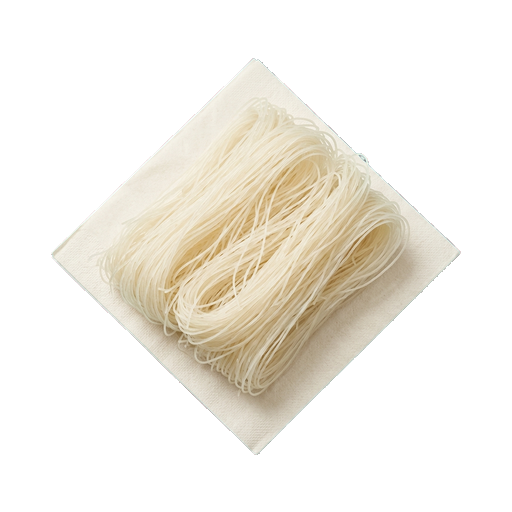
Rice vermicelli
Thin rice noodles are delicate pasta made from rice flour that cooks in just minutes and is perfect for Asian soups, salads, and stir-fry dishes. The noodles have a neutral flavor and smooth texture, which allows them to absorb sauces and aromas of other ingredients well. When choosing, pay attention to the integrity of the noodles in the package, and during cooking, don't leave them in water too long to prevent them from becoming mushy.
About
Thin rice noodles are one of the most versatile pasta ingredients in Asian cuisine. Their thin, almost transparent strands cook in just minutes and absorb the flavors of surrounding sauces like a sponge. Thanks to their neutral taste and light texture, these noodles work equally well in hot soups, cold salads, and stir-fried dishes.
How to cook and when to use
The main rule: don't overcook. Thin rice noodles cook in boiling water for only 4–6 minutes, sometimes even less. Check the doneness by taste — they should remain slightly firm, not turn into mush. If you plan to use the noodles in cold dishes, slightly undercook them, then cool under cold water and toss with a drop of oil so the strands don't stick together.
In hot dishes, thin rice noodles shine in light broths and spicy soups — they quickly absorb flavor without becoming heavy. In stir-frying (wok or pan), they are often added at the very end so they heat through and become coated with sauce. For cold salads and summer appetizers, they are the ideal base: they hold their shape, pair well with vegetables, herbs, and light dressings.
What goes well with it
Rice noodles are a compromise partner that doesn't compete with the flavor of main ingredients. They work equally well with spicy Asian sauces (based on chili, fish sauce, and lime), creamy coconut broths, light buttery dressings, and even classic European sauces based on tomatoes or cream.
- Vegetables: carrot, cucumber, bell pepper, radish, herbs (cilantro, mint, basil)
- Proteins: shrimp, chicken, beef, tofu, egg
- Flavourings: garlic, ginger, lime, fish sauce, soy sauce
- Fats: coconut milk, peanut butter, sesame oil
Selection and Storage
When buying, pay attention to the packaging: the noodles should be whole, without crumbs or moisture. Good rice noodles contain only rice and water, sometimes starch — that's all. Store dried noodles in an airtight container or in the original packaging in a cool, dry place, and they will keep for months without any problems. Cooked noodles are best used on the day of preparation, but in the refrigerator they will keep for a couple of days if stored separately from the sauce.
Thin rice noodles are not just a side dish, but a canvas for flavors. Their delicacy and quick cooking time make them an ideal choice for weeknight dinners when you need something delicious on the table in 15 minutes.
Nutrition
per 100 g
- Calories
- 364 kcal
- Protein
- 6.8 g
- Fat
- 0.5 g
- Carbs
- 80.1 g
Measures and weight
- 1 tbsp
- 4.5 g
- 1 tsp
- 1.5 g
- 1 cup
- 75 g
Measure calculator
- Weight
- 100 g
- Calories
- 364 kcal