Usuba
Usuba
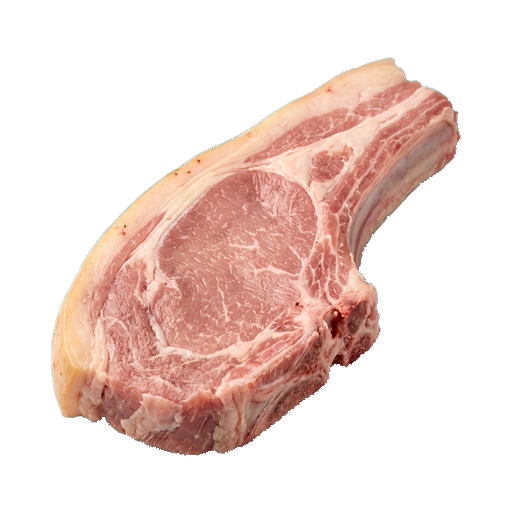
Lamb Cutlets
A tender cut from the lamb carcass with a thin layer of meat and fat, located along the rib cage. Distinguished by its tender texture and delicate flavor, it is ideal for quick preparation on a grill or pan with minimal processing. When selecting, pay attention to the color of the meat — it should be light pink, and the fat should be white or creamy, which indicates the quality and freshness of the product.
About
Lamb's thin edge is a tender cut from the rib section of the carcass, where the meat remains soft and juicy thanks to a thin layer of fat. It's not the most well-known cut at the butcher's counter, but it holds the perfect balance between flavor and ease of preparation. If you're tired of standard chops and kebabs, thin edge will become your secret weapon in the kitchen.
Taste and texture
The meat here is tender, with a delicate lamb aroma, but without the harshness that often intimidates beginners. The fibers are fine and well-saturated with fat, so with proper handling, the piece doesn't dry out and doesn't become tough. The meat's flavor opens up completely — rich, but not intrusive.
How to cook
Thin edge responds well to quick cooking: frying in a hot skillet, grilling, or high-temperature oven. The key is not to overcook. The meat cooks quickly, reaching the perfect doneness in 10–15 minutes. If you prefer slow braising, cut the edge into larger pieces and let it open up in the sauce.
- In a pan with salt, pepper and fresh herbs — a classic and quick method
- On the grill or in the oven — the meat gets a beautiful crust and remains juicy inside
- In a marinade with lemon, garlic and olive oil — before frying or baking
- In a stew or pilaf — meat cut into pieces absorbs the flavors of neighboring ingredients well
What goes well with
Lamb ribs pair beautifully with bold flavors: rosemary and thyme enhance its aroma, lemon and pomegranate add freshness, and hot pepper creates contrast. Vegetables — eggplant, tomatoes, sweet pepper — become ideal companions. Parsley or cilantro garnish completes the dish, while yogurt-based sauces soften the intensity of the meat.
Selection and Storage
Look for meat with a bright pink or red color — this is a sign of freshness. The fat should be white or creamy, without any yellowish tint. The smell should be pleasant, meaty, without any off-odors. If you're buying vacuum-packed meat, check the package seal for integrity.
In the refrigerator, thin-cut meat keeps for 3–4 days in the coldest part. If you plan to cook later, freeze it — at minus 18 degrees, meat stays in good condition for up to three months. Before cooking, let it thaw in the refrigerator, not at room temperature.
Little tricks
- Remove meat from the refrigerator 20–30 minutes before cooking — it will cook more evenly
- Don't salt in advance if frying in a pan — salt will draw out the juice. Salt right before frying or an hour before
- After cooking, let the meat rest for 5–10 minutes under foil — the juice will distribute more evenly
- Cut against the grain — this way pieces will be more tender when chewing
Nutrition
per 100 g
- Calories
- 203 kcal
- Protein
- 17.1 g
- Fat
- 15.1 g
- Carbs
- 0 g
Measure calculator
- Weight
- 100 g
- Calories
- 203 kcal