Usuba
Usuba
Truffles
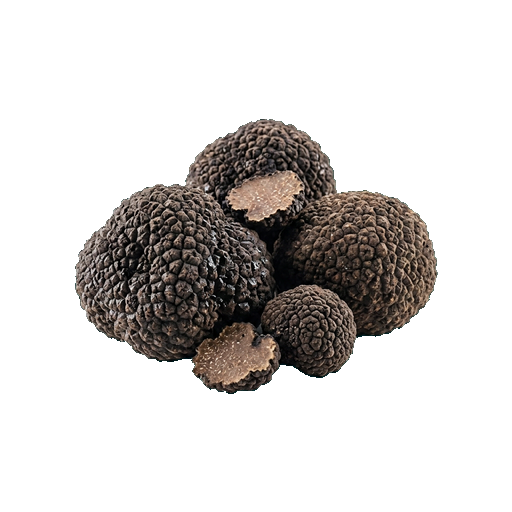
Truffles are underground fungi with dense flesh and a characteristic intense aroma that varies depending on the species. Black truffles have an earthy, slightly nutty smell, while white truffles have a more piquant, garlic-like aroma with hints of nutmeg. In cooking, they are used in small quantities to flavor oils, pastes, sauces, and finished dishes, as the aroma weakens with heat, which is why truffles are often added at the end of cooking or served raw. When choosing, look for firm fungi without soft spots, and when storing, keep them in the refrigerator wrapped in paper so they don't absorb excess moisture.
About
Truffles are fungi that grow underground and are renowned for their intense aroma and rarity. In culinary arts, they are considered a delicacy capable of transforming any dish. The main characteristic is that truffles work in minimal quantities: only a thin shaving or a few grams are needed to feel their influence on the taste and smell of the finished dish.
Aroma and Taste
Black truffles smell of earth, mushrooms and have light notes of cocoa. White truffles are more aromatic and sharper — their scent has garlic and musky undertones. The taste of both types is deep and nutty, with a slight bitterness. The aroma is volatile, so truffles open up best in warmth — in hot dishes or if the product is kept in a closed container.
Where and how to use
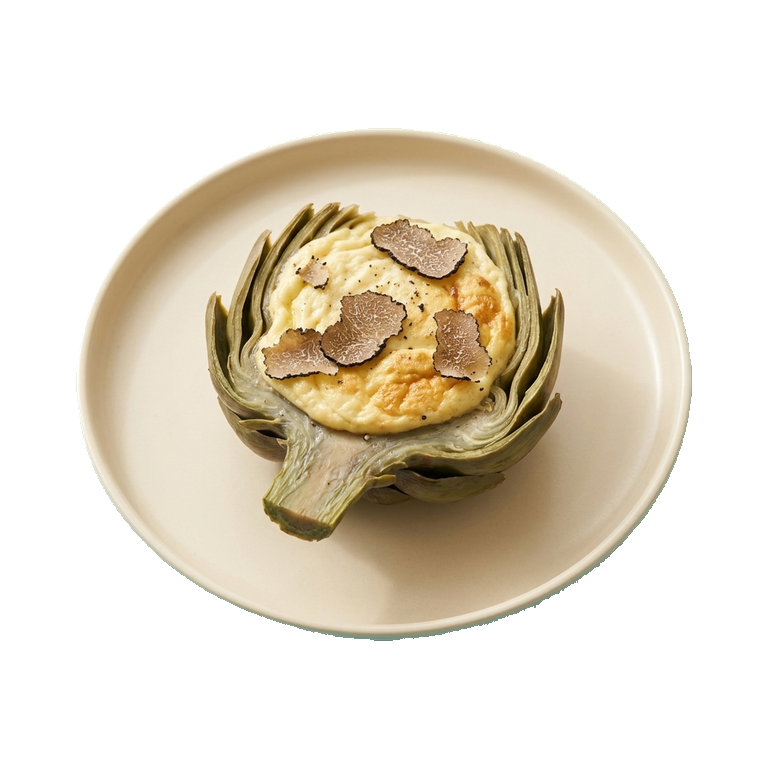
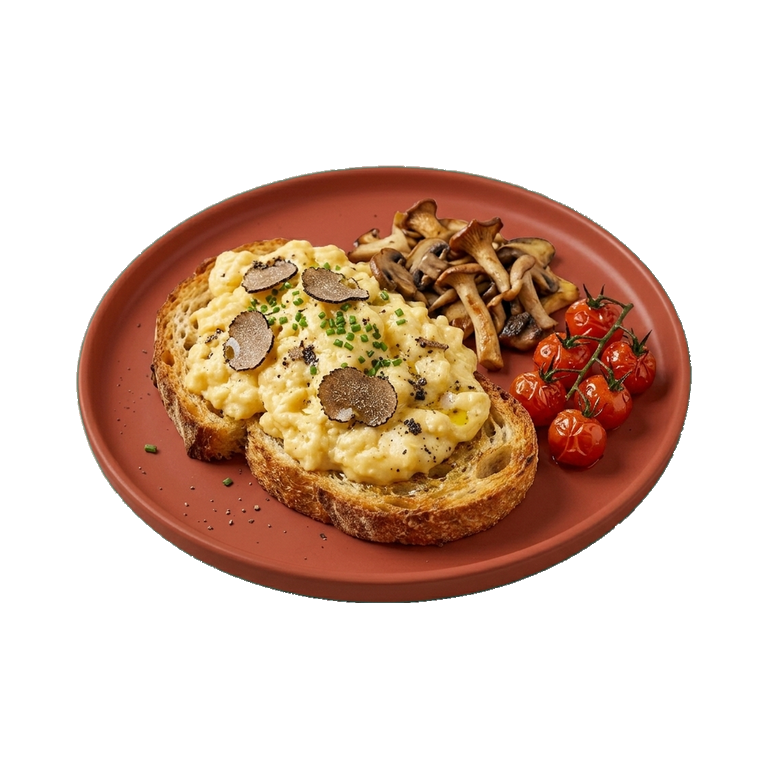
Truffles are added at the final moment of cooking or right before serving. Thin shavings garnish pasta, risotto, cream soups, omelets, and salads. Black truffles pair well with meat, mushroom dishes, and potatoes. White truffles are preferred with soft cheeses, eggs, and light pasta. Truffle oil and truffle-flavored oil are more affordable alternatives for everyday cooking.
Food Pairings
- Pasta with butter, garlic and truffle — a classic combination where the mushroom becomes the main character
- Cream soup made from mushrooms or potatoes — truffle enhances the mushroom background
- Risotto with white wine and parmesan — truffle shavings are added at the end
- Omelet or fried eggs — truffle works well with the soft texture of eggs
- Meat (beef, duck) — thin slices under truffle oil or sauce
- Cheese and appetizers — white truffles are grated over soft cheese or polenta
Selection and Storage
Fresh truffles should be firm, without soft spots or mold. The aroma should be pronounced and pleasant. Buy truffles from trusted sources, as quality greatly affects the price and result. Fresh mushrooms are stored in the refrigerator in paper or rice (rice absorbs moisture and enhances the aroma) for no more than a week. Frozen truffles lose some of their aroma, but remain useful for oils and pastes.
Practical Tips
- Use a special knife or thin grater to slice truffle shavings — this way the truffle is better distributed throughout the dish
- Add truffle at the very last moment or to an already prepared dish to preserve the aroma
- If fresh truffles are not available, truffle oil will give a similar effect at lower cost
- Don't overcomplicate the dish — truffle works well with simple, quality ingredients
- Remember that truffle aroma is subjective: some people like the earthy smell, others find it pungent
Truffles are not a necessary ingredient in the kitchen, but if you decide to use them, choose a quality product and add it consciously. Even a small amount is capable of creating a festive mood in a simple dish.
Nutrition
per 100 g
- Calories
- 65 kcal
- Protein
- 3 g
- Fat
- 0.5 g
- Carbs
- 13.5 g
Measures and weight
- 1 pcs
- 15 g
Measure calculator
- Weight
- 100 g
- Calories
- 65 kcal