Usuba
Usuba
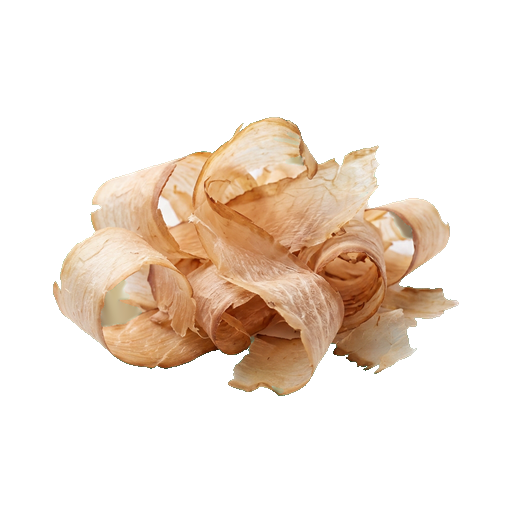
Tuna flakes
Tuna flakes are thinly sliced or pressed tuna meat used primarily in Japanese cuisine. It has a rich fish flavor with a subtle sweetness and adds depth and umami to dishes. It is used in sushi, rice bowls, salads, and as a topping for hot dishes, where it slightly curls under the heat. When choosing, pay attention to the color — quality flakes should be bright red or dark brown. Storage requires refrigeration and airtight packaging.
About
Tuna flakes are a ready-to-eat product made from canned tuna, packaged in convenient portions. It consists of thin meat flakes that have already been processed and are ready to be added to dishes. It is not just canned tuna in a jar, but a specially prepared ingredient that saves time in the kitchen and allows you to quickly create complete meals.
Taste and Texture
Tuna flakes have a pronounced sea flavor — salty, with a slight bitterness characteristic of canned fish. The texture is soft and crumbly, with flakes that easily break apart when mixed with other ingredients. This quality makes it ideal for dishes that require a uniform consistency — pâtés, salads, and fillings.
It is important to remember that shavings often contain added oil or their own juice. If you need a dry texture, it makes sense to lightly squeeze the package before use. This will rid the dish of excess liquid and give you more control over the consistency.
Where to use
Tuna flakes are a versatile ingredient for quick lunches and light dinners. They are added to salads to make them more satisfying and protein-rich. They work well for sandwiches and canapés, where they serve as the main filling. They work great in pastas, rice bowls, and sushi rolls.
- Salads with vegetables and herbs — shredded form requires no prior preparation
- Cream soups and pureed soups — added at the end of cooking to preserve texture
- Pie and pancake fillings — holds shape well and doesn't fall apart
- Pasta with tomato sauce — shredded form absorbs sauce flavor and doesn't fall apart when stirred
- Rice bowls and Buddha bowls — easily combines with grains and vegetables
Combinations and Pairings
Tuna flakes work well with acidity — lemon juice, vinegar, tomatoes. These components refresh the seafood flavor and make the dish lighter. Vegetables — cucumber, tomato, avocado, radish — add freshness and textural contrast.
Piquant additions like black pepper, cayenne pepper, or hot sauce emphasize the depth of flavor. Herbs — dill, parsley, coriander — don't overpower the fish, but complement it. With creamy sauces and mayonnaise, the flakes work more gently, creating a creamy base for sandwiches and pastas.
Selection and Storage
When making a purchase, pay attention to the packaging — it should be intact, without dents or damage. Check the ingredients: it's better to choose flakes with a minimal number of additives, where the main ingredient is tuna and oil. Some manufacturers add soy or other preservatives — this is a matter of personal preference.
Store unopened packages in a dry place at room temperature. After opening, transfer the shavings to a glass container with a lid and refrigerate — this way they will keep for 2–3 days. Freezing the shavings is not recommended: during thawing, they will lose their texture and become soggy.
If you are cooking a dish with a large amount of liquid, add the shavings at the last moment — this way it won't become soggy and will retain a pleasant crumbly texture.
Nutrition
per 100 g
- Calories
- 144 kcal
- Protein
- 29.9 g
- Fat
- 1.3 g
- Carbs
- 0 g
Measure calculator
- Weight
- 100 g
- Calories
- 144 kcal