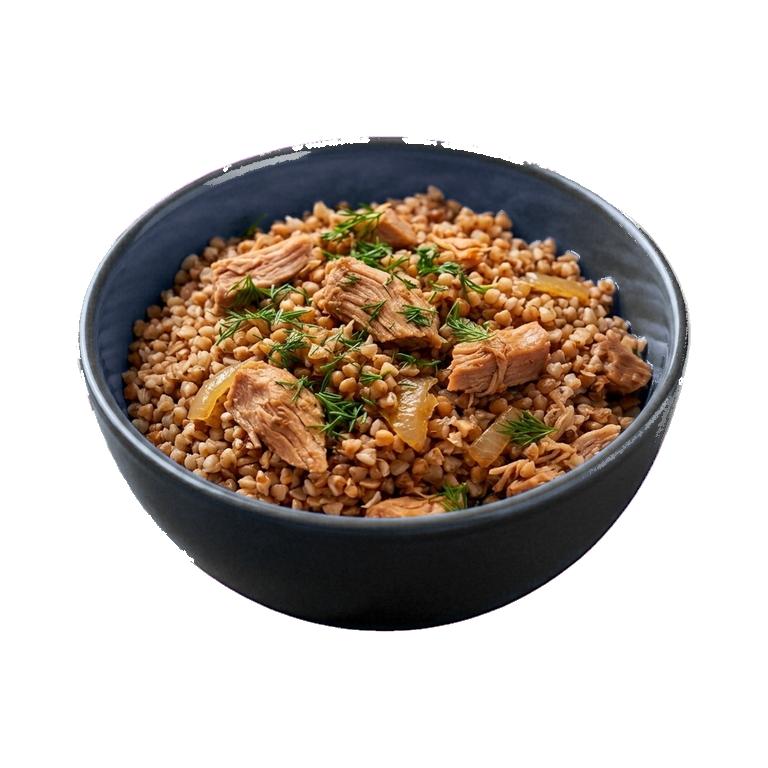
Usuba
Usuba
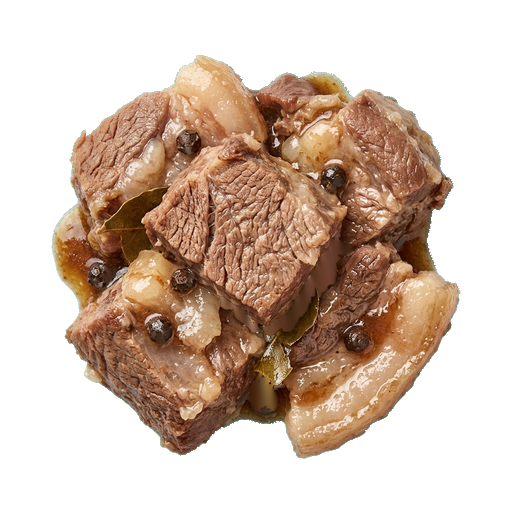
Canned stewed meat
Canned meat prepared through long stewing in its own juices with the addition of salt and spices. It has a soft, easily crumbled texture and a rich meat flavor with a slight saltiness. Used in soups, stews, pastas, pies, and as a standalone dish, saving cooking time; when choosing, pay attention to the ingredients — quality canned meat contains only meat, fat, salt, and spices without starch and soy.
About
Tushonka is meat cooked in its own juice with minimal spices and hermetically sealed in cans. This simplicity of preservation makes it a reliable kitchen helper: from field conditions to an urban apartment. Open a can — and you already have ready-made protein that can be used in many dishes or eaten as is.
Taste and Texture
The taste of canned stew depends on the quality of the original meat and storage time. Good canned stew has a rich, meaty flavor and a soft, almost melting texture. The fat in the composition is not a drawback, but part of the preservation process that protects the meat from oxidation and adds richness to dishes. The consistency can be either homogeneous or with visible meat fibers, depending on the variety.
How to use in dishes
- Borscht, cabbage soup and other soups — canned meat provides a deep meaty base and saves time on cooking broth
- Pasta and pasta side dishes — mix with tomato paste, onion and spices for a quick sauce
- Pies and pastries — filling that doesn't require pre-cooking
- Mashed potatoes and casseroles — a layer of canned meat between vegetables adds satiety
- Salads — cold canned meat works well as part of complex appetizers with vegetables and herbs
- Omelets and egg dishes — meat cubes make breakfast more nutritious
Selection and Storage
When purchasing, check the release date and expiration date — quality canned meat lasts several years. The can should be free of dents, rust, and swelling. The composition is usually minimalist: meat, salt, spices. The shorter the ingredient list, the better. After opening, transfer the remainder to a glass or plastic container and store in the refrigerator — usually no more than 2–3 days.
Practical Tips
- If the canned meat seems too fatty, slightly drain the excess fat before using or use it as a base for gravy
- For soups and stews, it's enough to break up the meat with a fork right in the pot — no additional processing is required
- Combine different types of canned meat: beef, pork, chicken — each brings its own character to the dish
- Canned meat works well in cold appetizers if pre-chilled and cut into cubes
Canned meat is not just an emergency supply, but a full-fledged ingredient that helps you cook quickly and deliciously. It saves you in a rush, enriches simple dishes, and lets you forget about cooking time. Keep a few cans on hand, and you'll always find something to cook.
Nutrition
per 100 g
- Calories
- 213 kcal
- Protein
- 15 g
- Fat
- 17 g
- Carbs
- 0 g
Measure calculator
- Weight
- 100 g
- Calories
- 213 kcal