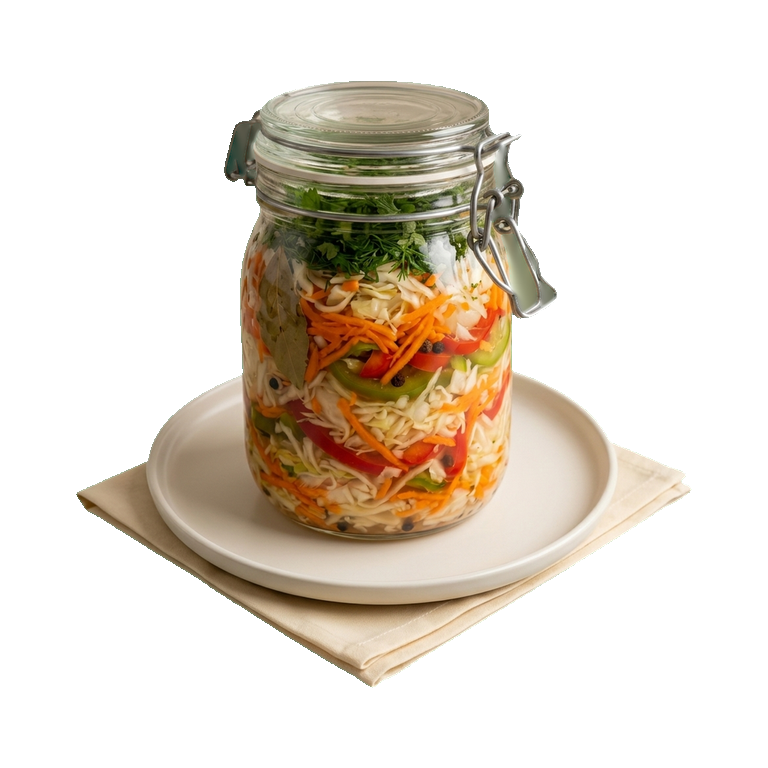
Usuba
Usuba
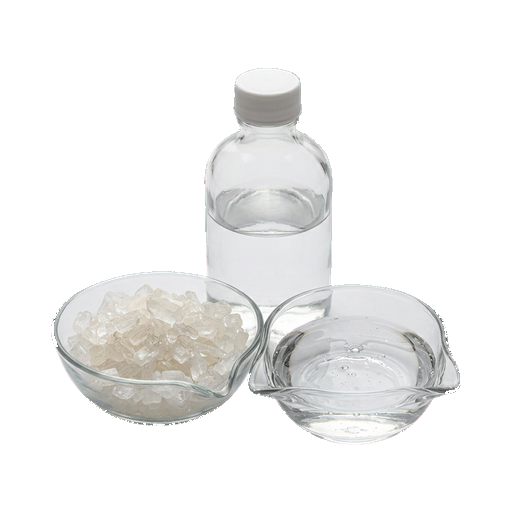
Acetic acid
Acetic acid is the active component of vinegar that gives it a sharp, tangy taste and distinctive smell. In cooking, it is used as a preservative, marinade, and flavor additive to enhance the acidity of dishes, marinades, and sauces. When substituting regular vinegar with concentrated acid, it must be significantly diluted with water, as it is much more intense and can spoil a dish.
About
Acetic acid is not just a preservative, but an active helper in the kitchen that works on the taste and texture of a dish. In cooking, it is found in the form of table vinegar (usually 3–9% concentration), food essence (25–70%), and as part of natural vinegars from various raw material sources. The main thing to know: this substance changes the structure of products, emphasizes aromas, and balances sweetness and saltiness.
Taste and aroma
Sharp, piercing acidity is the first impression. But behind the sharpness lies complexity: natural vinegars reveal fruity notes, subtle sweetness, sometimes smokiness or spice. Distilled vinegar is more straightforward, while apple or wine vinegar adds depth to a dish. The smell is strong and penetrating, but when heated, the volatility of the acid decreases, and the sharpness softens.
Role in dishes
- Preservative: slows down the growth of microbes in marinades, pickles and preserves
- Denaturant: accelerates protein coagulation, helps prepare ceviche, marinated fish, meat
- Flavor enhancer: brings out natural aromas of vegetables, fruits, spices
- Texture regulator: makes vegetables crispy in marinades, prevents softening
- Neutralizer: neutralizes bitterness, softens overly sweet sauces and desserts
Combinations and Proportions
Acetic acid works well with honey, mustard, and oil in dressings — acid and fat create harmony. With garlic, ginger, and hot pepper, it forms a classic marinade base. In sweet dishes, just a few drops change perception: caramel becomes more interesting, berry compote becomes livelier. The main rule: start small, taste, and add gradually. It's easier to overdo it than to fix it.
Selection and Storage
- For marinades and preservation: table vinegar 6–9% or special canning vinegar
- For dressings and sauces: wine, apple, or rice vinegar — they are more delicate
- For intensive texture effect: food essence (dilute with water before use)
- Storage: airtight bottle in a dark cool place, away from sunlight. Shelf life — unlimited, the acid preserves itself
Remember: acetic acid evaporates when heated. If you add it to a hot dish, it will give sharpness, but won't remain in full measure. For fresh dressings and marinades, add at the end or in cold form.
Nutrition
per 100 ml
- Calories
- 18 kcal
- Protein
- 0 g
- Fat
- 0 g
- Carbs
- 0.9 g
Measures and weight
- 1 tbsp
- 15.8 g
- 1 tsp
- 5.3 g
- 1 cup
- 262.5 g
Measure calculator
- Weight
- 100 g
- Calories
- 17 kcal