Usuba
Usuba
Duck, ground
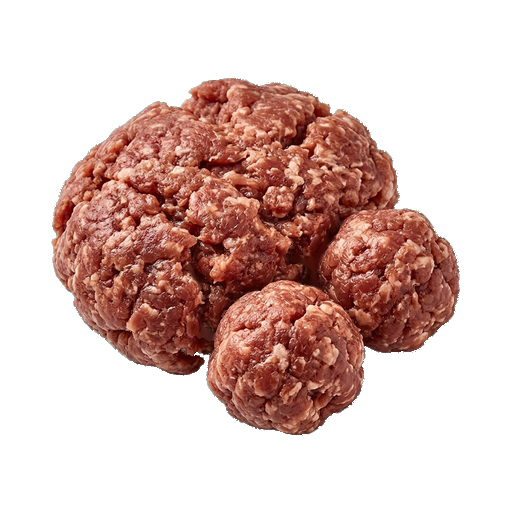
Duck mince is made from domestic or wild duck meat ground together with fat and connective tissue. It has a more rich, slightly gamey flavor compared to chicken mince and contains more fat, which makes dishes juicier and more aromatic. It is used for cutlets, pâtés, fillings for dumplings, and Asian dishes. When purchasing, it is important to check freshness and ensure the fat is not rancid to avoid bitterness in the finished dish.
About
Duck mince is a dark, rich meat with a pronounced flavor and dense texture. Unlike chicken, it contains more fat, which makes finished dishes juicier and more aromatic. Working with it requires confidence: the correct cooking temperature and processing time determine everything.
Aroma and taste
Duck mince has a deep, slightly 'gamey' flavor that is easy to recognize. It does not require masking — on the contrary, you should emphasize its unique characteristics rather than overpower it with spices. The fattiness of the meat gives dishes a creamy texture and a lingering aftertaste. The smell of fresh mince is clean, without any foreign impurities; if an unpleasant odor is detected, it is better not to use the product.
Role in dishes and pairings
Duck mince is ideal for meatballs, cutlets, and pâtés — anywhere you need juiciness and distinctive flavor. It works well in fillings for dumplings and pies. Due to its high fat content, the mince doesn't require adding butter when frying; it's enough to heat the pan and place the meat in it.
- Sour sauces (with orange, red wine, vinegar) balance out the richness well
- Herbs (thyme, rosemary, juniper) emphasize the gamey character
- Hot spices (black pepper, ginger, chili) add contrast
- Vegetables (mushrooms, onion, carrots) dilute the density of the meat
Selection and Storage
When purchasing, pay attention to the color — good duck meat has a dark red hue, without gray or brown spots. The surface should be moist, but not wet. If the meat was bought in vacuum packaging, check the integrity and production date. Fresh meat should be stored in the refrigerator for no more than two days; for long-term storage, it is better to freeze it.
- In the refrigerator (0–4°C): up to 2 days in an airtight container
- In the freezer (–18°C): up to 3 months in a tight container or sealed package
- Thaw in the refrigerator overnight, not at room temperature
Duck mince demands respect for its character. Don't rush the cooking process — give it time to reveal itself in the right sauce or side dish. The meat holds its shape well, so it's easy to mold into cutlets and meatballs without adding starch or eggs (though they won't hurt). Cook with pleasure and don't be afraid to experiment with sour and spicy components.
Nutrition
per 100 g
- Calories
- 260 kcal
- Protein
- 16 g
- Fat
- 22 g
- Carbs
- 0 g
Measure calculator
- Weight
- 100 g
- Calories
- 260 kcal