Usuba
Usuba
Duck fat
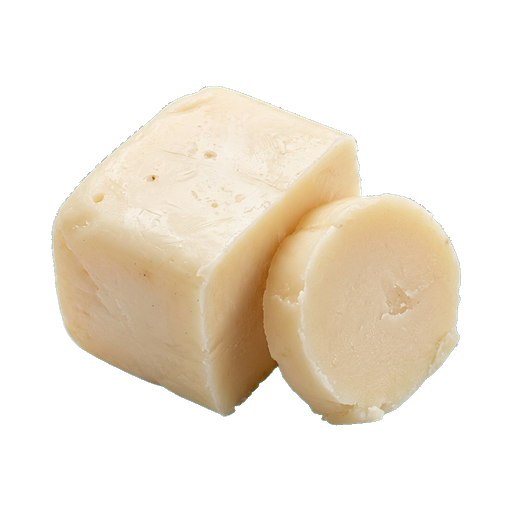
Duck fat is rendered fat from the subcutaneous layer and organs of a duck, characterized by a rich, slightly meaty aroma and a neutral taste with a barely perceptible piquancy. It is ideal for frying potatoes, vegetables, and meat, as it has a high smoke point and imparts a distinctive yet unobtrusive flavor to dishes. When selecting, look for pure, light-colored fat with no off-odors; store in the refrigerator in an airtight container, as it readily absorbs foreign aromas.
About
Duck fat is one of the most valuable ingredients in the kitchen, often overshadowed by more popular oils. It's not just rendered animal fat, but a fully functional culinary tool with its own character. Thanks to its high smoke point and rich flavor, it becomes indispensable for those who take cooking seriously.
Aroma and taste
Duck fat has a deep, meaty aroma with a subtle piquancy. The taste is not aggressive, but distinct — it doesn't mask itself, but complements the dish with its own individuality. When you heat the fat, the aroma becomes even more expressive, filling the kitchen with the cozy smell of food being prepared. This is important to keep in mind: if you're cooking a delicate dish with tender ingredients, duck fat may overpower their flavor.
Role in dishes
The main strength of duck fat lies in frying. It is ideal for potatoes, vegetables, meat, and poultry. Thanks to its high smoke point (around 190°C), the fat does not break down during intense heat treatment, which guarantees a crispy crust and even cooking. Potatoes fried in duck fat acquire a golden color and an exceptionally appetizing taste.
Combinations and Recipes
- Fried potatoes with herbs — a classic combination where fat reveals its full potential
- Duck confit — slow stewing of meat in its own fat, where fat becomes the basis of the technique
- Vegetables as a side dish — carrots, parsnips, beets gain depth of flavor and appetizing caramelization
- Croutons and bread — fat is perfect for frying bread cubes for salads
- Sauces — a small amount of fat adds roundness and richness of flavor
Selection and Storage
Look for duck fat as a clear or slightly cloudy rendered product. The color can vary from light yellow to a richer shade, depending on the preparation method — this is normal. Quality fat should not have an unpleasant smell or rancid taste. Check the packaging for the production date and storage conditions.
Duck fat is stored for a long time thanks to its nature. In an airtight container at room temperature, it maintains quality for several months, in the refrigerator — up to six months, in the freezer — about a year. The main thing is to protect the fat from light and moisture. If you use fat often, keep a small portion in your kitchen cabinet and store the rest in a cool place. Rendered fat does not require special conditions like butter, but it also does not like sharp temperature fluctuations.
Duck fat is an investment in cooking quality. Once you try potatoes fried in it, you'll understand why classical cuisine cannot do without this ingredient. You don't need to use it for everything, but for special dishes and holiday dinners, it's simply a treasure.
Nutrition
per 100 g
- Calories
- 898 kcal
- Protein
- 0 g
- Fat
- 99.8 g
- Carbs
- 0 g
Measures and weight
- 1 tbsp
- 13.8 g
- 1 tsp
- 4.6 g
- 1 cup
- 230 g
Measure calculator
- Weight
- 100 g
- Calories
- 898 kcal