Usuba
Usuba
Veal shank
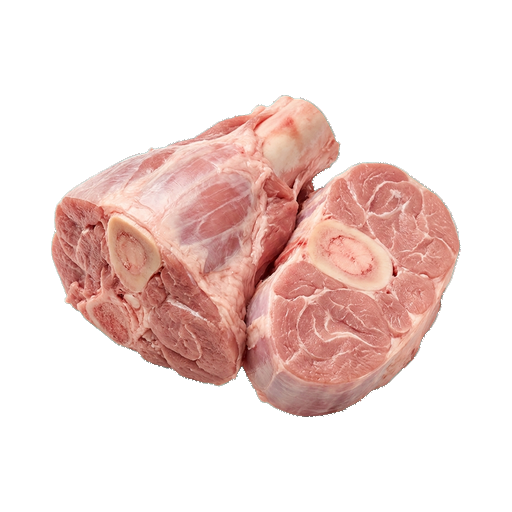
Veal shank is the lower part of the front or hind leg of a young animal with bone, muscles, and connective tissue. The meat is tender and lean, releasing plenty of gelatin during long cooking, making it ideal for broths, stews, and braised dishes. When selecting, pay attention to the color of the meat — it should be light pink, and the bone — white or slightly creamy.
About
Veal shank is a part of the front or hind leg of a young animal, which becomes a real find for those who love cooking rich broths, tender stews, and aspics. The meat here is interwoven with bone, cartilage, and connective tissue, which during prolonged heat treatment transform into gelatin and give the dish depth of flavor and a velvety consistency.
Tenderness and richness
Veal is distinguished by a delicate, subtle flavor — not as bold as beef, but more expressive than chicken. The shank contains enough fat to make the dish juicy, but not excessively fatty. The bone and cartilage release collagen during cooking, which makes the sauce thick and coating, and the meat itself becomes so tender that it falls apart at the slightest touch.
Where to use it
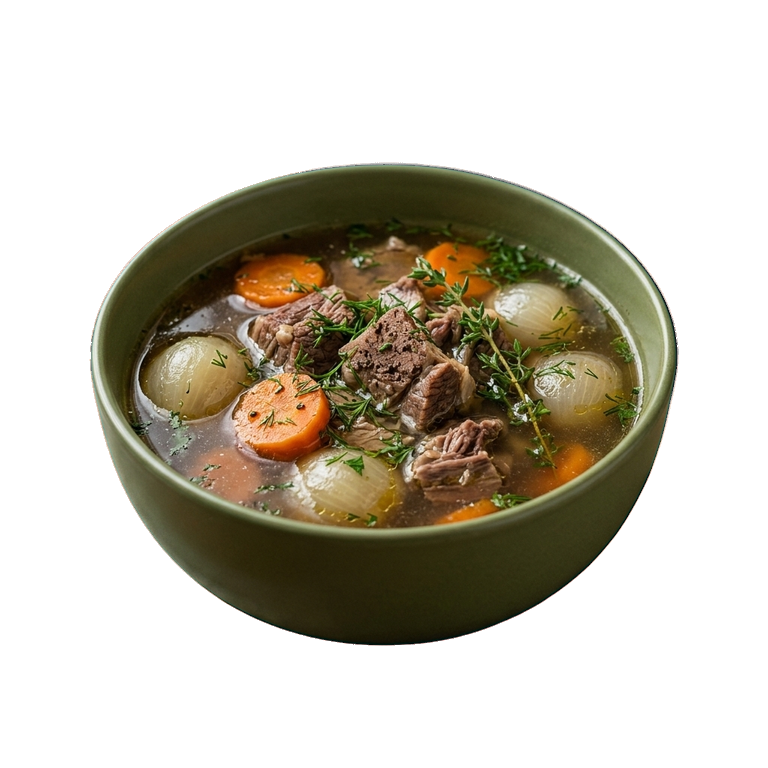
Veal shank requires time, but rewards you handsomely. Its main role is in slow braising and cooking. It is the ideal choice for classic osso buco, when a piece of shank with bone simmers in tomato sauce for several hours. It is used to make clear, aromatic broths for soups and sauces. Shank is perfect for making aspic — when the broth cools, it sets into a delicate, almost transparent gelatin.
- Stews and braised dishes — minimum 2–3 hours on medium heat
- Broth and soups — 3–4 hours of cooking for maximum richness
- Aspic and jellied meat — shank simmers for a long time, then the broth is cooled
- Ground meat and pâtés — boiled shank is easily minced
How to Choose and Store
Pay attention to the color of the meat — it should be pink or light red, without gray spots. The bone should be white or slightly creamy, without dark marks. The smell should be fresh, meaty, without any sourness. A shank with a clearly visible bone and meat that fits snugly against it is a sign of a quality cut.
In the refrigerator at a temperature of 0–4 degrees, lamb shank is stored for 3–4 days in an open form on a plate covered with parchment paper, or in an airtight container. If you plan to use it later, freeze it — in the freezer it maintains quality for up to 3 months. Before cooking, let it thaw in the refrigerator; this will take 12–24 hours depending on the size.
Practical Tips
- Blanch the shank with boiling water and scrape off the scum before cooking — this will make the broth clearer
- Simmer over low heat without a lid — vigorous boiling breaks down gelatin and clouds the broth
- Add vegetables (carrots, celery, onion) in the second half of cooking so they don't overcook
- If you buy a shank with skin, you can leave it on — it will add flavor and help the broth thicken
Veal shank is not a hasty ingredient, but an investment in deep, honest flavor. It requires patience, but the result is worth the wait: dishes turn out hearty, elegant, and memorable.
Nutrition
per 100 g
- Calories
- 130 kcal
- Protein
- 20 g
- Fat
- 5 g
- Carbs
- 0 g
Measure calculator
- Weight
- 100 g
- Calories
- 130 kcal