Usuba
Usuba
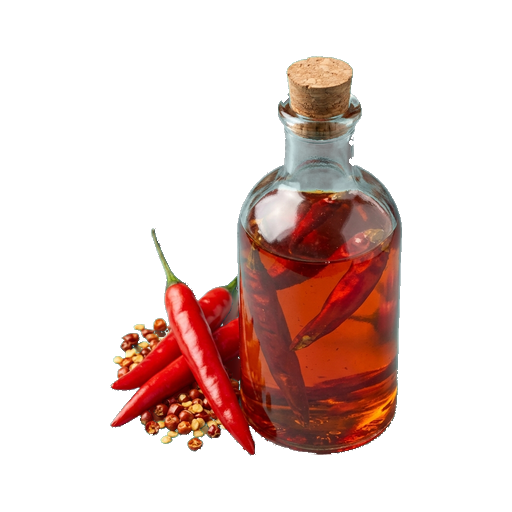
Vegetable oil with pepper
Aromatic oil infused with hot peppers that imparts a rich, fiery flavor and piquancy to dishes. Used for dressing salads, marinades, sauces, and finishing hot dishes — add at the end of cooking to preserve the heat and aroma. When choosing, pay attention to the intensity of the heat: the oil can range from mildly spicy to intensely hot, so add it gradually, starting with a small amount.
About
Vegetable oil infused with pepper is not just a seasoning, but a ready-made tool for quickly adding heat and depth of flavor. Such oil works equally well in hot dishes and cold appetizers, saving time on chopping and pressing pepper. The liquid base helps the heat distribute evenly, without creating sharp burning spots.
Aroma and taste
The heat level depends on the type of pepper and steeping time. Red chili pepper provides a bright, straightforward burn, while black pepper offers a milder heat with spicy notes. The oil absorbs the pepper's essential oils, so the aroma becomes concentrated and recognizable from a distance. The flavor is rich and complex — featuring both heat and a subtle peppery sweetness.
Where and how to use
- Final drizzle for soups, stews and braised vegetables — a drop or two just before serving gives a restaurant-quality appearance
- Base for marinades for meat or fish combined with lemon, garlic and herbs
- Dressing for salads made with tomatoes, cucumbers or leafy greens
- Dipping sauce for bread instead of regular butter with salt
- Coating for vegetables before grilling or roasting in the oven
Combinations and Dosage
Pepper oil works well with neutral flavors: white fish, chicken, potatoes, legumes. Its spiciness does not conflict with the acidity of lemon or vinegar; rather, it enhances them. It combines organically with garlic, ginger, and herbs (basil, oregano). Start with half a teaspoon per serving — the spiciness can be unexpected, especially if the oil has been infused for a long time.
Selection and Storage
When purchasing, pay attention to the color — the oil should be transparent with visible pepper pieces or at least a slight cloudiness. If it's completely light, it means there's minimal pepper in it. Check the production date: fresh oil is spicier, and over time the heat can become duller. Store in a cool, dark place, away from sunlight — the oil oxidizes quickly. In the refrigerator, the shelf life is longer, although the oil may thicken slightly.
If store-bought options seem expensive or not spicy enough, it's easy to make chili oil at home: fill a bottle with sliced fresh or dried peppers and neutral oil, then let it infuse for several days. This way you control the intensity and always have a fresh product on hand.
Nutrition
per 100 ml
- Calories
- 810 kcal
- Protein
- 0 g
- Fat
- 90 g
- Carbs
- 0 g
Measures and weight
- 1 tbsp
- 13.8 g
- 1 tsp
- 4.6 g
- 1 cup
- 230 g
Measure calculator
- Weight
- 100 g
- Calories
- 880 kcal