Usuba
Usuba
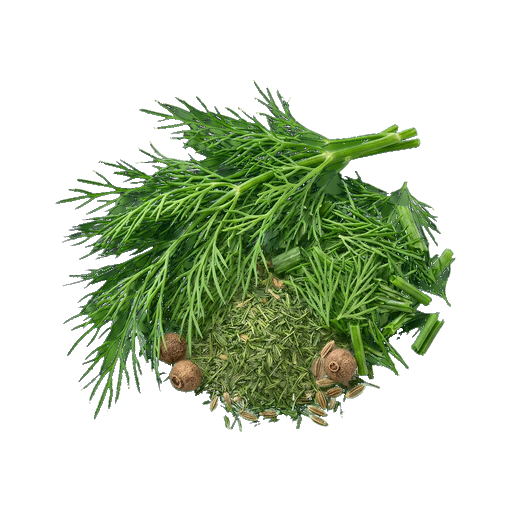
Vegetable seasoning
A versatile blend of dry spices specially developed to highlight the natural flavor of grilled, baked, or pan-fried vegetables. The blend typically includes dried herbs, garlic, salt, and sometimes spicy components that complement rather than overpower the vegetable dish. When selecting, pay attention to the freshness of the aroma and the absence of lumps — such a seasoning distributes more evenly and reveals its flavor better when heated.
About
What is it and how to use it
Vegetable seasoning is a ready-made blend of spices and herbs that saves time and guarantees delicious results. It contains dried herbs, salt, garlic, pepper, and other aromatic components carefully selected to enhance the natural flavor of any vegetables. This blend works as a universal kitchen helper: sprinkle it on tomatoes before frying, add it to vegetable stew, or use it when baking eggplants and zucchini.
The main advantage is that you don't have to think about proportions. Just open a jar, add a pinch or two, and your dish is already aromatic. This kind of seasoning is especially convenient when you're cooking in a hurry or want to avoid having extra jars of spices on your shelf. It doesn't overpower the taste of vegetables, but rather complements it, making the dish more expressive.
Where and how to use it
The seasoning is versatile and suitable for many cooking methods. Sprinkle it on vegetables before baking in the oven, add it to soup or borscht, use it when stewing carrots with celery. It works well in vegetable salads, especially warm ones, and doesn't lose its aroma even in cold dishes. Try adding a pinch to a marinade for preserving tomatoes or cucumbers — the taste will be more vibrant.
- Baked vegetables in the oven or on the grill
- Vegetable stews and braised dishes
- Soups and borscht
- Pickling marinades
- Vegetable salads (warm and cold)
- Breading for fried vegetables
How to Choose and Store
When choosing, pay attention to the composition: a good seasoning contains natural ingredients without flavor enhancers and unnecessary additives. Check the packaging date — a fresh blend smells more vibrant and works more effectively. Some options contain more salt, others — more herbs; choose depending on your preferences and dietary restrictions.
Store the spice in a tightly sealed container in a dark, cool, and dry place — away from direct sunlight and moisture. Under these conditions, the mixture retains its aroma and flavor for 6–12 months. If the jar is placed near the stove or above the sink, spices quickly lose their potency. Transfer the contents to a glass container with a hermetic lid if the original packaging is not very reliable.
Tips for best results
- Add the seasoning at the end of cooking or at the very beginning, depending on the method: when baking — at the beginning, to cold salads — at the end
- Start with a small amount and increase to taste — it's easier to add than to remove
- Combine with oil and vinegar for a fuller flavor disclosure
- If the composition contains a lot of salt, take this into account when salting the dish
Nutrition
per 100 g
- Calories
- 250 kcal
- Protein
- 10 g
- Fat
- 5 g
- Carbs
- 40 g
Measures and weight
- 1 tbsp
- 9 g
- 1 tsp
- 3 g
- 1 cup
- 150 g
Measure calculator
- Weight
- 100 g
- Calories
- 250 kcal