Usuba
Usuba
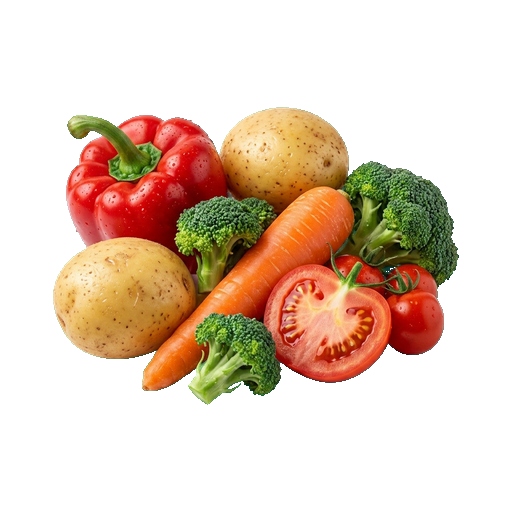
Vegetables
Vegetables are edible parts of herbaceous plants, including leaves, stems, roots, fruits, and seeds, which are used in cooking both raw and cooked. They are rich in vitamins, minerals, and fiber, making them the foundation of healthy eating and an integral part of most cuisines around the world. When selecting vegetables, it is important to pay attention to their freshness, firmness, and absence of damage, and when storing, to keep in mind that different types require different conditions — some are better kept in the refrigerator, while others are best stored at room temperature.
About
Vegetables are the foundation of any cuisine, regardless of style and traditions. They give dishes volume, texture, color, and most importantly, nutritional value. When you choose vegetables for cooking, you solve not only a taste problem but also determine how vibrant and fresh your dish will be. Each vegetable works in its own way: some hold their shape when fried, others melt in soup, and still others reveal their potential only in their raw form.
Taste and aroma depending on the season
Vegetable seasonality is not just a trend, but a physical reality. Tomatoes grown in summer under the sun concentrate sweetness and acidity quite differently than greenhouse winter ones. Cucumbers at the height of the season crunch and smell fresh, and carrots in autumn accumulate sugars and become sweeter. When you cook with seasonal vegetables, the dish practically cooks itself — you need fewer spices and seasonings because the flavor is already complete.
The smell of vegetables is an excellent indicator of their freshness and quality. Fresh cabbage smells clean, eggplant has a light herbal aroma, and pepper emits sweet notes. If a vegetable smells musty or moldy, it's a sign that it has started to spoil. Learn to trust your nose: it often suggests the right choice better than your eyes.
How vegetables work in different dishes
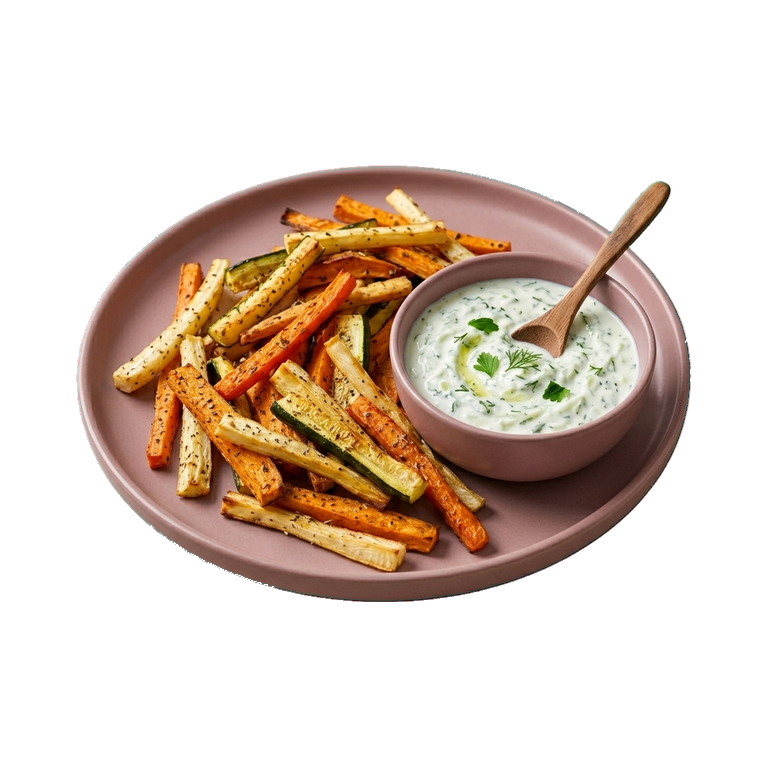
Each cooking method requires its own approach. For frying, you need vegetables with a dense structure — carrots, zucchini, eggplant — they won't fall apart in the pan. For soups and stews, vegetables that soften easily are suitable: potatoes, squash, tomatoes. On the grill, thick slices of pepper, halved tomatoes, and whole young vegetables work well. In salads, fresh, crispy vegetables with bright flavor work: radishes, cucumbers, tomatoes, carrots.
- Frying: zucchini, eggplant, bell pepper, carrot, potato
- Stewing and soups: potato, tomatoes, onion, carrot, zucchini
- Grilling: bell pepper, tomatoes, eggplant, zucchini, onion
- Raw salads: tomatoes, cucumbers, radish, carrot, cabbage
Selection and Storage
When choosing vegetables, look at the skin: it should be smooth, without dents or dark spots. Soft areas are a sign of beginning rot. The weight of the vegetable is also important: it should be heavier than it appears, which indicates juiciness and density. Don't be afraid to gently squeeze the vegetable with your fingers — it should be springy, not give way easily.
Storage depends on the type of vegetable. Tomatoes and cucumbers are best kept at room temperature — cold destroys their flavor. Carrots, beets, and potatoes are stored in a cool, dark place and keep for a long time. Greens and delicate vegetables require refrigeration, but not near fruits — they release ethylene, which accelerates ripening and spoilage. If vegetables begin to wilt, place them in cold water for an hour — they will regain their firmness.
Vegetables are not just an ingredient, they are the foundation of delicious food. The better you learn to select, prepare, and store them, the easier it will be to create dishes that you'll want to cook again and again.
Measure calculator
- Weight
- 100 g