Usuba
Usuba
Vermicelli
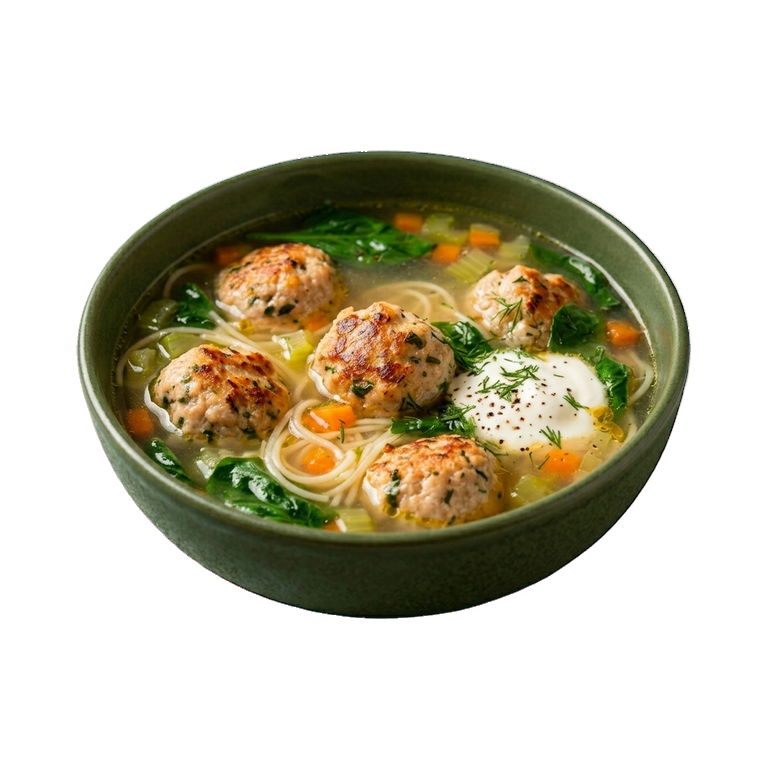
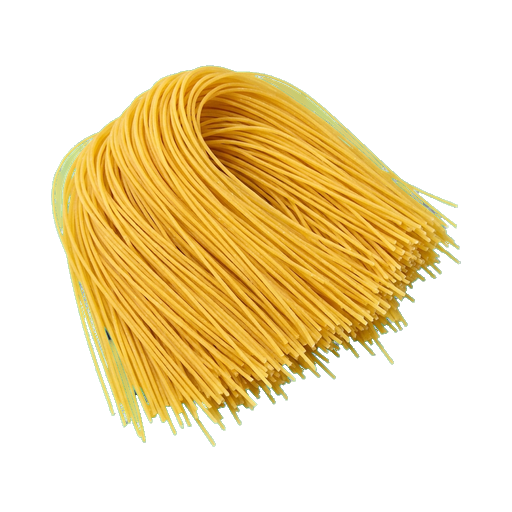
A thin, long pasta resembling hair that cooks quickly and absorbs sauces and broths. Vermicelli is used in soups, side dishes, and sweet dishes, and pairs well with butter, tomatoes, and spices. When choosing, pay attention to the ingredients — products made from durum wheat are preferable as they don't overcook and hold their shape.
About
Vermicelli is a thin, long pasta that occupies an intermediate position between spaghetti and angel hair pasta. Its diameter usually does not exceed 1–1.5 millimeters, which makes it ideal for quick cooking and absorbing sauces. In cooking, vermicelli is used both as a standalone dish and as a component of soups, casseroles, and side dishes.
Taste and Texture
Vermicelli has a neutral, slightly nutty flavor that doesn't dominate the dish but serves as a foundation for other ingredients. When cooked properly, it remains firm and slightly slippery on the tongue — this is the very sensation that Italians call al dente. Thin strands quickly absorb liquid and seasonings, which is why vermicelli works well with bright sauces and broths.
How to cook and use
Vermicelli cooks faster than all other types of pasta — usually 4–7 minutes depending on thickness and brand. It's important not to overcook: check doneness a couple of minutes before the time specified on the package. Drain the water through a colander, but leave a little starchy liquid if you plan to add sauce — it will help it adhere better.
- Add vermicelli to soups 3–5 minutes before the end of cooking to prevent it from becoming overcooked
- For casseroles, cook vermicelli until half-done, then mix with egg, cottage cheese or meat and bake
- Serve vermicelli as a side dish with meat or fish topped with butter, herbs and spices
- In sweet dishes (milk porridges, desserts) cook vermicelli in milk with added sugar and cinnamon
Pairings and Tips
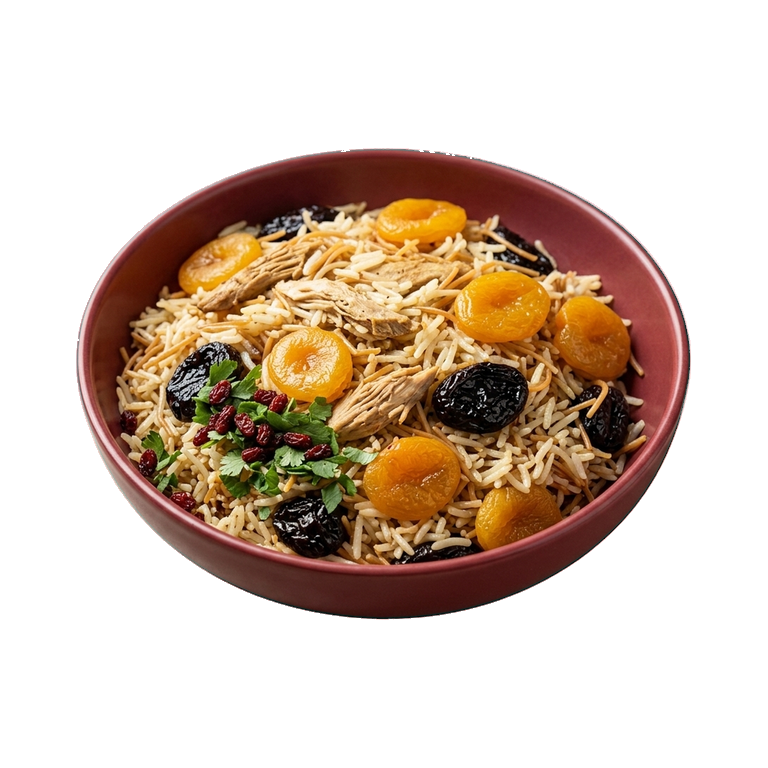
Vermicelli works well with tomato sauces, butter, garlic, and parmesan. Its delicate texture is particularly suitable for light dishes — with vegetables, seafood, and ground chicken. In Eastern cuisine, vermicelli is often fried in oil before cooking, which gives it a nutty aroma and makes the structure denser.
Selection and Storage
When choosing vermicelli, pay attention to the color — it should be uniform, light yellow or white, without spots or cracks. Check the production date and ingredients on the packaging: quality vermicelli contains only flour and water, without additives. Store it in a dry place at room temperature in an airtight container — this way it will retain its properties for up to a year.
The main secret of vermicelli is that it doesn't require complex preparation and generous sauce — even simple oil with salt and pepper turns it into a full-fledged dish.
Nutrition
per 100 g
- Calories
- 350 kcal
- Protein
- 12 g
- Fat
- 1.5 g
- Carbs
- 70 g
Measures and weight
- 1 tbsp
- 6.8 g
- 1 tsp
- 2.3 g
- 1 cup
- 112.5 g
Measure calculator
- Weight
- 100 g
- Calories
- 350 kcal