Usuba
Usuba
Vietnamese mint
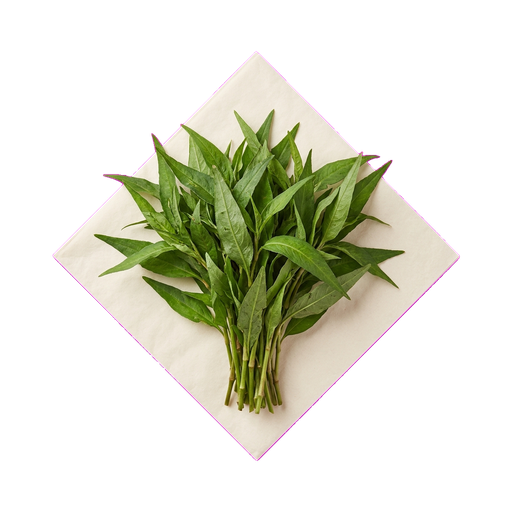
Vietnamese mint is a plant with narrow pointed leaves and a bright spicy-minty aroma with piquant notes of lemon and anise. In cooking, it is used fresh in Asian dishes, especially in Vietnamese salads, soups, and rolls, where it adds freshness and a subtle heat. When selecting, look for a plant with firm leaves without darkening, and store in the refrigerator, wrapped in damp cloth, to preserve the aroma and texture.
About
Vietnamese mint is not just another type of mint. Its leaves are narrow and pointed, with a reddish tint on the stems, and the aroma is much more intense than regular mint. When you crush a leaf between your fingers, you'll feel a sharp, almost peppery aroma with floral notes. It's this very sharpness that makes it special in the kitchen.
Taste and aroma
Vietnamese mint tastes sharp with spicy notes and a slight bitterness. It is not sweet like peppermint, and not as refreshing as spearmint. Its flavor is more like a mix of mint and black pepper with a floral undertone. A fresh leaf leaves a sensation of light tingling on the tongue — this is normal and is precisely what chefs value.
Where to use it
Vietnamese mint is ideal for Asian dishes, especially Vietnamese and Thai cuisine. It is added to salads with fish and seafood, included in summer rolls and vegetable dishes, and used as a garnish for soups and curries. The pungent character of the mint works well alongside spicy and sour flavors — lime, chili, fish sauce.
- Fresh Vietnamese salads and appetizers
- Summer rolls and spring rolls
- Soups and broths with seafood
- Spicy drinks and cocktails
- Side dish for fish dishes
How to Choose and Store
Look for bunches with bright, firm leaves without darkening or wilting. The stems should be sturdy with a reddish tint. Freshness is checked simply — crush a leaf and inhale: there should be a strong, spicy aroma. If the smell is weak or musty, the mint is already starting to lose quality.
Store Vietnamese mint like regular herbs: wrap it in a damp towel, place it in a container, and put it in the refrigerator. It will last 5–7 days this way. You can also place a bunch in a glass of water, cover it with a plastic bag, and refrigerate it — this method will extend the shelf life to 10 days. Freezing is not recommended: the mint will lose its structure and become watery when thawed.
Practical Tips
Add Vietnamese mint at the end of cooking — heat destroys its delicate, spicy aroma. If you're making a salad, tear the leaves by hand rather than cutting them with a knife: this preserves more flavor and aroma. With this mint, there's no need to be stingy — its pungency calls for a generous hand. If you're using it in hot dishes for the first time, add less than usual, then adjust to taste.
- Add in the last minute of cooking
- Tear the leaves by hand, do not chop
- Pairs well with lime, chili and fish sauce
- Use generously — this spice requires volume
Nutrition
per 100 g
- Calories
- 44 kcal
- Protein
- 3.3 g
- Fat
- 0.7 g
- Carbs
- 7.1 g
Measures and weight
- 1 tbsp
- 3 g
- 1 tsp
- 1 g
- 1 cup
- 50 g
- 1 bunch
- 50 g
Measure calculator
- Weight
- 100 g
- Calories
- 44 kcal