Usuba
Usuba
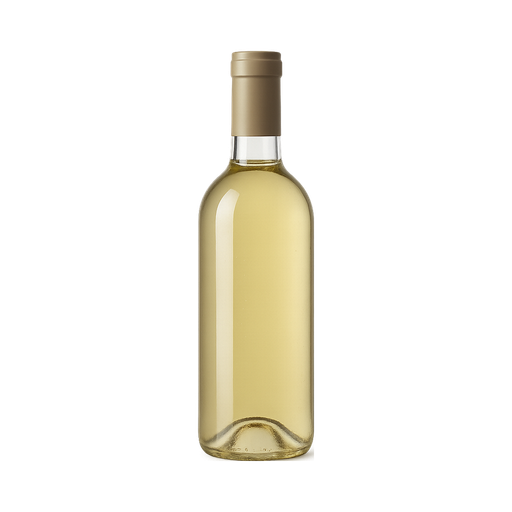
White semi-sweet wine
White semi-sweet wine contains residual sugar, which gives it a soft, pleasant taste with noticeable sweetness and at the same time fresh acidity. Such wines are versatile in cooking: they work well for deglazing sauces, marinating meat and fish, as well as for making desserts and compotes. When choosing, pay attention to acidity — it should be sufficient to balance the sweetness and prevent the dish from becoming cloying.
About
White semi-sweet wine is a versatile kitchen helper that works simultaneously as an ingredient and as a beverage. It contains enough sugar to give a dish softness and roundness, but is not so sweet as to overpower the main flavors. In cooking, such wine often becomes the default choice: it does not require lengthy selection for a recipe and rarely spoils the result.
Aroma and taste in cooking
When wine is heated on a pan or in a sauce, alcohol evaporates first, leaving behind fruity notes and subtle acidity. Semi-sweet wine gives the dish a pleasant fruity background — often hints of pear, apple, or peach. The remaining sugar caramelizes and creates depth that is difficult to achieve with salt and acidity alone.
Where to use it
- Sauces for fish and seafood — wine highlights the tenderness of the meat and doesn't overpower the delicate flavor
- Marinades for chicken or pork — semi-sweet wine tenderizes the meat and adds complexity to the taste
- Desserts and compotes — here the wine's sugar works to advantage, creating harmony with sweet ingredients
- Cream soups and bisques — a few spoonfuls of wine enhance creamy dishes, adding a subtle acidity
How to Choose and Store
For cooking, a mid-range wine is suitable — you don't need to buy an expensive one, but very budget options often have an unpleasant aftertaste. Check the residual sugar content on the label: it should be in the range of 12–45 grams per liter. After opening, wine is stored in the refrigerator for up to a week if you seal the cork tightly. If you cook rarely, buy small bottles — oxidized wine will spoil the dish.
Combinations with other ingredients
White semi-sweet wine pairs well with lemon and lime — acidity balances the sugar. It works with herbs like thyme, basil, and parsley, without clashing with their aroma. Creamy sauces become more refined when wine is added instead of part of the cream. Even with spicy seasonings, semi-sweet wine handles better than dry wine — it softens the heat more gently and prevents the dish from becoming aggressive.
Don't rush to pour all the wine at once. Add it gradually, tasting the sauce as you go — it's easier to add more than to remove excess sweetness.
Nutrition
per 100 ml
- Calories
- 78 kcal
- Protein
- 0.1 g
- Fat
- 0 g
- Carbs
- 4.5 g
Measures and weight
- 1 tbsp
- 14.8 g
- 1 tsp
- 5 g
- 1 cup
- 247.5 g
Measure calculator
- Weight
- 100 g
- Calories
- 79 kcal