Usuba
Usuba
Grape juice
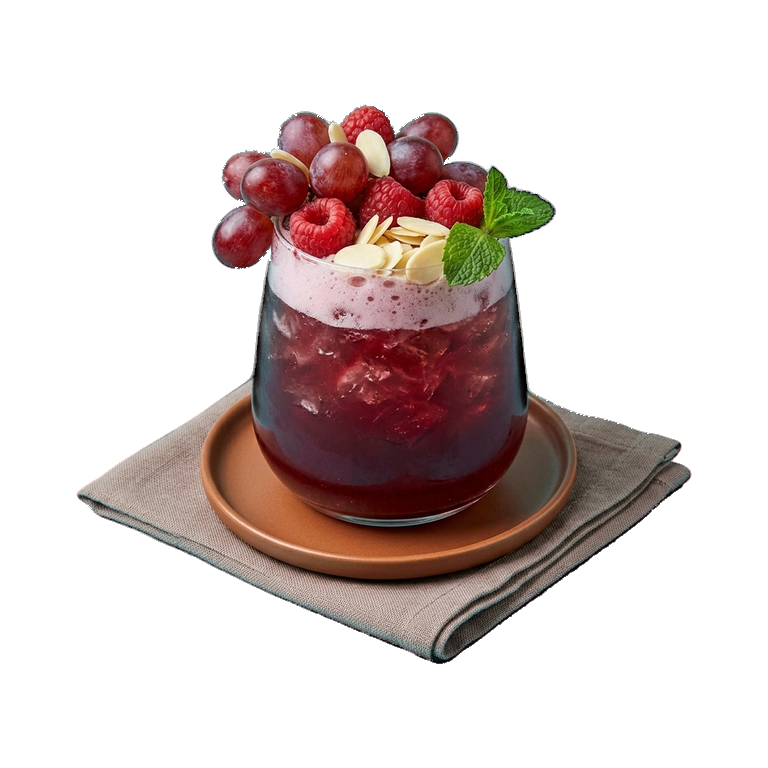
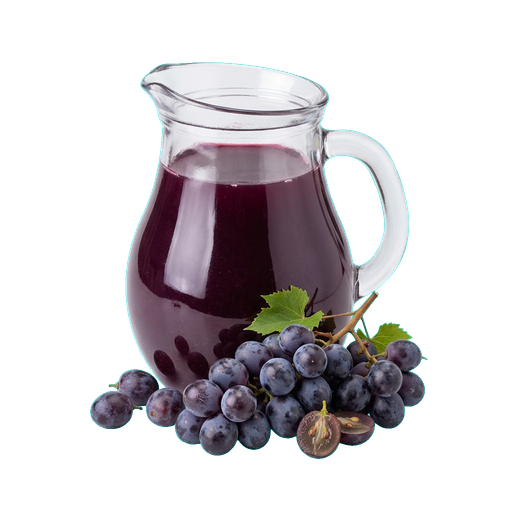
Natural juice from ripe grapes with natural sweetness and light acidity that gives it freshness and depth of flavor. Used in cooking for preparing sauces, marinades, jellies, and desserts, as well as serving as a base for beverages and cocktails. When choosing, pay attention to sugar and acidity content — red and black grape juice is more astringent and suits meat dishes, while white juice is milder and more versatile for sweet recipes.
About
What does grape juice provide in the kitchen
Grape juice is one of the most versatile helpers in the kitchen. It works simultaneously as a sweetener, acid, and flavoring. Unlike vinegar, juice preserves the delicacy of grapes, and unlike the berries themselves, it penetrates the dish evenly and doesn't leave pieces. Whether you use it in marinades, sauces, desserts, or drinks — each time you get a layer of flavor that's difficult to replace.
Red, white, and dark — choose by task
The color of juice determines not only the appearance of the finished dish, but also its flavor profile. Red and dark grape juice is more saturated, with berry notes and greater tannicity — they go into marinades for meat, into sauces for game, into stewed dishes. White juice is softer, with floral undertones, suitable for fish, poultry, light sauces, and sweet glazes. Dark juice is almost black, concentrated — it is often used in small quantities to deepen the flavor.
Where it works best
- Marinades for red meat and game — juice softens fibers and adds fruity sweetness
- Sauces for poultry and meat — you reduce the juice by simmering it with broth and butter
- Glazes for baked vegetables and root crops — gives dishes gloss and sweet-sour flavor
- Jellies and mousses — base for desserts, often mixed with gelatin or agar
- Compotes and fruit drinks — you can dilute with water or mix with other juices
- Baking dough — small amount adds moisture and light sweetness
What pairs with
Grape juice pairs well with herbs: rosemary, thyme, and sage. It works great with black pepper, cloves, and cinnamon — they enhance its depth. In sweet dishes, it combines with vanilla, lemon, and ginger. Grape juice is often found on the table alongside red meat, duck, mushrooms, pear, plum, and blackcurrant.
How to Choose and Store
Check the label: 100% juice without additives will be more aromatic and acidic than nectar or a sweetened drink. If you want to use juice in marinades and sauces where acidity is important, choose one without sugar. For sweet dishes, one with additives will work fine — the taste will still be a winner. Store an opened bottle in the refrigerator and use it within a week so you don't lose freshness and aroma.
Cooking Tip
If you've reduced grape juice in a sauce and it's become too sweet, add a few drops of lemon juice or vinegar — this will restore the balance. Don't boil the juice for long, especially if you want to preserve its aroma: add it at the end of cooking or heat it over low heat. For a marinade, you can dilute the juice with water in equal parts if it's too concentrated.
Nutrition
per 100 ml
- Calories
- 60 kcal
- Protein
- 0.2 g
- Fat
- 0.1 g
- Carbs
- 15 g
Measures and weight
- 1 tbsp
- 15.6 g
- 1 tsp
- 5.2 g
- 1 cup
- 260 g
Measure calculator
- Weight
- 100 g
- Calories
- 58 kcal