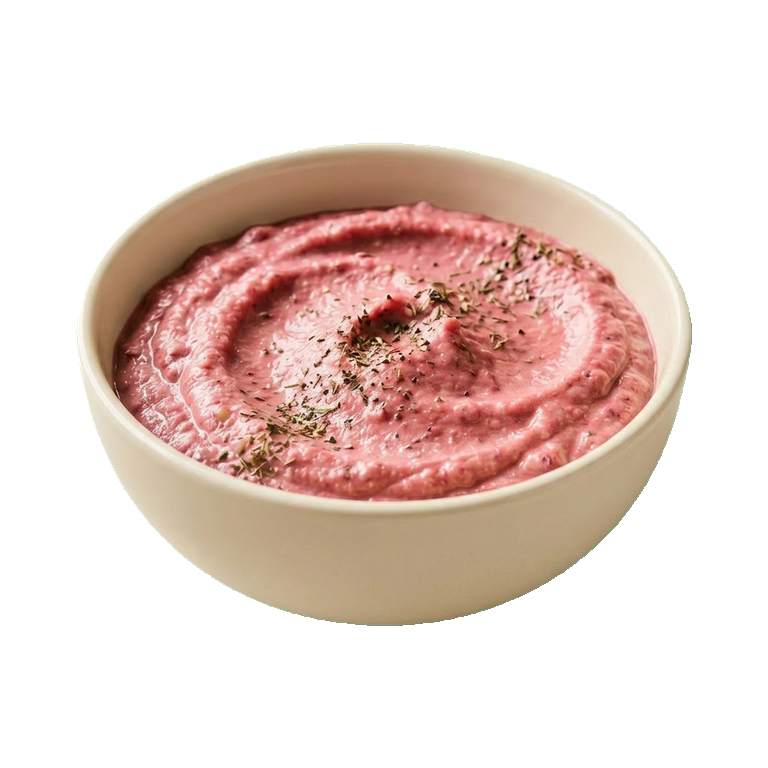
Usuba
Usuba
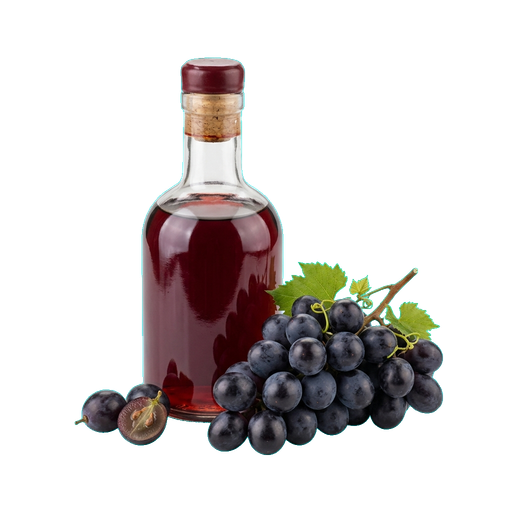
Grape vinegar
Grape vinegar is produced from grape wine through fermentation and is distinguished by its mild, fruity flavor with delicate acidity. It is ideal for dressing salads, marinades, and sauces, adding depth to dishes without the sharp acidity characteristic of other vinegar types. When choosing, pay attention to quality and color — dark vinegar is more expressive, while light vinegar suits delicate dishes.
About
Grape vinegar is not just a sour condiment, but a full-fledged ingredient that changes the character of a dish. It is produced from grape juice or wine through fermentation, and in this process a complex flavor profile is born: simultaneously sharp and mild, with fruity notes and delicate sweetness. This is what distinguishes it from ordinary table vinegar and makes it indispensable in the kitchen.
Aroma and taste
The aroma of grape vinegar is milder than that of spirit vinegar. It smells of ripe grapes, with barely perceptible wine tones and a hint of caramel. Taste is the main thing: the acidity here doesn't sting the tongue, but rather envelops it, leaving an aftertaste with fruity notes. The color varies from light yellow to deep brown depending on the grape variety and aging.
Role in Dishes
Grape vinegar works where not just acidity is needed, but its flavor component. A few drops enliven sauces, emphasize sweetness in marinades, and add depth to vegetable side dishes. It is ideal for dressing salads with delicate greens, where harsh vinegar would be out of place. In meat dishes, it helps soften fibers and adds sophistication. Even in a simple tomato sauce, its presence is noticeable — the dish becomes more expressive.
Successful Combinations
- Olive oil — a classic pairing for vinaigrettes and marinades
- Mustard and honey — create a harmonious balance of sweet and spicy
- Fresh herbs (thyme, oregano, basil) — enhance the aroma
- Tomatoes and eggplants — vinegar emphasizes their natural flavor
- Red meat — acidity softens the density, marinade becomes more tender
- Seafood — a few drops before serving bring the taste to life
How to Choose and Store
When choosing, check the label: good grape vinegar contains 5 to 8% acidity. The color should be clear, without cloudiness. If you see sediment at the bottom — this is normal, it indicates the product's authenticity. Avoid vinegars with additives and preservatives; the ingredients should only contain grapes and water.
Grape vinegar is stored in a dark glass bottle at room temperature, away from direct sunlight. A tightly closed bottle retains its properties for years. An open bottle is best used within a year — the taste will remain vibrant. No refrigeration or transfer to another container is required.
Practical Tips
- Add at the end of cooking — this way the aroma will remain more vibrant
- Start with half a teaspoon per serving, then adjust to taste
- In marinades, vinegar can be diluted with water to soften the acidity
- For deglazing the pan, grape vinegar is better than distilled vinegar — the sauce will be more refined
- If the vinegar is too acidic, mix it with a small amount of honey or sugar
Nutrition
per 100 ml
- Calories
- 18 kcal
- Protein
- 0 g
- Fat
- 0 g
- Carbs
- 0.9 g
Measures and weight
- 1 tbsp
- 15.2 g
- 1 tsp
- 5 g
- 1 cup
- 252.5 g
Measure calculator
- Weight
- 100 g
- Calories
- 18 kcal