Usuba
Usuba
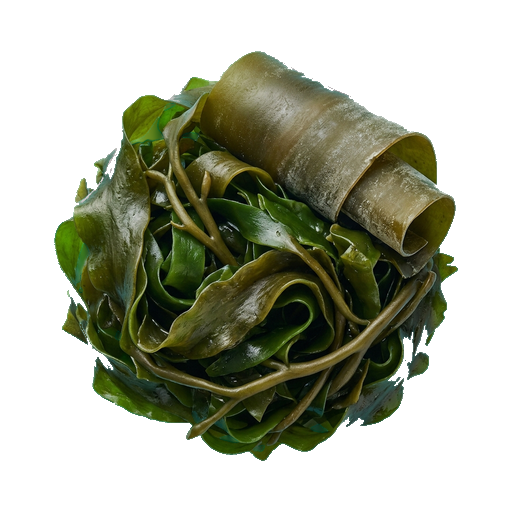
Seaweed
Seaweed is a sea vegetable with a salty, slightly iodized flavor and a characteristic ocean aroma. In cooking, dried seaweed varieties such as nori, wakame, and kombu are most commonly used and added to soups, salads, sushi, and Asian dishes for depth of flavor and nutritional value. When selecting, pay attention to the integrity of the leaves and dark color — quality seaweed is stored in airtight packaging and quickly absorbs moisture, so it should be kept in a dry place.
About
Seaweed is one of the most versatile ingredients in modern cuisine. It appears in Asian soups, is sprinkled on sushi, becomes the basis of salads, and is even used as a thickener in European sauces. At the same time, there is nothing exotic or complicated about seaweed: it is simply sea plants that are easy to store, quick to prepare, and work in dozens of dishes.
Taste and aroma
The flavor profile of seaweed depends on the variety. Nori — thin black sheets — has a delicate, slightly nutty taste with a briny saltiness. Wakame, which often floats in miso soup, is softer and more tender, with a barely perceptible sweetness. Kombu, thick strips for broths, delivers a deep umami, almost like a good fish stock. Spirulina and chlorella — microalgae in powder form — have a more herbaceous, sometimes even bitter taste, which is often masked in beverages or mixed with other ingredients.
The main property of all seaweeds is that they enhance and emphasize the flavor of a dish. This happens due to the high content of glutamates, the same substances that give umami in parmesan or tomatoes. Therefore, a pinch of nori in rice pilaf or a piece of kombu in broth works as a flavor accent, rather than as a standalone ingredient.
Where and how to use
Each type of seaweed works differently. Nori is sliced into strips for garnish, rolled into rolls, crumbled into salads, or added to omelets. Wakame is added to soups a minute before serving — it swells instantly. Kombu is boiled with broth for 15–20 minutes, then removed so it doesn't overcook. Microalgae powder is dissolved in liquid or mixed with sauces.
- Nori: sushi, rolls, rice and noodle seasoning, salad flakes
- Wakame: miso soup, sesame salads, okroshka, cold soups
- Kombu: dashi base, broths, cooking legumes (softens them)
- Microalgae: smoothies, yogurts, sauces, cream soups, breading
Combinations with other products
Seaweed pairs well with rice, noodles, seafood, and fish — these are classic Asian combinations. But they also work in European cuisine: nori looks great with avocado and cream cheese, wakame is excellent in salads with olive oil and lemon, kombu enhances the flavor of vegetable broths and cream soups. Sesame, wasabi, soy sauce, ginger, garlic — all these ingredients naturally complement the briny saltiness of seaweed.
A pinch of nori or a strip of kombu in a dish is not exotic, but a way to add depth of flavor without extra calories and salt.
Selection and Storage
When purchasing, pay attention to the integrity of the sheets and packaging. Nori should be black, shiny, and without cracks. Wakame and kombu should be dark green or black, without mold or foreign odors. Microalgae powder should be uniform in color without lumps. Check the packaging date: fresh seaweed lasts longer and has a more vibrant flavor.
Dried seaweed is stored in an airtight container in a cool, dry place — it practically doesn't spoil. Nori may become slightly damp over time, so it's better to keep it in an opaque box or jar. If the seaweed has absorbed moisture, it can be slightly warmed on a dry pan. An opened package should be used within a month or two to avoid losing flavor.
Practical Tips
- Before using wakame and kombu, soak them in cold water for 5–10 minutes — they will become softer and release some of their saltiness
- Nori is fragile: cut it with scissors, not a knife — this way the edges remain even
- Do not overcook seaweed in hot water longer than necessary — it will lose flavor and become slimy
- If the dish turned out too salty, the seaweed is to blame — keep this in mind when adding salt to the recipe
- Microalgae powder is best added at the end of cooking or to cold dishes to preserve nutrients
Seaweed is not a complex ingredient requiring special knowledge. It's simply a useful, aromatic, and practical product that's easy to always keep on hand. Start with nori for sushi or wakame for soup, and you'll quickly understand how they work in your kitchen.
Measure calculator
- Weight
- 100 g