Usuba
Usuba
Dried figs
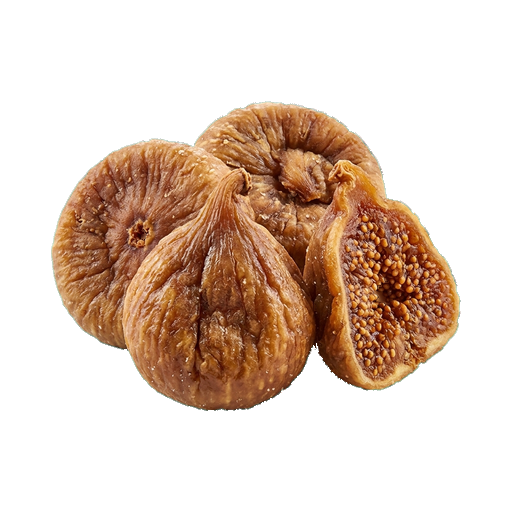
Dried figs are dehydrated fruits from the fig tree with a concentrated sweet taste and dense, chewy texture. Used in baking, compotes, desserts, and meat dishes as a natural sweetener and source of fiber. When selecting, pay attention to the firmness of the fruits and the absence of mold; store in an airtight container in a cool place, as dried figs quickly absorb moisture and can crystallize.
About
Sweetness that works in any dish
Dried figs are not just a dried fruit, but a full-fledged ingredient that changes the character of a dish. When fresh figs lose moisture, their sugars concentrate, the taste becomes deeper, and notes of caramel and honeyed warmth appear. Its dense, chewy texture makes it convenient to work with: it doesn't crumble into pieces, doesn't require pre-soaking, although it won't refuse it.
At first glance, dried figs look modest — dark, wrinkled fruits, often dusted with sugar. But once you take a bite — you'll feel the soft flesh with tiny seeds that provide a pleasant crunch. The aroma is calm, sweet, with woody notes, never overpowering.
Where and how to use
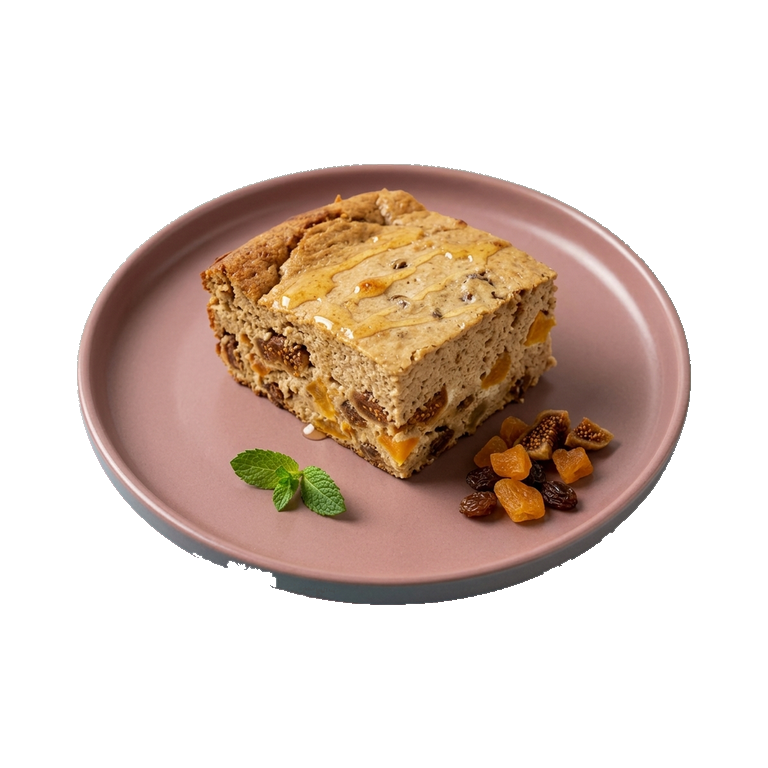
Dried figs work everywhere you need natural sweetness and interesting texture. In sweet baked goods — buns, pies, cookies — they don't just add sugar but also moisture, making the crumb more tender. In muesli and granola, they serve as the main accent. With cheese and nuts, they create the perfect balance: the sharpness of cheese, the crunch of nuts, the sweetness of figs.
But figs are not limited to sweets. They work wonderfully in sharp sauces for meat — adding depth and rounding out the harsh edges of spices. In compotes and fruit drinks, they reveal new facets when cooked with cinnamon or cloves. Even in salads with arugula and parmesan, they find their place.
- Baked goods and bread — chop finely or leave in halves
- Cereals and breakfast dishes — chop or add whole
- Compotes — cook whole or broken in half
- Meat dishes — mince into sauce or glaze
- Cheese and appetizers — slice thinly for serving
What to pay attention to when choosing
Good dried figs should be soft to the touch, but not sticky or clumped together. If the fruits stick to each other, it is a sign of either excess moisture or improper storage. The color varies from brown to almost black depending on the variety; this is normal. A white coating on the surface is crystallized sugar, not a defect.
Smell: the aroma should be sweet and clean, without any moldy or sour notes. If the fruits smell of fermentation or mustiness — this is a signal to set the package aside. Hard, dried figs are still usable, but they require soaking before use.
Storage and Preparation
Dried figs are stored for a long time — several months in a cool, dry place in an airtight container or a zip-lock bag. The refrigerator will extend the shelf life even further. The key is to avoid moisture and direct sunlight, otherwise the fruits will start to mold or harden.
Before use, rinse the figs under running water if there is dust or sugar coating on them. If you plan to add them to dough or sauce, cut with a knife moistened in hot water — this way the blade won't stick. For compotes and beverages, soak for 15–20 minutes in warm water, and the fruits will become even softer and release more flavor.
Dried figs are a versatile player in the kitchen. They require no complex preparation, store without any issues, and are always ready to add depth and sweetness wherever needed.
Nutrition
per 100 g
- Calories
- 249 kcal
- Protein
- 3.3 g
- Fat
- 0.9 g
- Carbs
- 63.9 g
Measures and weight
- 1 pcs
- 20 g
Measure calculator
- Weight
- 100 g
- Calories
- 249 kcal