Usuba
Usuba
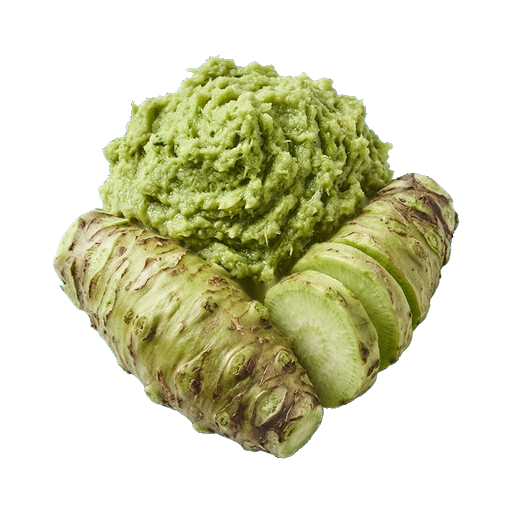
Wasabi paste
Sharp wasabi rhizome paste with a characteristic pungent taste and piercing aroma that irritates the nasal passages. Used as a condiment for sushi, rolls, and other Japanese dishes, adding a sharp peppery note and enhancing the flavor of fish. When choosing, pay attention to consistency — quality paste should be uniform and sufficiently dense. When using, remember that wasabi is very sharp, so it should be added in small portions to avoid overpowering the other flavors of the dish.
About
Fiery Pasta with Character
Wasabi paste is concentrated heat in a convenient form. It is made from the rhizome of a plant or from a mixture of mustard, horseradish, and food coloring. The main difference from dry powder: the paste is ready to use, requires no dilution, and maintains the freshness of its sharp taste longer. Open the tube or jar — and you can serve it right away.
Taste and Aroma
Wasabi provides not just heat, but a specific pungency that pierces the nasal passages and creates that characteristic tearing effect. Unlike pepper, the heat here is sharper and shorter-lived, fading quickly. The taste is herbaceous and bitter with barely perceptible sweetness. The paste often has a bright green color, sometimes with black specks from seeds.
Where to use
Wasabi paste is a classic accompaniment to sushi and rolls. It is spread on rice before laying the fish on top or served separately so that each guest can adjust the spiciness to their taste. But its role doesn't end there.
- Add to marinades for fish or seafood — the paste will add depth and piquancy
- Mix with mayonnaise or sour cream for steak or fried meat sauce
- Add a pinch to miso soup or fish broth
- Use as a seasoning for avocado, cucumbers or tomatoes
- Add to cream cheese for sandwiches or canapés
Dosage is the main rule
Wasabi paste demands respect. Start with a very small amount — about the size of a pea. Its heat can be deceptive: it seems mild at first, and then suddenly hits your nose. If you're adding it to a sauce, dissolve the paste thoroughly so the heat distributes evenly rather than concentrating in separate spots of the dish.
Selection and Storage
When purchasing, pay attention to the composition. Real wasabi contains plant rhizome, but this is rare and expensive. More often you'll find a mixture with horseradish, mustard, and food coloring — this is normal and works well. Check the production date: fresh paste has a more vibrant flavor.
Keep an open jar or tube in the refrigerator with the lid tightly closed. Paste loses its sharpness when exposed to air, so do not leave it open. Properly stored paste maintains its quality for several months. If the paste has darkened or an unpleasant odor has appeared — it's time to replace it.
Wasabi paste is not just a seasoning, but a tool for creating contrast. Its sharpness awakens taste receptors and makes the dish more expressive. The key is not to overcomplicate things and remember that its role is to complement, not overpower the main flavor.
Nutrition
per 100 g
- Calories
- 180 kcal
- Protein
- 3 g
- Fat
- 5 g
- Carbs
- 30 g
Measures and weight
- 1 tbsp
- 16.5 g
- 1 tsp
- 5.5 g
- 1 cup
- 275 g
Measure calculator
- Weight
- 100 g
- Calories
- 180 kcal