Usuba
Usuba
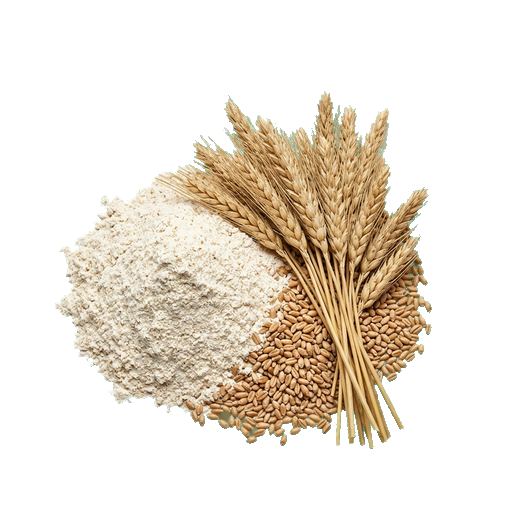
Wheat flour, first grade
First-grade wheat flour is a versatile medium-quality flour with a cream tint, containing part of the grain husk, which gives it a slightly nutty flavor. It is perfectly suited for baking bread, buns, cookies, and pancakes, ensuring good dough rise due to optimal gluten content. When choosing, pay attention to the packaging date and package seal — flour easily absorbs moisture and foreign odors, so it should be stored in a dry place in a tightly closed container.
About
First-grade wheat flour is the workhorse of home cooking. It is lighter than whole wheat flour, but darker than premium grade, and this balance makes it a versatile choice for most baking. The grains are milled together with part of the bran, so the flour retains enough nutrients, and the color turns out creamy or slightly gray.
The main difference of the first grade is the optimal gluten content (usually 28–30%), which allows the dough to rise well and hold its shape. This requires no compromises in recipes: it works equally reliably for bread, buns, cookies, and pancakes.
Where to use
First-grade flour is an ideal choice for yeast dough. Bread made from it has a good crumb structure and a pleasant taste. Buns, pies, kulich cakes — all of these rise confidently and bake evenly.
- Wheat bread and rye-wheat mixtures
- Sweet dough: buns, swirls, sweet loaves
- Cookies and gingerbread — holds shape and doesn't spread
- Pancakes, fritters and dumpling dough
- Homemade noodles and pasta
For cakes and delicate sponge cake, it's best to use the highest grade, and for bread with a pronounced flavor, you can mix first-grade flour with whole wheat or rye. First-grade flour combines well with other types and does not overpower their characteristics.
How to Choose and Store
When purchasing, pay attention to the packaging date — fresh flour works better. Check for lumps and foreign odors. The color should be uniform, cream-white or with a slight gray tint.
Store flour in a dry place in an airtight container — a jar, a bag with a clip, or a container. The ideal temperature is 10–15 degrees Celsius. At room temperature, flour remains suitable for several months, but over time it loses its elasticity and gluten becomes weaker. If you buy large quantities, you can freeze part of it — this will extend its shelf life.
- Keep flour separate from odorous products and spices
- Do not mix remnants of old flour with new
- Sift flour before use — this aerates it and improves the result
Practical Tips
Flour absorbs moisture from the air, so in humid weather the dough may turn out thicker than expected. Add liquid gradually and focus on the consistency rather than just following the recipe. Conversely, in a dry climate you may need a bit more water.
For bread, first grade flour gives good volume and soft crumb. If you want a more pronounced bread flavor, mix it with whole wheat flour in a ratio of 3:1 or 2:1 — this will enrich the aroma and add nutritional value, but the dough will require a bit more time for proofing.
When kneading dough with milk or kefir, first grade flour reveals its qualities particularly well — the buns turn out soft and stay fresh for a long time. This is flour you can rely on for everyday baking.
Nutrition
per 100 g
- Calories
- 334 kcal
- Protein
- 10.6 g
- Fat
- 1.3 g
- Carbs
- 69.9 g
Measures and weight
- 1 tbsp
- 8.3 g
- 1 tsp
- 2.8 g
- 1 cup
- 137.5 g
Measure calculator
- Weight
- 100 g
- Calories
- 334 kcal