Usuba
Usuba
White balsamic vinegar
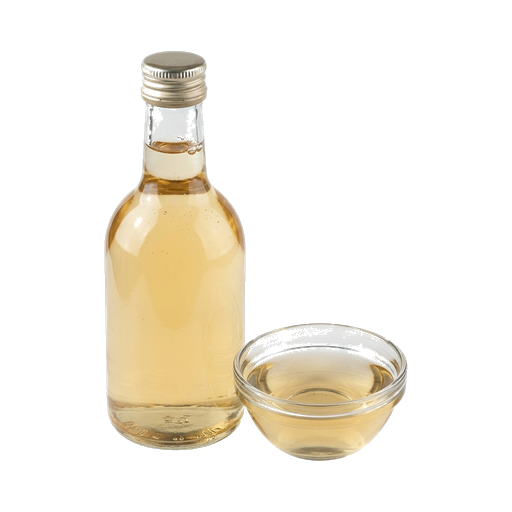
White balsamic vinegar is a light variety of traditional balsamic made from white grapes without aging in wooden barrels. It has a mild, slightly sweet taste with delicate acidity and does not leave dark stains on food, making it ideal for light sauces, marinades, and salad dressings. When choosing, pay attention to the grape must content and acidity — quality vinegar should be sufficiently concentrated so it does not require significant reduction in a recipe.
About
White balsamic vinegar is a light version of classic Italian vinegar, which is produced from grape must without prolonged oxidation. If black balsamic is similar to concentrated syrup, then white is its more delicate relative with a transparent amber color and a more subtle character.
Taste and Aroma
White balsamic has a brighter and cleaner taste than its dark counterpart. Here you will feel the sweetness of grapes, a light piquancy, and fruity notes — pear, apple, and sometimes even a hint of floral character. Its acidity is higher than that of black vinegar, so it cuts through a dish better without dominating it.
Where to use it
White balsamic is an ideal choice for dishes where you need acidity without dark color. It won't ruin a light sauce, won't darken delicate fish meat, and won't turn a salad into a dark spot. Use it in vinaigrettes for fish and seafood, in marinades for white meat, in sauces for vegetables, and in dressings for light salads.
Works perfectly with delicate ingredients: butter, cream, white wine, lemon, herbs. Pairs well with seaweed, avocado, soft cheeses and fresh greens. It can be added at the end of cooking — it doesn't require long stewing.
Selection and Storage
When purchasing, pay attention to the color — it should be light, almost transparent or with a slight amber tint. The lighter the vinegar, the less it has oxidized and the fresher its taste. Check the label: quality white balsamic contains only grape must and does not contain caramel or food coloring.
Store vinegar in a tightly closed bottle at room temperature, away from direct sunlight. It keeps well for many months, but may darken over time — this is normal. The main thing is to prevent moisture from entering and to maintain the seal of the packaging.
Dosage and practical tips
- For salad dressing: 1 part vinegar to 3 parts oil — this is the classic ratio, but white balsamic allows you to increase the vinegar proportion slightly.
- In sauces and marinades: start with a teaspoon per serving and adjust to taste.
- For deglazing the pan: white balsamic won't leave dark streaks on light meat or fish.
- If the vinegar seems too acidic, mix it with a small amount of honey or sugar — this will soften the flavor.
White balsamic vinegar is not just an alternative to black vinegar, but a standalone ingredient with its own character. It gives you the freedom to experiment with delicate dishes without worrying about spoiling their appearance. Try it in your next salad or marinade — and you'll understand why this vinegar has become a favorite among chefs working with tender ingredients.
Nutrition
per 100 ml
- Calories
- 20 kcal
- Protein
- 0.1 g
- Fat
- 0 g
- Carbs
- 4 g
Measures and weight
- 1 tbsp
- 15.2 g
- 1 tsp
- 5 g
- 1 cup
- 252.5 g
Measure calculator
- Weight
- 100 g
- Calories
- 20 kcal