Usuba
Usuba
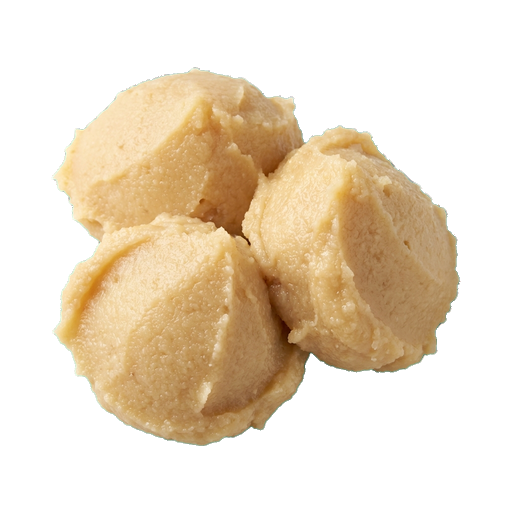
White miso paste
White miso paste is a fermented paste made from soybeans with added rice and salt, distinguished by its light color and subtly sweet, mild flavor. It is less salty and more delicate than dark miso varieties, with a subtle aroma and creamy consistency. In cooking, it is used for preparing soups, sauces, marinades, and dressings, and is also suitable for desserts and sweet dishes due to its natural sweetness.
About
White miso paste is one of the mildest and most delicate types of miso. It ferments for only a few months, which gives it a slightly sweet taste and delicate consistency. Unlike its dark counterparts, white miso does not dominate a dish, but works as a subtle flavor accent, enhancing the natural aromas of the ingredients.
Taste and Aroma
White miso has a sweet and mild aroma — you can detect notes of fermented soybeans, but they are not sharp. The taste is creamy, with a subtle saltiness and barely noticeable sweetness. If you've tried classic miso and found it too intense, the white version is a good entry point. It doesn't overpower other components of the dish, but rather highlights their depth.
Where and how to use it
White miso is indispensable in light dishes where delicate flavor is needed. It is perfectly suited for miso soup with delicate ingredients — sea kelp, tofu, green onions. It is added to salad dressings, in marinades for fish and seafood. The paste works well in creamy sauces, giving them saltiness and umami without harshness.
- Miso soup with sea kelp and tofu
- Dressing for vegetable salads
- Marinade for white fish and seafood
- Creamy sauce for pasta or vegetables
- Base for light broth or dashi
Combinations with other ingredients
White miso pairs well with delicate products: white fish, scallops, squid. Its mild flavor allows it to work with vegetables without overpowering their taste. A pairing with lemon or rice vinegar highlights freshness. Butter and cream soften the saltiness and create a silky texture. Fresh herbs — dill, parsley, cilantro — complement white miso without conflicts.
How to Choose and Store
When purchasing, pay attention to the consistency: the paste should be homogeneous, without lumps or layers. The color varies from cream-white to light yellow — this is normal. Check the composition: quality miso contains only soybeans, salt, starter culture, and possibly rice. Avoid pastes with a long list of additives and preservatives.
White miso should be stored in a tightly sealed container in a cool place or in the refrigerator. Thanks to fermentation and high salt content, the paste keeps for a long time — often a year or more. If white mold appears on the surface, this is not spoilage but a natural fermentation process; simply remove the top layer. When diluted in hot water, miso reveals its aroma more fully, but do not boil it — high temperature destroys beneficial enzymes.
Start with half a teaspoon of white miso per serving of soup or sauce — you can always add more, but you won't be able to remove the excess.
Nutrition
per 100 g
- Calories
- 190 kcal
- Protein
- 12 g
- Fat
- 6 g
- Carbs
- 20 g
Measures and weight
- 1 tbsp
- 18 g
- 1 tsp
- 6 g
- 1 cup
- 300 g
Measure calculator
- Weight
- 100 g
- Calories
- 190 kcal