Usuba
Usuba
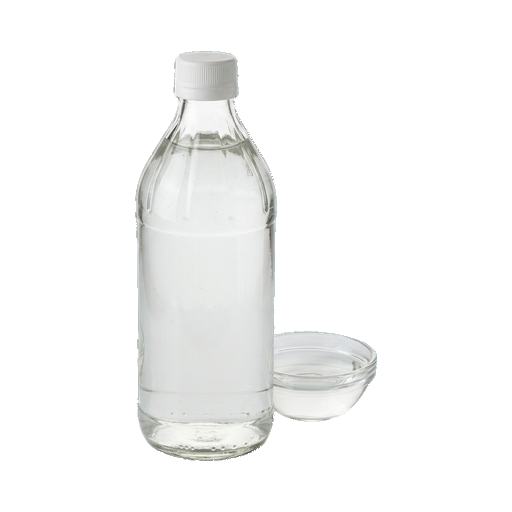
White vinegar
White vinegar is a clear liquid with a sharp, clean sour taste and a characteristic pungent aroma, derived from fermented alcohol or grain. In cooking, it is used for pickling vegetables, preserving, making sauces and dressings, and for neutralizing richness in dishes. When choosing, pay attention to the vinegar's strength (usually 4–8%), as it affects the intensity of taste and requires adjustment of the quantity in recipes.
About
White vinegar is a clear liquid with a sharp, clean sour taste that has become an indispensable helper in the kitchen. It is produced from alcohol through fermentation, and the result is a product with acidity typically ranging from 4 to 8 percent. Unlike other types of vinegar, the white variant has almost no color and no pronounced aroma of its own — this is its main advantage when you need acidity without additional flavor notes.
Taste and use in dishes
White vinegar works as a flavor enhancer and acidity balancer. Its sharp tanginess brings dishes to life without overshadowing the main ingredients. Add a few drops to a marinade for meat or fish — the acid will soften the fibers and highlight the natural flavor. In salad dressings, it creates a clean, fresh base that pairs well with any vegetables and greens.
White vinegar is versatile in the kitchen: it is used in marinades, pickling vegetables and fruits, in sauces and dressings. It is ideal for preparing piquant sauces for meat, fish, and poultry. A few spoonfuls will enhance the flavor of rassolniki, okroshka, and other soups with a sour note. Due to its transparency, white vinegar does not stain dishes and does not change their color — important when working with light-colored ingredients.
Combinations and Proportions
White vinegar works well with garlic, mustard, honey, and vegetable oil — a classic set for dressings. It pairs well with herbs: dill, parsley, basil. In marinades, it is often combined with sugar, salt, and spices. For a salad dressing for four servings, one to two tablespoons of vinegar, two to three tablespoons of oil, a pinch of salt and pepper are usually used.
- Meat marinade: 100–150 ml of vinegar per liter of liquid
- Vegetable preservation: 50–100 ml per liter of brine depending on desired acidity
- Salad dressing: 1 part vinegar to 3 parts oil ratio
- Sauces and gravies: 1–2 tablespoons per serving to taste
Selection and Storage
When choosing white vinegar, pay attention to the clarity of the liquid — it should be crystal clear, without cloudiness or sediment. Check the acidity level on the label: for most culinary tasks, vinegar with 5–6 percent acidity is suitable. A stronger variant (8 percent) is used for preserving and when intensive acidity is needed.
White vinegar can be stored for practically an unlimited time in a closed bottle at room temperature, away from direct sunlight. Over time, it does not spoil and does not lose its properties. If you have opened the bottle, close the lid tightly after use — this will prevent evaporation and the entry of foreign odors.
Practical Tips
- Add white vinegar at the end of cooking to preserve its bright acidity
- Start with a smaller amount — vinegar is easier to add than to remove
- For marinades, heat the vinegar with spices before pouring it over the product — this allows the flavors to penetrate better
- If the vinegar seems too sharp, dilute it with water to the desired intensity
- Use white vinegar for preservation — its neutral flavor won't overpower the taste of vegetables and fruits
Measures and weight
- 1 tbsp
- 15.2 g
- 1 tsp
- 5 g
- 1 cup
- 252.5 g
Measure calculator
- Weight
- 100 g