Usuba
Usuba
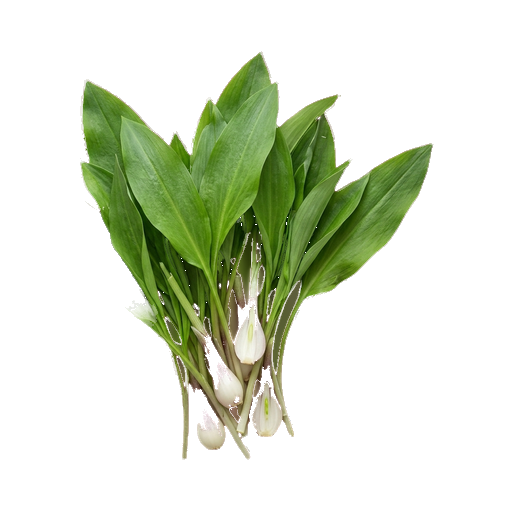
Wild garlic
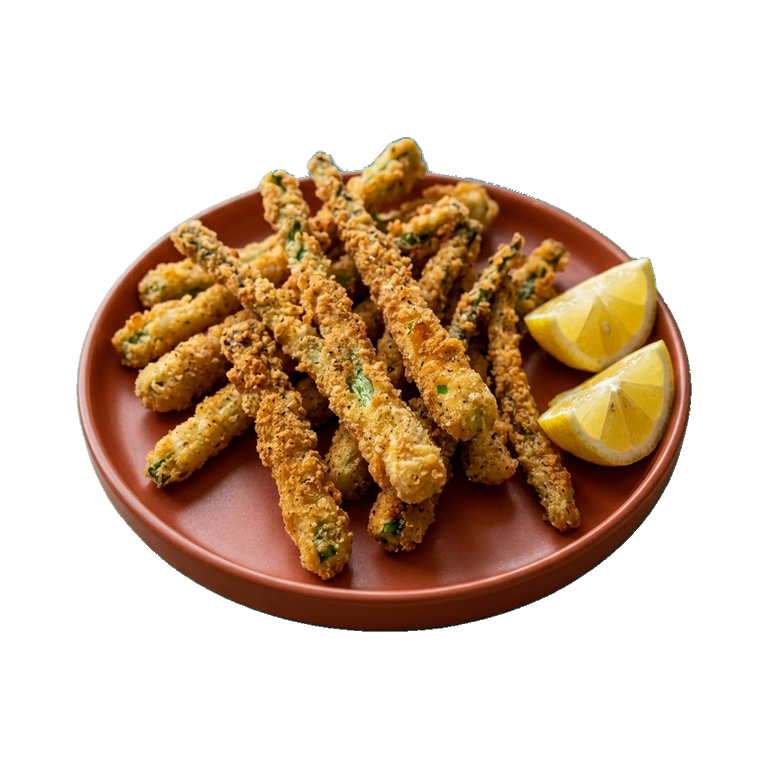
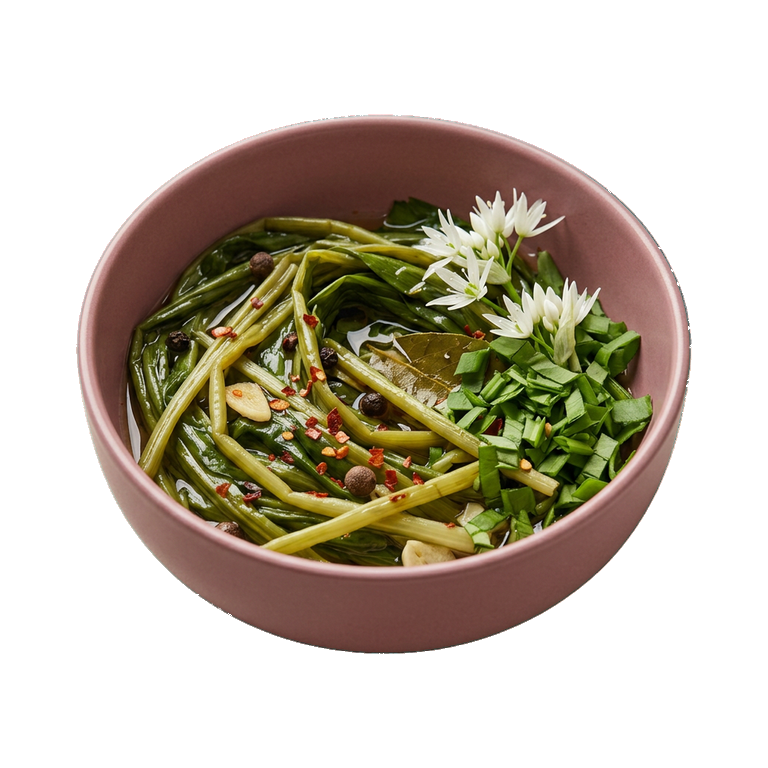
Ramsons — wild garlic with tender leaves and bulbs, characterized by a sharp garlic-onion aroma with herbaceous notes. In cooking, it is used whole: leaves are added to salads, soups, and sauces for fresh piquancy, while bulbs are pickled or stewed as a standalone dish. A seasonal ingredient available in spring, it requires quick use as it rapidly loses tenderness and aroma; during cooking, it is best added at the end to preserve its distinctive flavor.
About
Ramsons are wild garlic that appears in early spring and becomes a welcome guest in the kitchen for those who appreciate vibrant, fresh flavors. In appearance, it resembles lily of the valley with broad leaves and white flowers, but its true charm unfolds in its aroma and taste. The plant simultaneously smells of garlic and onion, but milder, more delicate, with herbal notes that don't irritate the throat and don't leave a lingering smell.
Aroma and taste
The taste of ramsons depends on which part you use. The leaves provide a mild garlic-onion background with herbaceous notes, the stems are denser and sharper, and the bulbs in the ground are the most concentrated in flavor. Raw ramsons are brighter and more pungent, but with heat treatment it becomes more tender and loses its aggressiveness, leaving only a pleasant undertone. This is its main advantage over regular garlic: it doesn't overpower a dish, but complements it.
Role in dishes
Wild garlic is versatile and works almost everywhere you need sharpness and depth. It's added to soups — it gives the broth brightness without harshness. In pasta, risotto, and grains, wild garlic brings freshness, especially if used at the end of cooking or even raw. The leaves are great in salads, as a base for sauces and pesto, in omelets and cottage cheese casseroles.
Combinations and Proportions
- With dairy products: sour cream, cream, cottage cheese, soft cheeses — ramps make them brighter and more interesting
- With potatoes: boiled, fried or in soups — a classic combination
- With fish and seafood: ramps greens emphasize freshness
- With eggs: in omelets, in salads with boiled eggs
- With legumes: in soups and side dishes made from lentils, beans
Wild garlic is quite aromatic, so you don't need much of it. For soup serving 4 people, one bunch (approximately 100–150 grams) will be enough, for a salad — half a bunch. If you're making pesto, use wild garlic as the base and complement it with more neutral greens to avoid overcomplicating the flavor.
Selection and Storage
Wild garlic appears on the market in April–May, sometimes a bit earlier. Choose bunches with firm, bright green leaves without spots or slime. The stems should be sturdy, not wilted. The smell should be fresh, pleasant garlic-like, without mustiness.
- Wild garlic keeps in the refrigerator for 3–5 days in a bag or container on the bottom shelf
- You can freeze it as whole leaves or chopped in a container — this way it will retain its flavor for 2–3 months
- For long-term storage, it can be salted, pickled, or made into wild garlic butter
- Drying wild garlic is not recommended — it loses almost all of its aroma
Ramps are a seasonal product, so catch the moment when they appear. Their delicate flavor and freshness are something you can't get from regular garlic or onions, even if you mix them together. Use them generously during the season, and preserves will help extend the pleasure throughout the year.
Nutrition
per 100 g
- Calories
- 35 kcal
- Protein
- 2.4 g
- Fat
- 0.1 g
- Carbs
- 6.5 g
Measures and weight
- 1 tbsp
- 4.5 g
- 1 tsp
- 1.5 g
- 1 cup
- 75 g
- 1 bunch
- 100 g
Measure calculator
- Weight
- 100 g
- Calories
- 35 kcal