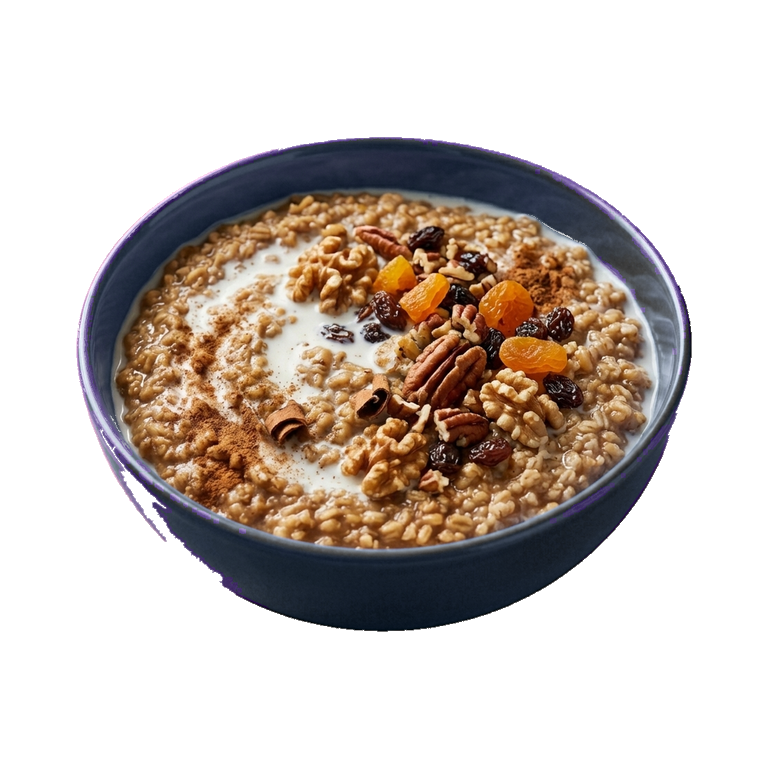
Usuba
Usuba
Barley
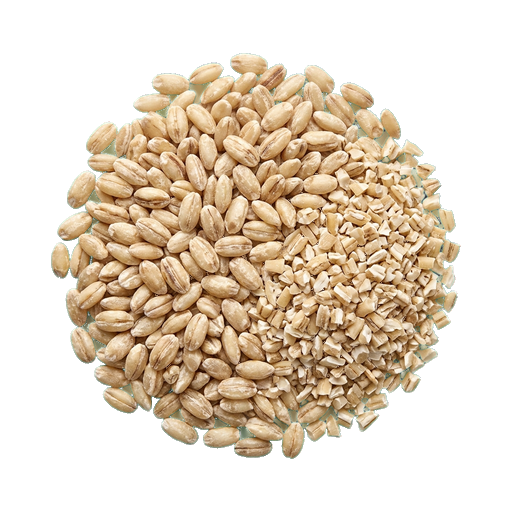
Barley is an ancient grain crop with dense kernels used in cooking as pearl barley (whole grain) or barley groats (crushed grain). It has a delicate, slightly sweet flavor and becomes soft when cooked with a characteristic creamy consistency, absorbing broths and sauces well. Barley is traditionally added to soups, porridges, side dishes, and meat courses; when selecting, pay attention to the grain color — quality barley has a uniform light brown shade, and when substituting with other grains, keep in mind the longer cooking time required.
About
Barley is one of the most ancient grain crops that has firmly established itself in the kitchens of different peoples. In cooking, several forms are used: whole grains, pearl barley, flakes, and flour. Each form has its own character and application, but they are united by one thing — a delicate, slightly sweet taste with a nutty undertone.
Taste and texture
When barley is cooked, it becomes soft but retains a slight elasticity — it doesn't fall apart into mush, but remains as a grain. The taste is delicate, without harshness, with barely perceptible nutty notes. Pearl barley takes longer to cook than whole grains, but the result is worth it: the grains become more tender, and the broth becomes enriched with starch and acquires a soft texture.
Role in dishes
- Soups and stews — barley thickens the broth, makes it more satisfying and coating
- Porridges — as a standalone dish or side dish with meat and vegetables
- Risotto and pilafs — barley works as an alternative to rice, giving the dish its own character
- Bread and baked goods — barley flour adds sweetness and fluffiness
Pairs well with
Barley pairs well with beef, chicken, and fish. Vegetables — carrots, celery, onions — enhance its nutty character. Mushrooms, especially white ones, create a harmonious combination with barley. Herbs like thyme and bay leaf emphasize its natural flavor without overpowering it.
Preparation and Cooking
- Sort through the grains, remove debris and rinse with cold water several times
- Soak overnight or at least for 2–3 hours — this will reduce cooking time and improve digestibility
- Cook in a ratio of 1 part barley to 3 parts liquid
- Whole grains cook for 45–60 minutes, pearl barley — 30–40 minutes
- Salt at the end of cooking to keep the grains firm
Selection and Storage
Look for barley in sealed packaging — the grains should be uniform in color, without spots or off-odors. Store it best in a cool, dry place in a glass jar or tightly closed container. With proper storage, barley remains suitable for use for 1–2 years. Ground barley flour requires more careful handling — store it in the refrigerator, as the oils in the flour oxidize faster.
Barley is often underestimated in home cooking, but its mild nature and nutritional value make it an ideal choice for everyday dishes. Try adding it to soup instead of rice or pasta — the result may pleasantly surprise you.
Nutrition
per 100 g
- Calories
- 354 kcal
- Protein
- 12.5 g
- Fat
- 2.3 g
- Carbs
- 73.5 g
Measures and weight
- 1 tbsp
- 10.5 g
- 1 tsp
- 3.5 g
- 1 cup
- 175 g
Measure calculator
- Weight
- 100 g
- Calories
- 354 kcal