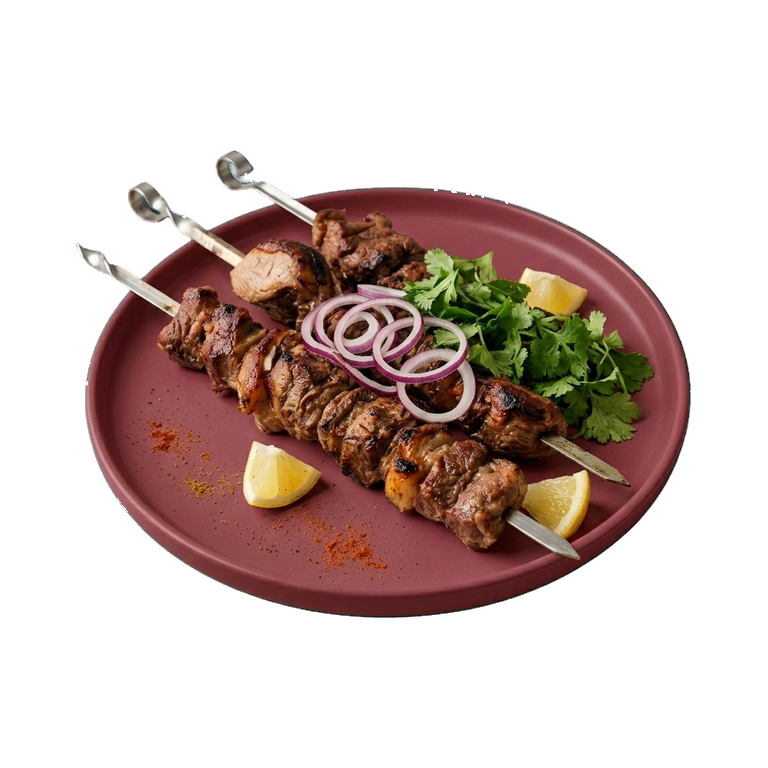
Usuba
Usuba
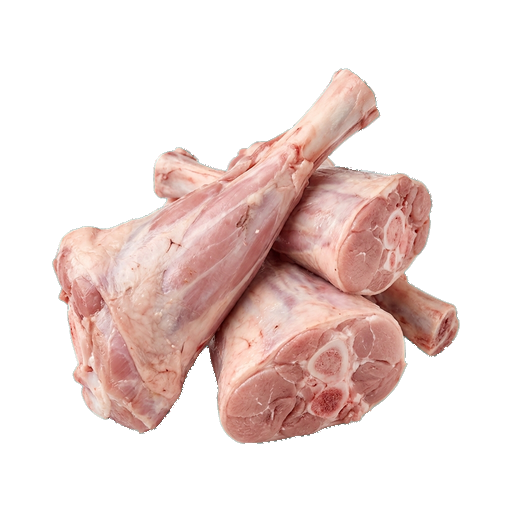
Lamb Legs
Lamb shanks are the lower parts of the front and hind legs of a young ram, containing plenty of connective tissue, cartilage, and bones. The meat on them is thin, but becomes tender with long stewing and releases a rich broth, which is why they are used in soups, stews, and aspics. When selecting, pay attention to the light pink color of the meat and the absence of odor, and before cooking, scald with boiling water and clean thoroughly from dirt.
About
What You Need to Know About Lamb Shanks
Lamb shanks are one of the most rewarding cuts of meat for long braising and cooking. They consist of many small bones, cartilage, and connective tissue that, when properly prepared, transform into rich, gelatinous broth and tender meat. This is not a delicacy, but rather a workhorse ingredient that requires time, but delivers maximum flavor and texture.
Taste and Texture
Lamb shank meat has a characteristic rich flavor with a subtle piquancy. When cooked for several hours, it becomes tender, almost melting in your mouth, and the bone separates easily. The main treasure of shanks is the collagen in the joints and ligaments, which transfers into the broth, making it thick and aromatic. This cut has little fat, so the dish turns out not heavy, despite being satisfying.
Where to use
Lamb shanks are ideal for broths, soups, and stews. They work well in braised dishes with vegetables, as part of pilaf or risotto, where a rich meaty flavor is needed. Traditionally, they are cooked with spices — rosemary, thyme, garlic, and onion. You can also sear the shanks before braising to add depth and caramel notes.
- Strong meat broths and soups
- Stews and braised dishes
- Base for pilaf, risotto, paella
- Dishes with tomato and spicy spices
- Aspic and meat jelly
Cooking time
Don't expect quick results. Lamb shanks require a minimum of 2–3 hours of cooking over medium heat to make the meat tender and the broth rich. In a pressure cooker, the time is reduced by about half. If you are making a stew, first sear the shanks over high heat for 5–7 minutes on each side, then transfer them to a pot with vegetables and simmer on low heat under a lid.
Selection and Storage
Choose lamb shanks with pink or light red meat, without gray coating or unpleasant odor. The bone should be clean, without darkening. The packaging should be airtight, without ice or liquid. Fresh lamb shanks are stored in the refrigerator for 2–3 days, in the freezer — for up to three months.
Practical Tips
- Scald the legs with boiling water and rinse before cooking — this will help avoid cloudy broth
- Add a whole onion, carrot, and celery to the water for deep flavor
- Skim off foam in the first 10–15 minutes of cooking
- Salt at the end of cooking, when the flavor has already developed
- Cool the finished broth — the fat will harden on the surface and be easy to remove
Lamb shanks are an investment of time that pays off handsomely. The dish turns out hearty, aromatic, and gives a sense of home comfort. Don't be afraid to experiment with spices: Eastern spices, Mediterranean herbs, or a classic European approach — shanks work well with any direction.
Nutrition
per 100 g
- Calories
- 170 kcal
- Protein
- 19.5 g
- Fat
- 10 g
- Carbs
- 0 g
Measures and weight
- 1 pcs
- 500 g
Measure calculator
- Weight
- 100 g
- Calories
- 170 kcal