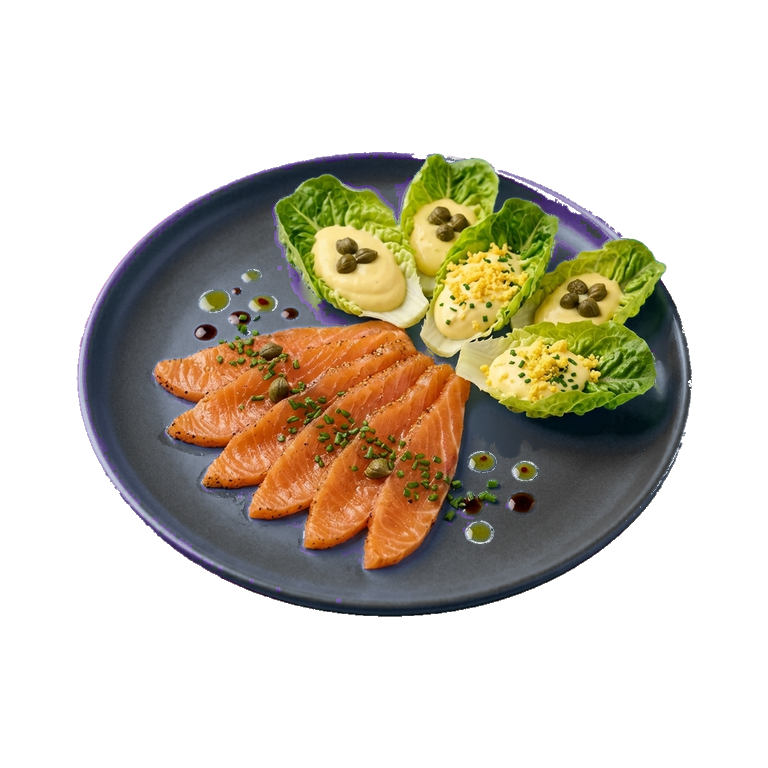
Usuba
Usuba
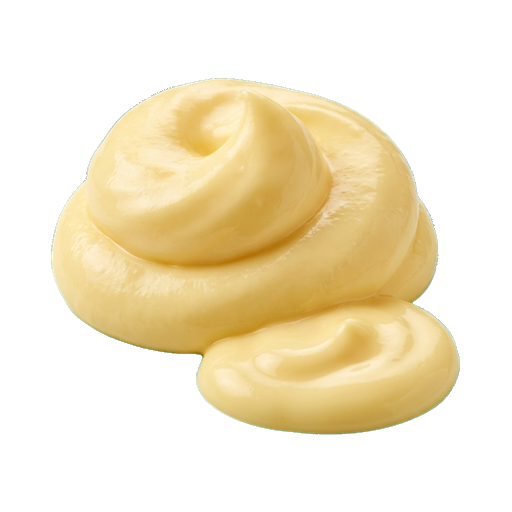
Japanese mayonnaise
Japanese mayonnaise differs from its European counterpart due to a higher yolk content and the use of rice vinegar instead of white vinegar, which gives it a creamy texture and a mild, slightly sweet taste. This plastic emulsion holds its shape well, making it ideal for decorating sushi, rolls, and other Japanese dishes, as well as serving as a standalone sauce. When substituting regular mayonnaise, keep in mind that you will need slightly less volume due to its denser consistency, and the result will be less sweet.
About
Japanese mayonnaise is not just a thinner version of the familiar sauce. It's a completely different approach to what an emulsion of eggs and oil is. It's thicker, richer, and works quite differently in a dish compared to its Western counterparts. If you've ever tried rolls or sushi with a sauce that stayed inside without spreading, and at the same time had a soft, almost creamy taste — that was it.
Taste and Texture
The main difference is consistency. Japanese mayonnaise barely flows—it tends to sit on a plate rather than spread across it. This is because it contains more egg yolks and less oil than classic European or American mayonnaise. The taste is milder, with a barely noticeable sweetness and acidity that doesn't bite your tongue. There's none of that sharpness we're familiar with in regular mayonnaise—here everything is more delicate and balanced.
The aroma is subtle, almost imperceptible, which allows the sauce not to overpower the taste of the main ingredient. This is important in Asian cuisine, where each component should remain recognizable. Often, rice vinegar is added to Japanese mayonnaise instead of regular vinegar, which gives it a light fruity note.
Where to use it
This is a universal sauce for sushi and rolls — it holds its shape, doesn't leak through the nori, and doesn't soften the rice. It's applied in a thin stripe or used as a base for spicy sauces by mixing it with wasabi, sriracha, or hot pepper. In fusion cuisine, it's used for cream soups and fish sauces because it doesn't give a sharp creamy flavor, but only emphasizes the delicacy of the product.
- Sauce for sushi and rolls — main use
- Base for spicy sauces (mix with wasabi, sriracha, hot pepper)
- Dressing for seafood and light fish dishes
- Additive for cream soups and pasta sauces
- Sauce for grilled vegetables and French fries
How to Choose and Store
In stores, Japanese mayonnaise is often sold in narrow plastic tubes with a sharp nozzle — this is convenient for applying to rolls. Check the list of ingredients: it should contain eggs, oil, vinegar and possibly rice vinegar. If you see many preservatives and thickeners — this is not quite what you need. The color should be creamy, uniform, without separation.
Stored in the refrigerator in a closed container — usually from 6 to 12 months, depending on the composition and manufacturer. After opening, use within a month or two. If you bought it in a tube, make sure the nozzle closes tightly, otherwise the sauce will dry out. At room temperature, mayonnaise may start to separate, so take it out of the refrigerator only before use.
Successful Combinations
Japanese mayonnaise works well with seafood — crab, shrimp, squid. Its delicate flavor doesn't overpower the subtlety of fish; it only enhances it. With avocado, it creates a perfect pairing in rolls: the softness of avocado and the creaminess of the sauce complement each other. If you add a bit of lemon juice and mustard to it, you'll get an excellent sauce for chicken fillet or grilled white fish.
- Seafood: crab, shrimp, squid, sea urchin
- Avocado, cucumber, cream cheese in rolls
- Fish: salmon, tuna, white fish
- Spicy ingredients: wasabi, sriracha, chili pepper
- Grilled vegetables: eggplant, zucchini, bell pepper
If you're making sushi at home, Japanese mayonnaise is an investment in quality. It will change your approach to rolls and open up new possibilities for experimenting with sauces. Start with classic applications, and then try mixing it with other ingredients — you'll quickly find your favorite combinations.
Nutrition
per 100 g
- Calories
- 690 kcal
- Protein
- 2 g
- Fat
- 75 g
- Carbs
- 2 g
Measures and weight
- 1 tbsp
- 13.8 g
- 1 tsp
- 4.6 g
- 1 cup
- 230 g
Measure calculator
- Weight
- 100 g
- Calories
- 690 kcal