Usuba
Usuba
Yellow food coloring
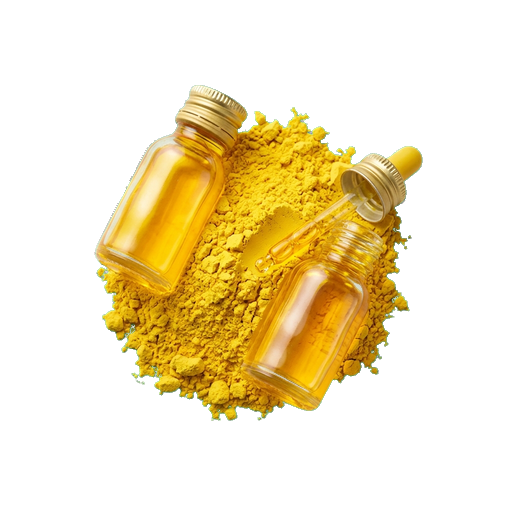
Yellow food coloring is a synthetic or natural substance used to give products a bright yellow hue. It is most commonly found in baked goods, beverages, confectionery items, and sauces, where it helps make a dish more appetizing and visually appealing. When using it, it is important to follow the recommended dosages and verify that the coloring is permitted in your country, as different types of colorings have different restrictions.
About
Yellow food coloring is a kitchen helper when you need to give a dish brightness and an appetizing appearance. It's not magic, but simply a concentrated pigment that distributes evenly in dough, cream, glaze, or a beverage. Working with it is easier than it seems: the main thing is to remember the dosage and introduce it correctly.
How dye behaves in different environments
Yellow food coloring can be either water-soluble or fat-soluble — this affects where you can use it. Water-soluble coloring works well in syrups, milk-based cream, glazes, and fondant. Fat-soluble coloring is better suited for chocolate, buttercream, and oil-enriched dough. If you add water-soluble coloring to chocolate, it will clump and ruin the texture.
Start small: literally a few drops or a pinch of powder. Yellow coloring is intense, and it's easy to overdo it. Add gradually, stir, and check the result. If the coloring is gel-based, dilute it in a teaspoon of water before adding to the dough or cream — this way it will distribute more evenly and there won't be streaks.
Where it is used
- Butter for cream and sandwiches — produces a sunny shade that immediately catches the eye
- Fondant and marzipan — the dye is easily mixed into this plastic mass, giving an even color
- Glazes and icings — the dye does not affect the consistency if added correctly
- Cookie and cake dough — especially good in sugar cookies and sponge cake
- Drinks and cocktails — lemonade, fruit drink or syrup become brighter and more cheerful
- Jelly and mousses — the dye dissolves in the liquid without leaving grains
Practical Tips
If you are working with gel or liquid coloring, use a toothpick or match: dip it in the coloring and mix it with the base. This makes it easier to control the amount. With powder coloring, you can mix it with sugar before adding it to the dry ingredients — this will help avoid lumps.
Store dye in a tightly closed container in a cool place, protected from light. Keep liquid and gel dyes in the refrigerator, powder dyes in a kitchen cabinet. With proper storage, dye will last several years without loss of intensity.
What to pay attention to when choosing
- Check that the food coloring is approved for food use — this should be indicated on the packaging
- Choose a form that is convenient for you: gel provides more control, powder is more economical, liquid dissolves faster
- Pay attention to the shade — yellow can be lemon, golden, or even with an orange undertone
- If cooking for people with allergies, check the ingredients: some colorings contain peanuts or other allergens
Yellow food coloring is a simple tool for creating a festive mood at the table. The main thing is to respect its power and start with small doses. Then your pies, cookies and drinks will not only be delicious, but also beautiful.
Nutrition
per 100 g
- Calories
- 0 kcal
- Protein
- 0 g
- Fat
- 0 g
- Carbs
- 0 g
Measures and weight
- 1 tbsp
- 15 g
- 1 tsp
- 5 g
- 1 cup
- 250 g
Measure calculator
- Weight
- 100 g
- Calories
- 0 kcal