Usuba
Usuba
Green curry paste
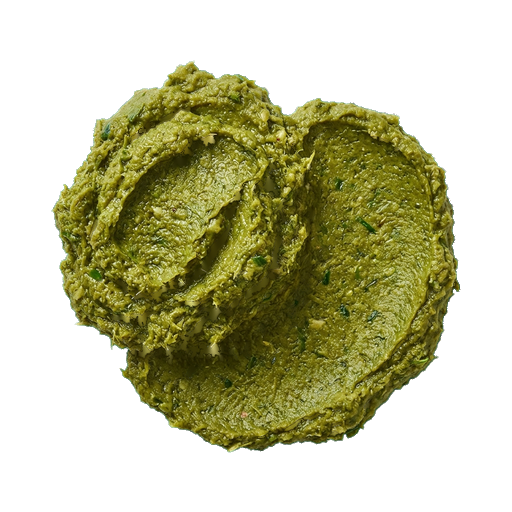
Green curry paste is a spicy paste mixture based on green chilies, lemongrass, galangal, and other spices that serves as the foundation for Thai dishes. The paste has a sharp, herbaceous aroma with a pungent heat and bitter notes that give dishes their characteristic piquant flavor. It is used for preparing curry with coconut milk, marinating meat and fish, and when choosing, it's important to pay attention to consistency — quality paste should be homogeneous without separation, and remember that fresh paste is spicier and more aromatic than paste that has been stored for a long time.
About
Green curry paste is a concentrated blend of spices and herbs that transforms an ordinary dish into an aromatic and multi-layered one. Unlike red or yellow versions, green paste has a fresher, herbaceous character and considerable heat. It is used as a base for sauces, marinades, and soups, adding the desired amount depending on the intensity of flavor you want to achieve.
Aroma and Taste
Opening a jar of green curry paste means inhaling the freshness of basil, lime, and herbs. The taste is simultaneously sharp and refreshing: the heat builds gradually rather than hitting all at once. The palette reveals notes of garlic, ginger, and lemongrass, which create a characteristic Southeast Asian profile. The paste is much more intense than fresh ingredients on their own, so a small amount can completely change the flavor of a dish.
Role in Dishes
Green curry paste works as a bridge between components: it connects meat, vegetables, and sauce into a unified whole, adding depth without the need for prolonged cooking. It is added to coconut milk to create classic curry, mixed with yogurt for marinade, or diluted with lemon juice for dressing. The paste handles fatty ingredients well — meat, cream, coconut milk — and balances them with spiciness and freshness.
Pairings and uses
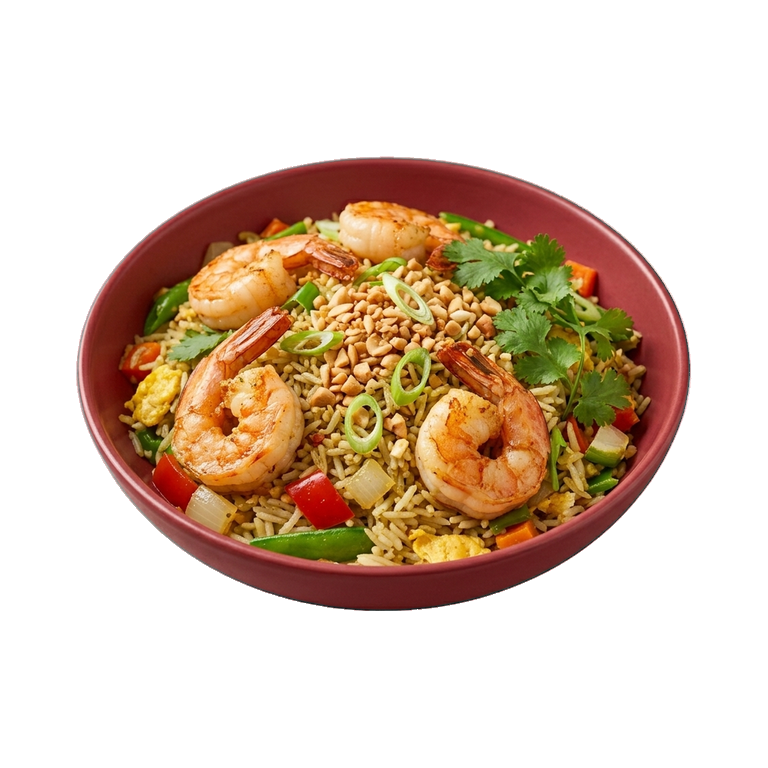
- Curry with chicken or shrimp: paste + coconut milk + vegetables + fish sauce
- Grill marinade: paste + oil + lime + garlic for meat or fish
- Soup: paste + broth + vegetables + cream or milk
- Salad dressing: paste + oil + lime + honey
- Sauce for pasta or rice: paste + butter + cream
Start with one teaspoon of paste per serving and add more to taste. The paste is concentrated, so it's easy to overdo the heat. If the dish becomes too spicy, dilute it with coconut milk, yogurt, or cream — they will soften the burn and add creaminess.
Selection and Storage
When purchasing, pay attention to the consistency: good paste should be homogeneous, without separation and lumps. It's better to check the list of ingredients in advance — quality paste mainly contains spices, herbs and oil, without starch and thickeners. Store an opened jar in the refrigerator in a tightly sealed container; paste usually keeps for several months. If you cook often, you can freeze the paste in small portions in ice cube trays — this way it will remain fresh and convenient to use.
Green curry paste opens up best when lightly fried in oil before adding liquid. This helps the spices release all their aromatic compounds and creates a more rich and full flavor.
Nutrition
per 100 g
- Calories
- 130 kcal
- Protein
- 3 g
- Fat
- 8 g
- Carbs
- 10 g
Measures and weight
- 1 tbsp
- 16.5 g
- 1 tsp
- 5.5 g
- 1 cup
- 275 g
Measure calculator
- Weight
- 100 g
- Calories
- 130 kcal