Usuba
Usuba
Glucose syrup
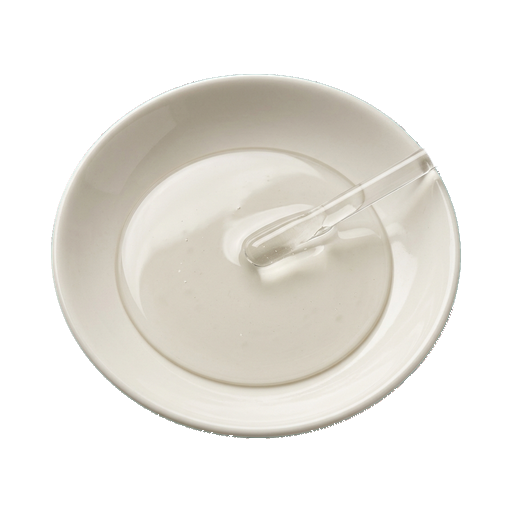
Liquid glucose is a syrup made from corn starch with a neutral taste and viscous consistency, used in the confectionery industry and home baking. It prevents sugar crystallization in candies, fudges, and caramel, makes desserts more pliable, and extends their freshness. When choosing, pay attention to viscosity — a more liquid variant is more convenient to portion, and in recipes it can often be replaced with honey or invert syrup, though this will slightly change the flavor profile of the finished dish.
About
Liquid glucose is a syrup that works completely differently from regular sugar. Its main property is that it does not crystallize and remains viscous with a smooth consistency under any conditions. This is precisely why it has become an indispensable helper in confectionery, where ideal texture and long shelf life of finished products are needed.
Taste and Role in Dishes
Liquid glucose is almost neutral in taste — this allows it not to overpower other aromas and flavors in the recipe. It is sweeter than sugar, but its sweetness is softer, more delicate. When you add it to dough, cream, or filling, it doesn't just sweeten — it makes the texture more tender, prevents crystallization, and helps products stay soft longer.
In confectionery production, liquid glucose solves specific tasks: it stabilizes fondant, makes caramel more plastic, helps retain moisture in cookies and cakes. It is precisely because of it that candies and pralines remain soft even after months of storage.
Where and how to use it
- Fondant and glaze — liquid glucose makes them smooth and shiny, prevents streaks when hardening
- Caramel and taffy — adds plasticity, makes cutting easier, prevents crystallization
- Buttercreams and ganaches — improves texture, makes consistency more stable
- Cookies and cakes — keeps softness and moisture, slows staling
- Ice cream and sorbets — prevents formation of large ice crystals
Liquid glucose is usually added in small amounts — from 5 to 20% of the weight of sugar in the recipe. It can be mixed with other ingredients at room temperature, although sometimes it is slightly heated for better distribution. The main thing is not to overcomplicate it: in most cases, it simply replaces part of the regular sugar.
Selection and Storage
When choosing, pay attention to consistency: quality liquid glucose should be homogeneous, without lumps or stratification. The color varies from transparent to light yellow — this is normal. Check the expiration date: the fresher the product, the better its properties.
Liquid glucose is stored in a tightly sealed container at room temperature, away from direct sunlight. When stored properly, it can remain usable for several months. If the syrup thickens or becomes more viscous, it can be gently heated in a water bath — the consistency will be restored. The main thing is to prevent moisture and foreign particles from entering the jar.
Liquid glucose is not an exotic ingredient, but a practical helper that makes confectionery products better. If you're making fondant, caramel, or want your cookies to stay soft longer, it will definitely come in handy. Start with small additions and you'll feel the difference in the quality of your finished dishes.
Nutrition
per 100 g
- Calories
- 316 kcal
- Protein
- 0 g
- Fat
- 0 g
- Carbs
- 79 g
Measures and weight
- 1 tbsp
- 21 g
- 1 tsp
- 7 g
- 1 cup
- 350 g
Measure calculator
- Weight
- 100 g
- Calories
- 316 kcal