Usuba
Usuba
Absinthe
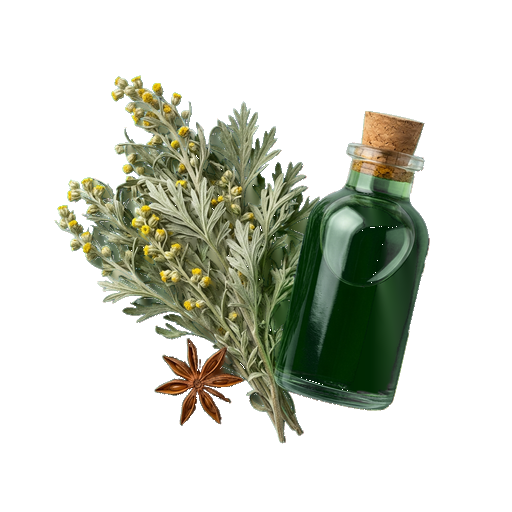
A strong alcoholic spirit with a characteristic anise aroma and bitter aftertaste, made from wormwood, anise, and other herbs. In cooking, it is used for preparing cocktails, sauces, and desserts, where its intense flavor requires careful dosing. When substituting absinthe in recipes, you can use anise vodka or wormwood-infused liqueur, although the flavor profile will be less complex.
About
Aroma and taste
Absinthe is a strong alcoholic drink that you recognize from the first sip. Its main characteristic is a sharp anise flavor with herbal notes. You feel the bitterness of wormwood in your mouth, which gives the drink its characteristic aftertaste. The smell is intense, spicy, slightly medicinal — this is normal and even desirable for quality absinthe.
When absinthe is diluted with water, its color changes from green or yellow to milky white — this phenomenon is called the louche effect. The taste becomes softer, and the aroma reveals itself more fully. This is how it was traditionally consumed, slowly, savoring each sip.
Role in Cooking
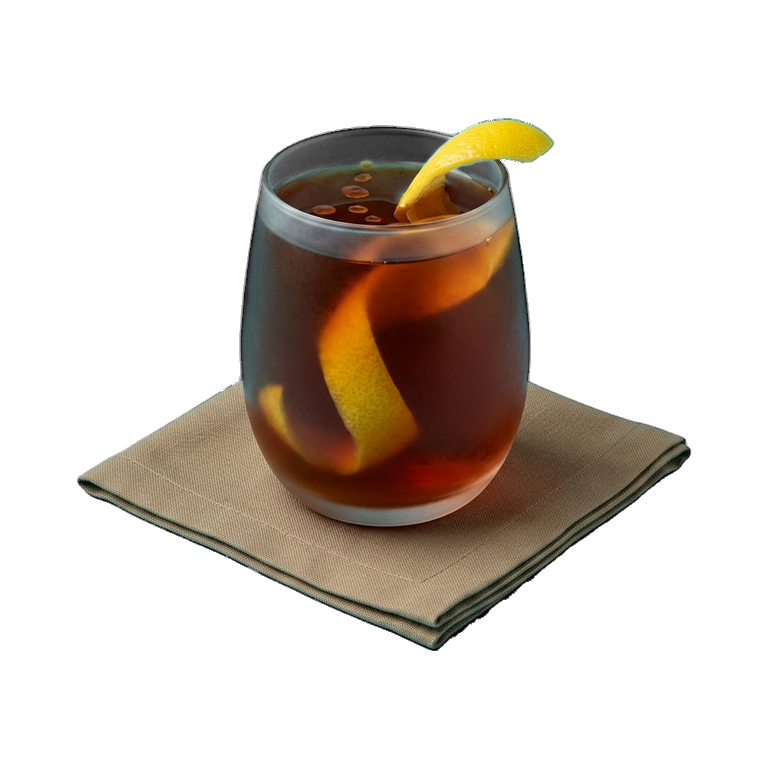
In the kitchen, absinthe works primarily as a cocktail ingredient. It adds depth and complexity to drinks, giving them a recognizable herbal profile. Even a small amount of absinthe is capable of changing the character of an entire cocktail, which is why it is used in measured amounts — several milliliters per serving.
In cooking, absinthe is encountered less frequently, but it is used in sauces, especially for seafood and fish. A few drops are added to marinades and salad dressings. When heated, the alcohol evaporates, leaving a characteristic taste of wormwood and anise, which nicely enhances delicate dishes.
Pairings and Uses
- Classic cocktails: Sazerac, Corpse Reviver, Death in the Afternoon
- Seafood: oysters, shrimp, crab meat
- Fish: salmon, trout, delicate white fish
- Cream and broth-based sauces
- Desserts with herbal notes and bitter accents
Selection and Storage
When choosing absinthe, focus on its alcohol content — typically 55–72 degrees. The color can be green (the classic variety), yellow, or even reddish depending on the production method and aging. Quality absinthe should have a pronounced aroma of wormwood and anise, without any chemical impurities.
Absinthe is stored in a tightly sealed bottle in a dark, cool place, away from direct sunlight. The high alcohol content ensures that the drink will last for years and even decades. After opening the bottle, absinthe will not spoil, but its aroma may become duller over time, so it's best to use it within a year or two.
In cooking, absinthe is a spice, not a main ingredient. Start with small doses: a few milliliters per cocktail serving or a drop or two in a sauce. The taste of wormwood is intense, and it's easy to overdo it. Taste as you go and add gradually until you find the perfect balance for your dish.
Nutrition
per 100 ml
- Calories
- 250 kcal
- Protein
- 0 g
- Fat
- 0 g
- Carbs
- 0 g
Measures and weight
- 1 tbsp
- 14 g
- 1 tsp
- 4.7 g
- 1 cup
- 232.5 g
Measure calculator
- Weight
- 100 g
- Calories
- 269 kcal