Usuba
Usuba
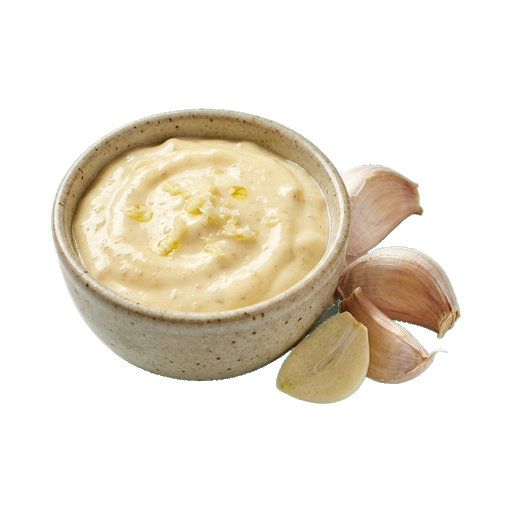
Aioli
An emulsified sauce based on garlic and olive oil with the addition of egg, which gives dishes a rich garlic flavor and creamy consistency. Aioli is used as a dip for vegetables and bread, added to fish, seafood and French fries, and also served with soups and side dishes. When preparing, it is important to slowly introduce oil into the garlic-egg mixture to prevent the sauce from separating, and to use fresh garlic, which provides pungency and aroma.
About
Aioli is a thick sauce made from garlic, olive oil, and egg. Its consistency is similar to mayonnaise, but the character is quite different: garlic here is not a modest guest, but the main protagonist. The sauce turns out creamy, with a bright piquant flavor and a subtle aroma of olive oil. It is one of those sauces that you immediately recognize and remember.
Aroma and Taste
The garlic in aioli doesn't burn or overpower — it unfolds gently and confidently, especially when using fresh, quality garlic. Olive oil adds fruity notes and a subtle bitterness at the finish. When the sauce is well-made, you get a harmonious balance: garlicky piquancy, creamy tenderness, light saltiness. The flavor is rich, but not aggressive.
Role in dishes
Aioli is versatile: it pairs equally well with seafood, fish, vegetables, and bread. Serve it with fried shrimp or squid — the sauce will enhance their sweetness. Add a spoonful to baked potatoes or vegetable sticks — you'll get a simple yet impressive dish. The sauce works as a dip, as a spread for sandwiches, and as a dressing for seafood salad.
Pairings and Uses
- Seafood: shrimp, mussels, squid, white fish — aioli emphasizes their tenderness
- Vegetables: baked potatoes, carrots, celery, tomatoes, grilled eggplant
- Bread and croutons: ideal as a dip for crispy bread or a side to soups
- Meat: pairs well with chicken and veal, especially when grilled
- Salads: add as a dressing to salads with seafood or vegetables
Selection and Storage
If you're buying ready-made sauce, pay attention to the ingredients: it should contain egg, olive oil, garlic, and salt. Avoid options with thickeners and preservatives — they change the taste. Store aioli in the refrigerator in a glass jar for no more than a week. If you're making it at home, use fresh eggs at room temperature — this helps the sauce emulsify better and makes it more stable.
Cooking at home
Making aioli is simple, but it requires care. Crush garlic with salt in a mortar until it forms a paste. Add an egg yolk and begin slowly pouring in olive oil, stirring constantly. The oil should be added literally drop by drop at first — this will keep the emulsion stable. When the sauce begins to thicken, you can pour the oil in a thin stream. If the sauce breaks, start with a new yolk and gradually add the broken mixture.
Practical Tips
- All ingredients should be at room temperature — cold eggs and butter will not emulsify
- If the sauce turns out too sharp, dilute it with a small amount of water or lemon juice
- Garlic can be pre-roasted — then the sauce will be softer and sweeter
- Experiment with flavor: add a bit of lemon juice, white wine, or hot water to change the consistency
Nutrition
per 100 g
- Calories
- 650 kcal
- Protein
- 1.5 g
- Fat
- 70 g
- Carbs
- 3 g
Measures and weight
- 1 tbsp
- 14.3 g
- 1 tsp
- 4.8 g
- 1 cup
- 237.5 g
Measure calculator
- Weight
- 100 g
- Calories
- 650 kcal