Usuba
Usuba
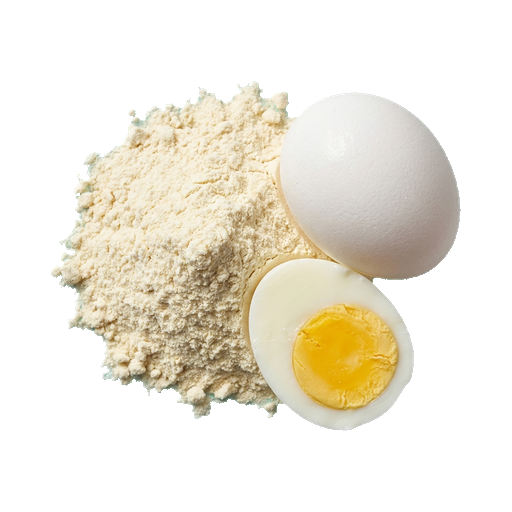
Albumin
Albumin is a protein product derived from chicken eggs through the separation and drying of egg white. In cooking, it is used as a stabilizer and thickener to create a fluffy consistency in mousses, soufflés, meringues, and creams, and also helps improve the structure of certain types of dough. When using albumin, it is important to properly dissolve the dry powder in cold water before adding it to the dish, as it is temperature-sensitive and requires careful handling to maintain its airy quality.
About
Albumin is a protein powder obtained from egg white or blood serum. In cooking, egg albumin is most often used: it is stable, easy to store, and works predictably. It is one of the purest sources of protein, with almost no fat and carbohydrates.
The main property of albumin is its ability to form foam and maintain structure. When you whip it with liquid, it captures air and creates a stable, long-lasting foam that doesn't settle quickly. This quality makes it indispensable in confectionery and molecular cuisine.
Taste and Aroma
Albumin is almost neutral in taste — this is its main advantage. It doesn't add foreign notes and doesn't overpower the flavor profile of the dish. The smell is also minimal, which makes it possible to use it in any sweet and even non-sweet recipes without the risk of spoiling the taste harmony.
Where albumin is used
In traditional confectionery, albumin saves recipes when egg whites are needed, but fresh eggs are unavailable or undesirable. It is ideal for meringues, soufflés, mousses, and pastry creams — anywhere an airy, stable structure is required.
- Meringues and merengues — albumin provides stable, glossy foam that doesn't settle for hours
- Mousses and soufflés — ensures lightness and airiness without risk of separation
- Molecular cuisine — used to create foams and spherification
- Creams and glazes — helps achieve the desired consistency and stability
How to Choose and Store
Albumin is sold as a white or cream-colored powder in hermetic packaging. When purchasing, check that the package is intact and has no lumps — this is a sign of moisture exposure. Pay attention to the production date: fresh albumin works better.
Store albumin in a dry, cool place, away from direct sunlight. Airtight packaging or a glass jar with a tight-fitting lid is ideal. When stored properly, the powder retains its properties for a year or longer. The main thing is to prevent moisture.
Dosage and Technique
A typical proportion is 1 teaspoon of albumin per 30 ml of water or other liquid. First, dissolve the powder in cold liquid, then you can whip it. Do not use hot water — it will curdle the protein and it won't produce foam.
Whisk the egg whites at high speed with a mixer or whisk until stiff, glossy peaks form. The process takes 5–10 minutes. The finished foam should hold peaks and not collapse at room temperature for several hours.
What pairs well with
Albumin is versatile and works well with any flavors. It can be sweetened with sugar for classic meringues, or enhanced with vanilla, lemon juice, cocoa powder, or food coloring. In savory dishes, albumin helps create foam for garnishes and appetizers.
- With sugar and citric acid — a classic combination for meringue
- With cocoa, coffee, vanilla — for flavored foams and mousses
- With fruit purees — for colored and delicious soufflés
- With herbs and spices — for experiments in molecular gastronomy
Practical tip
If you are working with albumin for the first time, start with a small amount. Even a teaspoon of powder produces surprisingly much foam — often more than needed. It is better to add more than to overdo it and spoil the recipe. And remember: albumin is afraid of fat — even a drop of oil or egg yolk in the dish will prevent whisking.
Nutrition
per 100 g
- Calories
- 335 kcal
- Protein
- 82 g
- Fat
- 0.1 g
- Carbs
- 0.8 g
Measures and weight
- 1 tbsp
- 6 g
- 1 tsp
- 2 g
- 1 cup
- 100 g
Measure calculator
- Weight
- 100 g
- Calories
- 335 kcal