Usuba
Usuba
Aleppo pepper
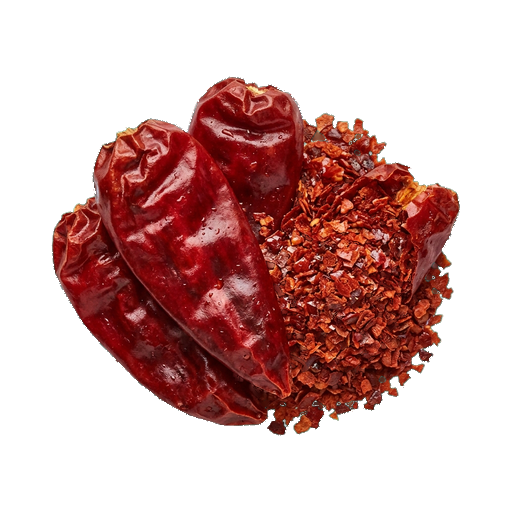
A hot pepper with a distinctive wine aroma and fruity notes, produced from a variety grown in the Aleppo region. It has medium heat, a deep red color, and a slightly oily texture, making it a versatile addition to meat dishes, soups, and sauces. When selecting, pay attention to aroma intensity and moisture content — quality pepper should be slightly moist and have a rich smell rather than a musty odor.
About
Aleppo pepper is not a hot spice in the classical sense. It is rather an aromatic semi-sweet pepper with fruity notes and a mild heat that unfolds slowly, without burning the tongue. It is often confused with regular red pepper, but the flavor profile is quite different: there is more depth and complexity here than aggressive heat.
Aroma and Taste
Aleppo pepper smells of dried tomatoes, raisins, and a light smokiness. In taste — first comes fruity sweetness, then a delicate heat that doesn't burn but warms. The texture of the granules is oily, almost sticky, because there are residues of oil from the seeds in the composition. This makes it ideal for sprinkling on finished dishes: the granules don't crumble but stick to the surface, creating an even layer of aroma.
Role in dishes
- Finishing spice for soups, especially tomato and legume-based ones — adds warmth without heat
- Seasoning for grilled or oven-baked meat — fruity notes enhance smoky flavors
- Component for marinades and sauces for fish and seafood
- Topping for hummus, yogurt sauces, cheese, and olives — creates beautiful contrast
- Element in spice blends as a milder alternative to cayenne pepper
Pairings
Aleppo pepper sounds great with cumin, coriander, and black pepper in Eastern dishes. In Mediterranean cuisine, it works well with oregano, thyme, and olive oil. It doesn't conflict with garlic, onion, and tomatoes. It behaves interestingly alongside sweet spices — cinnamon and cloves — in meat ragus and stewed dishes.
Selection and Storage
Choose Aleppo pepper with a bright burgundy-red color and visible oily granules. If the spice looks dry and faded, it has lost its aroma. The smell should be fruity and slightly smoky, without mustiness.
- Store in an airtight glass jar away from light and heat
- The ideal place is a cool cabinet or refrigerator, as the oil in the composition can oxidize
- Shelf life is up to one year, but it's better to use it within 6 months for maximum aroma
- Do not grind it into powder in advance: granules retain flavor longer
Add Aleppo pepper at the end of cooking or just before serving. Its aroma and fruity notes are better revealed on the finished dish rather than during the cooking process.
Nutrition
per 100 g
- Calories
- 320 kcal
- Protein
- 12 g
- Fat
- 17 g
- Carbs
- 35 g
Measures and weight
- 1 tbsp
- 7.5 g
- 1 tsp
- 2.5 g
- 1 cup
- 125 g
Measure calculator
- Weight
- 100 g
- Calories
- 320 kcal