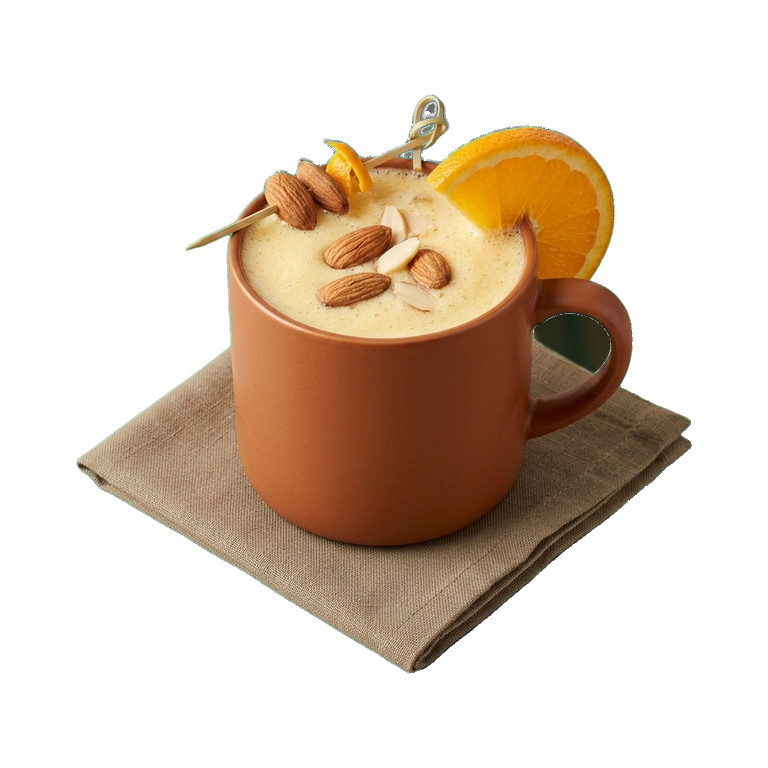
Usuba
Usuba
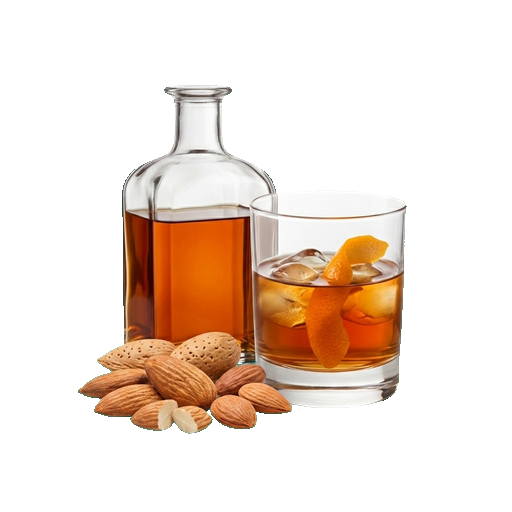
Amaretto Liqueur
A sweet liqueur with pronounced almond aroma and bitter apricot kernel notes, though often produced without natural almonds. Used in cocktails, desserts, and baking to add almond flavor and gentle sweetness, pairs well with coffee and cream sauces. When selecting, pay attention to alcohol content (usually 20–30%) and sugar levels, as these affect the sweetness of the dish and the balance of the drink.
About
Amaretto is a sweet liqueur with a pronounced almond and stone fruit aroma. Its thick consistency and soft, enveloping taste make it a versatile helper in the kitchen. In cooking, amaretto works not only in cocktails, but also in desserts, sauces, and even main dishes where delicate sweetness and deep nutty undertones are needed.
Aroma and Flavor
Amaretto smells of fresh almonds, but it's not a sharp scent — rather, warm and slightly sweet. On the inhale, you can feel a subtle fruity note, as if apricot or peach are hidden in the liqueur. In the mouth, the drink unfolds slowly: first comes a wave of sweetness, then a slightly bitter almond aftertaste emerges, which balances the sugar and gives the liqueur complexity. The alcohol content usually ranges from 20 to 30 degrees, so the spirit is felt softly, without burning.
Role in dishes and drinks
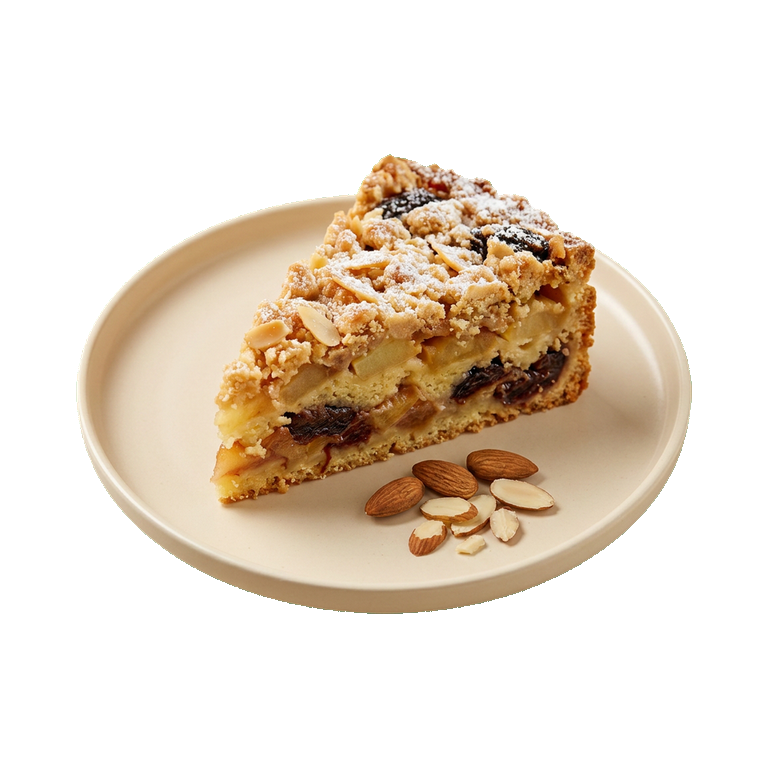
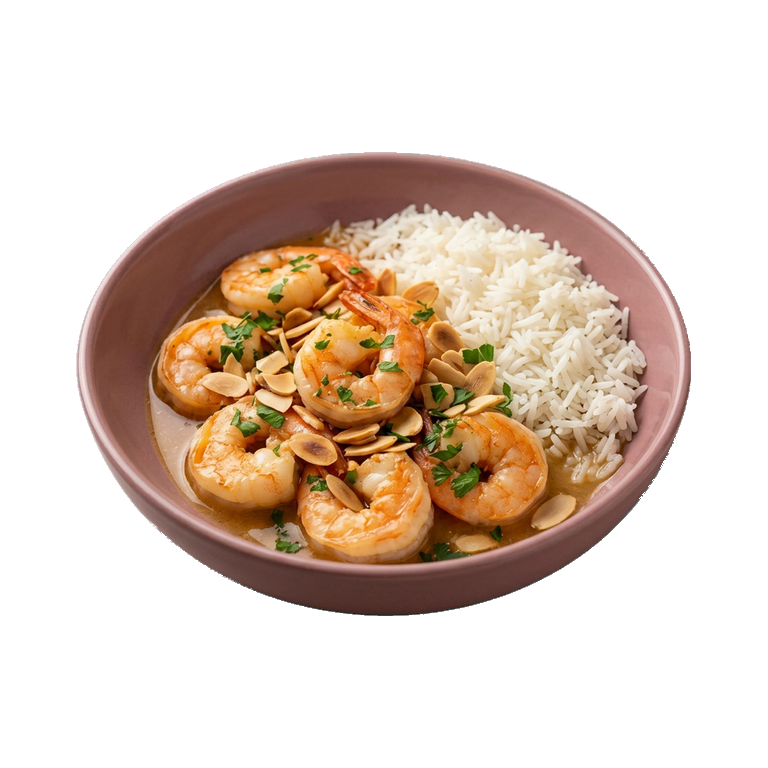
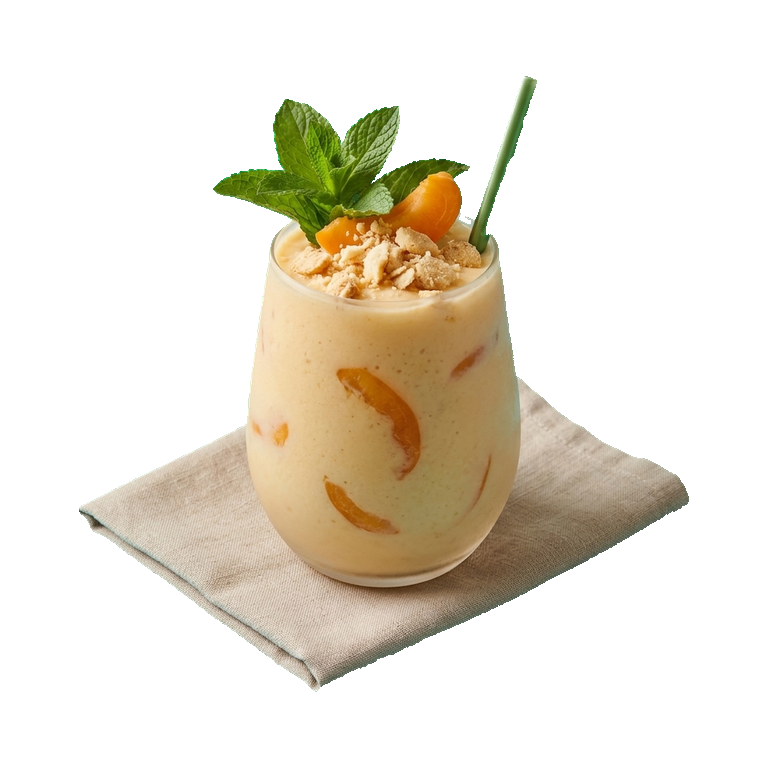
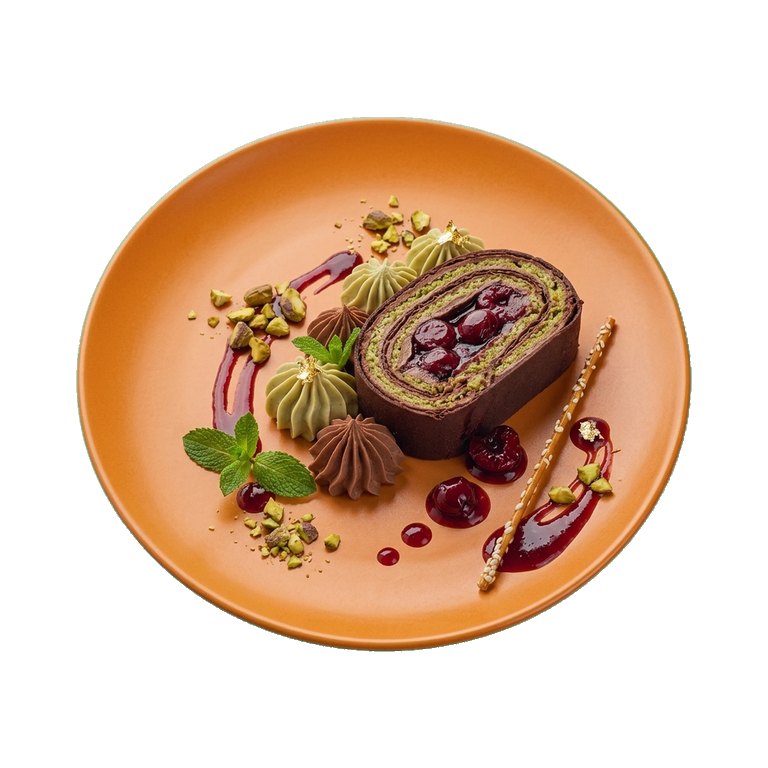
In sweet desserts, amaretto works as a flavor enhancer: a few spoonfuls added to cookie dough or cream give it depth without overpowering the main ingredients. The liqueur pairs well with chocolate, cream cheese, and vanilla. In sauces for meat or poultry, amaretto creates an interesting contrast between sweetness and savory notes. For beverages, amaretto is a classic base for cocktails and long drinks mixed with coffee, milk, or cream.
Successful Pairings
- Chocolate, cocoa and cocoa powder — a classic pair that enhances the nutty background
- Butter and cream cheese — soften the bitterness and make the taste more rounded
- Vanilla and cinnamon — complement the spicy sweetness of the liqueur
- Coffee — a classic combination for creams, mousses and beverages
- Pear, apple and apricot — fruits highlight hidden fruity notes
- Red meat and game — amaretto in sauce adds sweetness that balances the richness
Selection and Storage
When purchasing, pay attention to the color: amaretto should be amber-brown or light brown, without cloudiness. Check the bottle's seal — the liqueur is sensitive to air. Store amaretto in a cool, light-protected place, away from heat sources. After opening, the bottle remains suitable for several months if tightly sealed. A partially sealed or frequently opened liqueur quickly loses its aroma and may begin to oxidize.
Practical Tips
- Start with small amounts — amaretto is sweet, and it's easy to overdo it. One or two tablespoons are often enough for a dessert for four people
- Add the liqueur at the end of cooking or to an already cooled dish if you want to preserve its aroma
- For meat sauces, you can warm the amaretto slightly to allow the alcohol to evaporate, but the aroma will remain
- If a recipe calls for amaretto and you don't have it, try replacing it with blackcurrant or apricot liqueur, but keep in mind that the taste will change
Nutrition
per 100 ml
- Calories
- 265 kcal
- Protein
- 0 g
- Fat
- 0 g
- Carbs
- 20.5 g
Measures and weight
- 1 tbsp
- 15.6 g
- 1 tsp
- 5.2 g
- 1 cup
- 260 g
Measure calculator
- Weight
- 100 g
- Calories
- 255 kcal