Usuba
Usuba
Apples
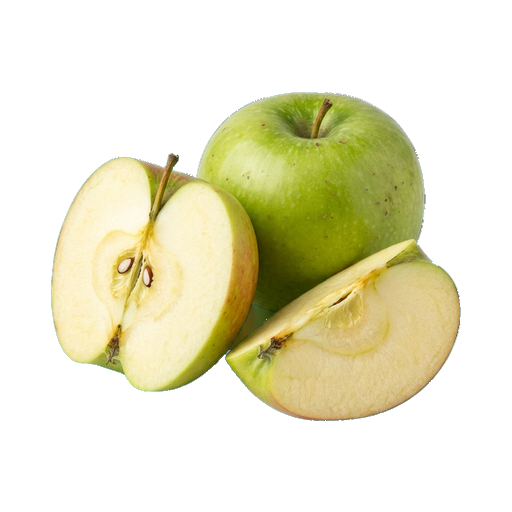
Apples are a versatile fruit with crispy flesh and a tart-sweet flavor that varies depending on the variety. They work well in fresh salads, compotes, jams, baked goods, and sauces, as they soften and break down easily when heated. When choosing apples for cooking, it is important to consider their acidity and density: tart varieties hold their shape better in pies, while sweet varieties break down faster in compotes and purees.
About
Apples are one of the most versatile fruits in the kitchen. They work everywhere: in salads and side dishes, in sweet pies and fermented dairy desserts, in meat sauces and even in beverages. The main thing is to understand which variety to choose for a specific dish, because sour apples behave quite differently from sweet ones.
Taste and Aroma
The flavor profile of an apple depends on its variety and degree of ripeness. Tart varieties (Granny Smith, Simirenko) hold their shape during cooking and don't fall apart, making them ideal for compotes, mousses, and pie fillings. Sweet and neutral varieties (Fuji, Golden, Idared) soften more quickly and are suitable for purees, smoothies, and desserts where a tender consistency is needed. Intermediate varieties (Jonagold, Gala) are versatile and work both ways.
Apple aroma is its main feature in the kitchen. Fresh apples smell more intense than ones stored for months. During heat treatment, the aroma becomes softer and sweeter, with honey and vanilla notes appearing. This helps when creating complex sauces and desserts — apple easily adapts to surrounding ingredients.
Role in dishes
- In salads: fresh apples add crunch and a light tartness, work well with cheese, nuts, and dark greens
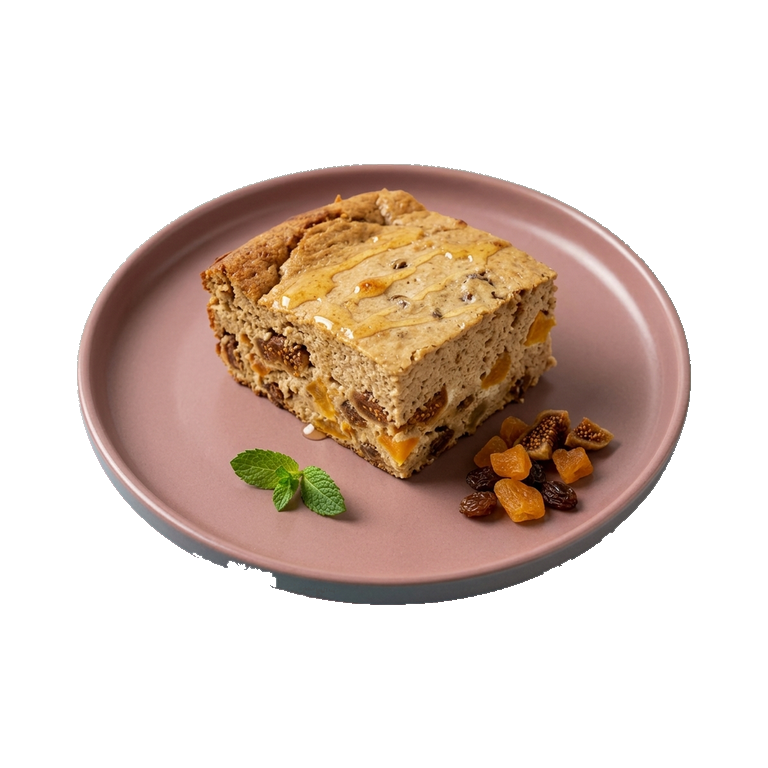
- In baking: sour varieties hold their shape in pies, sweet ones provide tender filling for buns and cupcakes
- In sauces: applesauce or grated apple balances fatty meat (duck, pork, goose) and adds depth
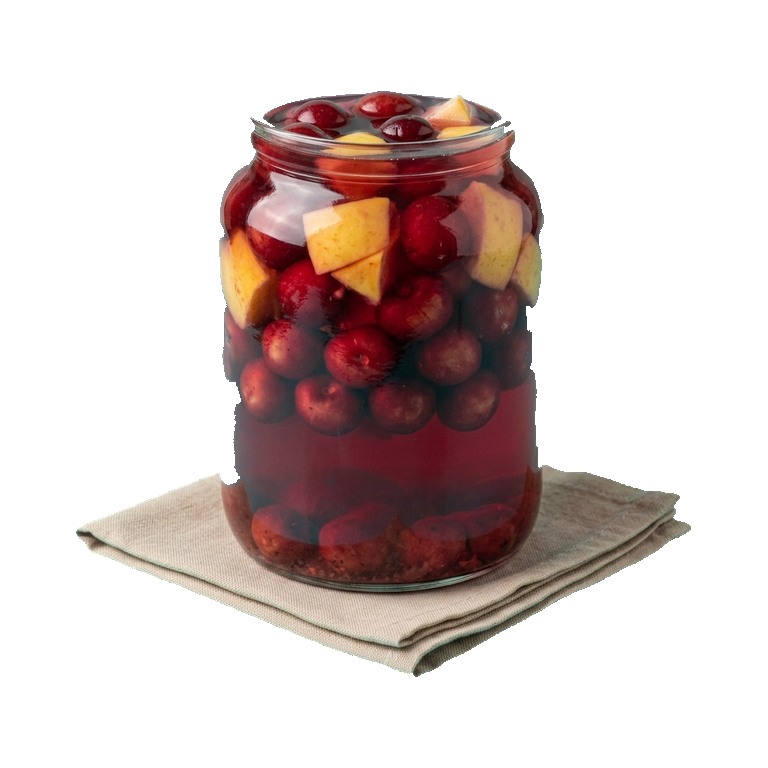
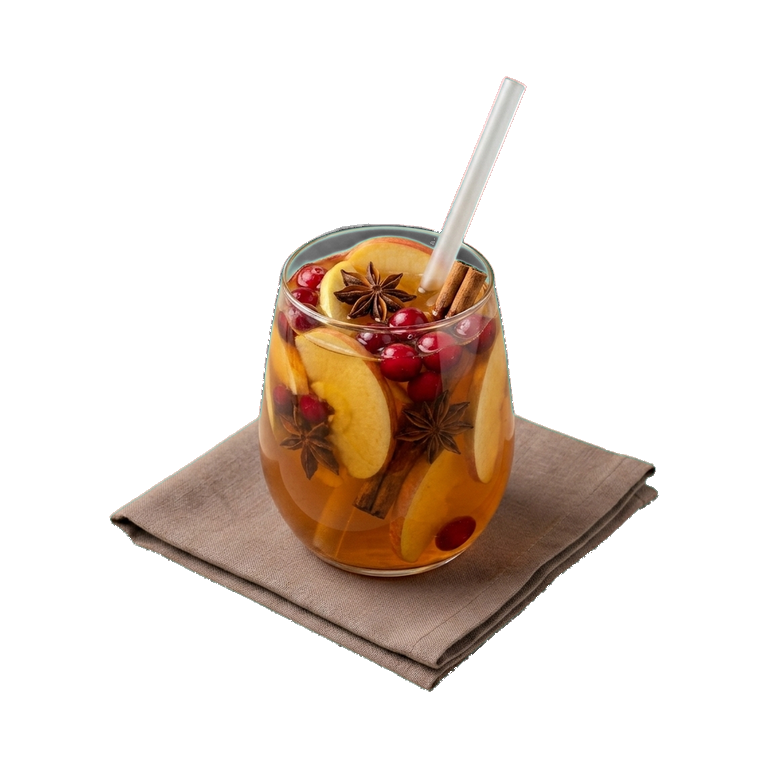
- In beverages: compotes, fruit drinks, cider — apple is the base that doesn't overpower other flavors
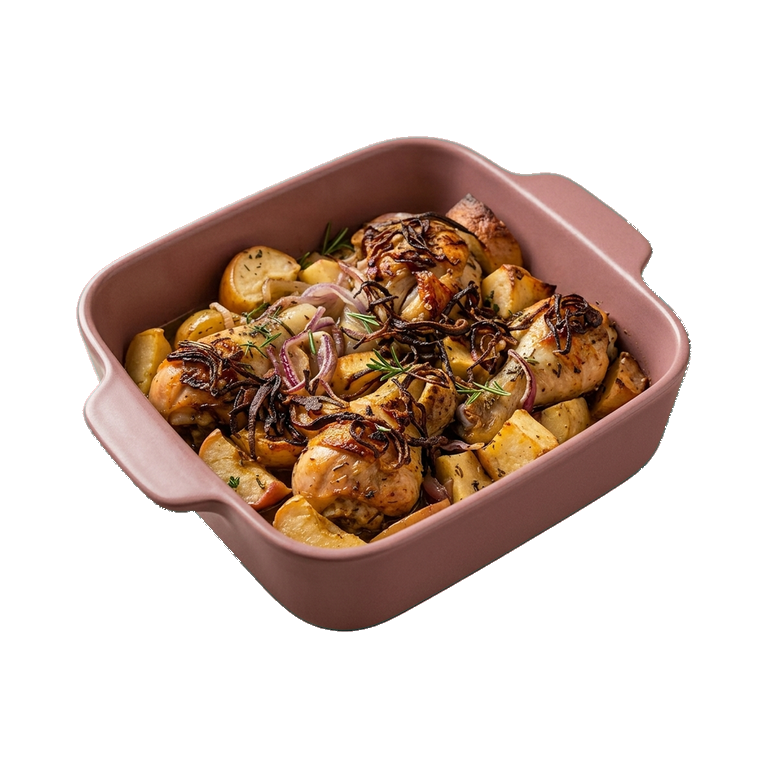
- In side dishes: baked apple or stewed with spices becomes a full-fledged side dish for poultry
Combinations and Techniques
Apple pairs well with cinnamon, cloves, and cardamom — these spices enhance its natural sweetness. With vanilla and honey, you get a classic dessert duo. Lemon juice prevents apple from browning in the air and highlights its tartness. Nut butter, walnuts, and almonds create an interesting texture contrast.
If you want the apple to remain crispy in the dish, add it at the last moment. For puree, cut it into smaller pieces and cook over medium heat — large pieces cook unevenly. If you're making sauce, press the apple through a sieve for a smooth consistency or leave chunks if you want texture.
Selection and Storage
When buying, pay attention to the density of the fruit — it should not be soft or have dents. Smell is a reliable indicator of freshness: a ripe apple smells more pronounced. The skin should be smooth, without dark spots (they indicate beginning rot). If apples are bought in a supermarket and look too smooth and shiny, they may be treated with wax for long-term storage — this is normal, but before use it is better to wash them with warm water.
It's best to store apples in the refrigerator in a separate compartment or bag — they release ethylene, which accelerates the ripening of other vegetables and fruits. At a temperature of 0–4 degrees Celsius, they retain freshness for 2–4 weeks depending on the variety. Acidic varieties last longer. If an apple starts to darken on the cut surface, this is normal — oxidation does not affect the taste, but for aesthetics, you can spritz the cut with lemon juice.
Nutrition
per 100 g
- Calories
- 52 kcal
- Protein
- 0.3 g
- Fat
- 0.2 g
- Carbs
- 13.8 g
Measures and weight
- 1 pcs
- 182 g
Measure calculator
- Weight
- 100 g
- Calories
- 52 kcal