Usuba
Usuba
Arishta
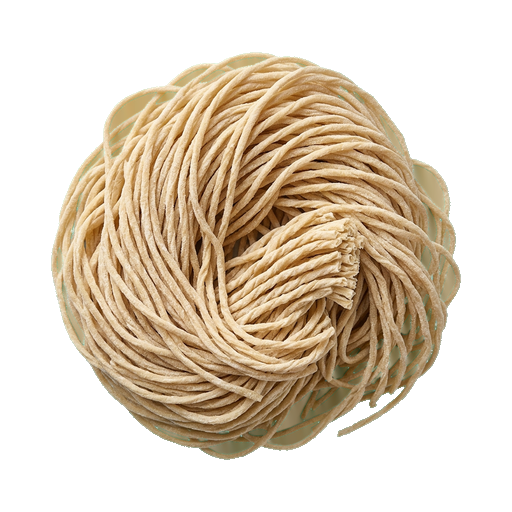
Arishta is a thin noodle made from wheat flour, characteristic of Central Asian and Caucasian cuisine. It is made by hand, twisting dough into long spiral strands, which are then dried. In dishes, arishta provides a delicate texture and serves as a base for soups, pilaf, and other hot dishes, absorbing broth and sauces well.
About
Arishta is a thin noodle resembling hair that has become the foundation of many dishes in the Middle East and Mediterranean. Its name translates to "hair" or "thread," which perfectly describes its appearance. In cooking, arishta is valued for its ability to absorb sauces and broths while remaining elastic and not falling apart.
What it looks like and what it resembles
Arishta is a very thin pasta, often thinner than spaghetti, sometimes even thinner than a hair. It can be straight or rolled into nests. The finished noodles have a light yellow color, and when cooked, they become softer but retain their structure. The texture of cooked arishta is delicate, almost silky, if not overcooked.
Taste and Use
Arishta itself is neutral in taste — it is an ideal canvas for other ingredients. Its main role in a dish is to absorb the aromas of broths, oils, and spices. Due to the thinness of the noodles, it cooks quickly, usually in 5–8 minutes, which makes it convenient for everyday cooking.
Where it is used
- In soups — arishta is perfect for light broths with vegetables or meat, without overpowering the main dish
- In pilaf and rice dishes — sometimes mixed with rice or served separately as a side dish
- In casseroles — a layer of arishta holds its shape well and absorbs sauce
- In sweet dishes — in some Eastern recipes arishta is cooked in syrup with nuts and spices
Combinations with spices and ingredients
Arisht pairs well with rich broths based on chicken or lamb. It is complemented by cinnamon, cloves, cardamom, black pepper, and turmeric. In lighter versions, fresh herbs, lemon, and olive oil work well. For sweet versions, honey, raisins, almonds, and pistachios are used.
How to Choose and Store
When purchasing, pay attention to the color — arishta should be uniformly yellow, without dark spots or signs of moisture. The noodles should not break under slight pressure. Store arishta in an airtight container in a cool, dry place — this way it will keep for several months. If the noodles have become damp, it is better not to use them, as they may cook unevenly.
Cooking Tips
- Do not overcook — check for doneness after just 5 minutes of cooking, as arishta can quickly become soft
- If you cook it in broth instead of water, you'll get a more aromatic dish
- Before cooking, you can lightly fry the dry pasta in oil — this will add a nutty flavor and make the texture more elastic
- For soups, arishta is often added at the end of cooking to prevent it from overcooking in the boiling broth
Arishta is a versatile ingredient that easily fits into any cuisine. Its delicacy and ability to absorb flavors make it an ideal choice for experimenting with broths and sauces. Try it in a simple soup or traditional dish — the result will surprise you.
Nutrition
per 100 g
- Calories
- 350 kcal
- Protein
- 12 g
- Fat
- 1.5 g
- Carbs
- 72 g
Measure calculator
- Weight
- 100 g
- Calories
- 350 kcal