Usuba
Usuba
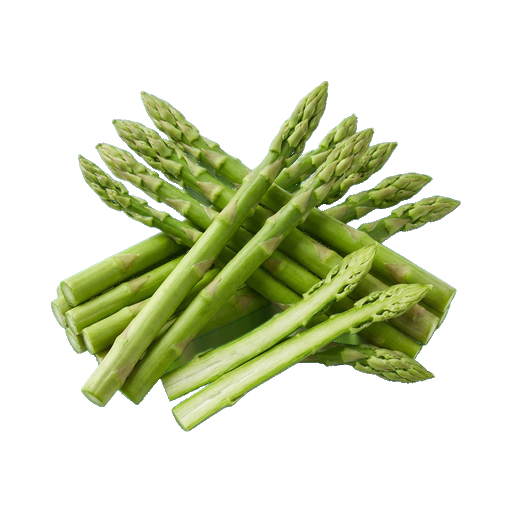
Baby asparagus, green
Green mini asparagus — young asparagus shoots with a tender structure and thin stems that are completely edible, including the head and stem. Distinguished by a fresh, slightly herbaceous flavor with delicate sweetness and a crispy texture when minimally heat-treated. Perfect for quick pan-frying, grilling, or adding to salads, as it cooks in 2–3 minutes and requires no peeling, unlike regular asparagus.
About
Green mini asparagus consists of young asparagus shoots harvested at an early stage of development when the plant is still very thin and tender. Unlike regular asparagus, its stems remain thin along their entire length, with tightly closed tips. The entire shoot is edible as a whole, including the top and stem, making it convenient to work with and economical to use.
Taste and Aroma
Young asparagus has a more delicate and sweet taste than its mature counterparts. Herbaceous notes here are softer, almost delicate, with a barely perceptible bitterness on the finish. With proper heat treatment, asparagus reveals green, slightly nutty undertones. The texture is crispy but not tough — the flesh remains juicy even with intensive heating.
Role in Dishes
- Quick side dishes on a skillet or grill — asparagus cooks in 3–5 minutes
- Salads in raw or lightly blanched form, with contrasting dressings
- Light appetizers and vegetable assortments on the table
- Component in Asian wok dishes and stir-fries
- Garnish and filler for egg dishes, pastas, and creamy sauces
Cooking Methods
Mini asparagus is versatile: you can sauté it in a pan with butter and garlic, grill it or roast it in the oven at high temperature, blanch it in salted water, stew it in broth, or add it in the last minutes of cooking to other ingredients. The main thing is not to overcook it in order to preserve the crunch and bright green color. When sautéed over high heat, asparagus caramelizes slightly and becomes even more aromatic.
Successful Pairings
- Butter, olive oil with lemon
- Garlic, ginger, soy sauce
- Parmesan, soft cheeses
- Bacon, prosciutto, smoked fish
- Nuts: almonds, hazelnuts, pine nuts
- Eggs, creamy sauces, hollandaise
Selection and Storage
When selecting, pay attention to the firmness of the stems — they should not be wilted or soft. The tips should be closed and fresh, without darkening. The color should be bright green, uniform along the entire length. Avoid bunches with signs of mold or dried ends.
Store mini asparagus best in the refrigerator in a plastic bag or container in the vegetable compartment. The optimal storage time is 3–5 days. If the asparagus starts to dry out, you can place the bunch in a glass of cold water, like a bouquet of flowers, and it will regain its firmness. It is best to freeze after a short blanching to preserve the color and texture.
Practical Tips
- Rinse the asparagus under cold water before cooking and pat dry lightly with a paper towel
- If the stems are thick, trim the lower centimeters slightly at an angle
- On the grill or skillet, arrange the asparagus so it lies in a single layer — this way it will cook evenly
- Salt and season at the end of cooking so the asparagus doesn't lose moisture
- Slightly undercooked asparagus is better than overcooked — it stays crispy and fresh
Nutrition
per 100 g
- Calories
- 20 kcal
- Protein
- 2.2 g
- Fat
- 0.1 g
- Carbs
- 3.8 g
Measures and weight
- 1 stalk
- 10 g
Measure calculator
- Weight
- 100 g
- Calories
- 20 kcal