Usuba
Usuba
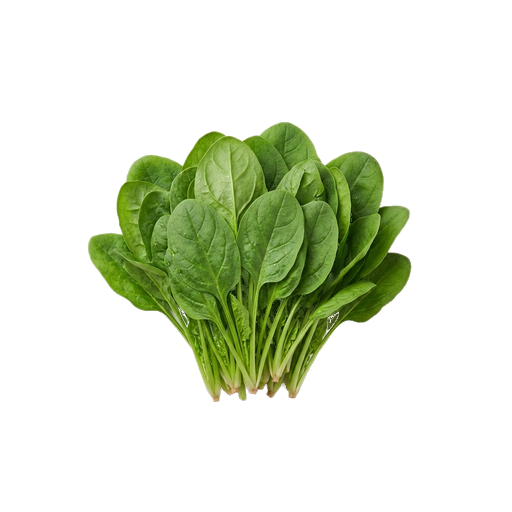
Baby spinach
Young spinach is distinguished by tender leaves with a mild, slightly sweet flavor and requires no pre-treatment before consumption. It is used in fresh salads, smoothies, soups, and as a garnish, as the leaves quickly reduce in volume when heated. When selecting, pay attention to a bright green color and leaf firmness, avoiding wilted and darkened specimens.
About
Young spinach is tender leaves harvested at an early stage of growth when the plant is still very soft and requires no pre-processing. Such spinach can be used straight from the package: there is no need to remove thick stems or wash it for a long time. This is the main convenience that made young spinach a favorite in home kitchens and restaurants.
Taste and Texture
Young spinach is much more tender than its mature counterpart. The leaves melt in your mouth without leaving coarse fibers. The taste is milder — it has less of that characteristic earthy bitterness that sometimes deters people from regular spinach. Instead, there is a subtle sweetness and freshness. When you bite into raw young spinach, you feel a crunch, but with heat treatment, the leaves become soft almost instantly.
Where to use
Young spinach is versatile. Raw, it's ideal for salads — you can mix it with any vegetables, fruits, cheese, and dressings. It doesn't require chopping and cooks quickly. In a pan, young spinach will soften literally in a minute, so it's added at the end of cooking to pasta, soups, omelets, and risotto. Thanks to its soft texture, spinach works well in smoothies — it blends easily and doesn't leave lumps.
Successful Pairings
- Cream cheese, goat cheese, parmesan — a classic trio for salads and hot dishes
- Garlic, lemon, olive oil — basic dressing for any spinach dish
- Mushrooms, especially button mushrooms and oyster mushrooms — ideal for sautéing together
- Eggs and cream — classic for omelets and creamy sauces
- Berries and fruits in salads — strawberries, blueberries, pears balance the earthy flavor
Selection and Storage
When purchasing, pay attention to the color of the leaves — they should be bright green, without yellow or brown spots. The packaging should not contain moisture or slime. Young spinach spoils quickly, so use it within 2–3 days after purchase. It is best stored in the lower compartment of the refrigerator, preferably in an airtight container or bag. If the leaves begin to wilt, they can be briefly soaked in cold water — they will revive a bit.
Young spinach freezes well. If you've bought more than you can use, you can quickly freeze the leaves on a tray and then transfer them to a bag. Frozen spinach is great for hot dishes, but is no longer suitable for salads.
Nutrition
per 100 g
- Calories
- 23 kcal
- Protein
- 2.9 g
- Fat
- 0.4 g
- Carbs
- 3.6 g
Measures and weight
- 1 tbsp
- 0.8 g
- 1 tsp
- 0.3 g
- 1 cup
- 12.5 g
Measure calculator
- Weight
- 100 g
- Calories
- 23 kcal