Usuba
Usuba
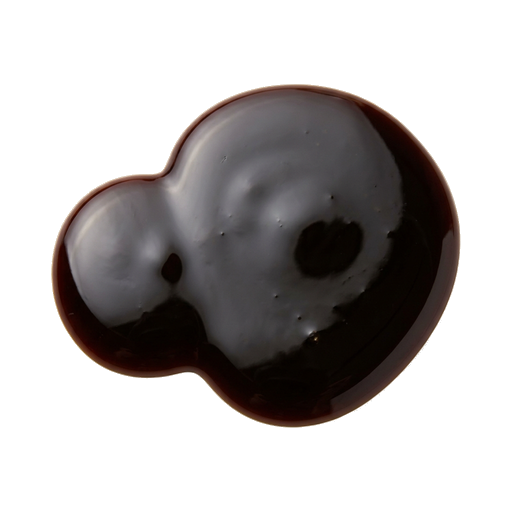
Balsamic Sauce
Balsamic glaze is a thick, glossy dark liquid with a rich sweet-and-sour flavor and a subtle bitterness. It is produced by reducing balsamic vinegar to a syrup-like consistency, which concentrates its flavor and makes it smoother and more harmonious. Used as a finishing touch for salads, meat, fish, vegetables, and desserts, it adds depth and elegance to dishes. When selecting, pay attention to the consistency — a quality glaze should drip slowly from a spoon rather than be runny.
About
Balsamic glaze is a thickened and reduced balsamic vinegar that has transformed from a sharp, acidic product into a sweet and sour glaze. When vinegar is simmered for a long time, it loses its sharpness and gains thickness, while its flavor becomes complex and refined. It is this transformation that makes it a universal helper in the kitchen.
Aroma and Taste
A good balsamic sauce smells of caramel, dried fruits, and a light tartness — this is the result of long reduction. The taste is sweet, but not cloying, rather well-balanced by the acidity. The consistency is viscous, almost like honey, so the sauce doesn't spread across the plate but holds its shape beautifully.
Role in dishes
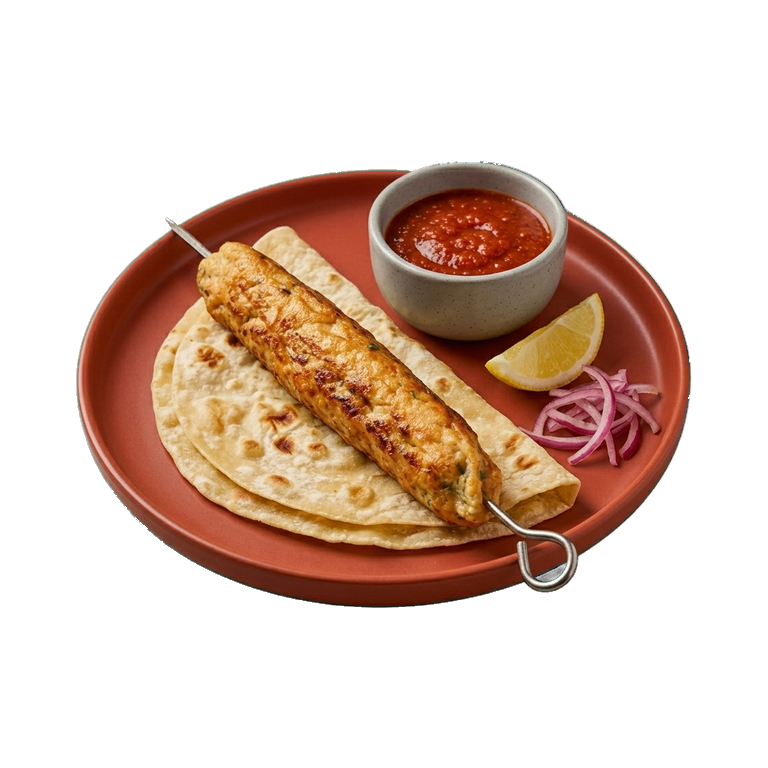
- Glazes meat and poultry before serving — just a thin line along the edge of the plate
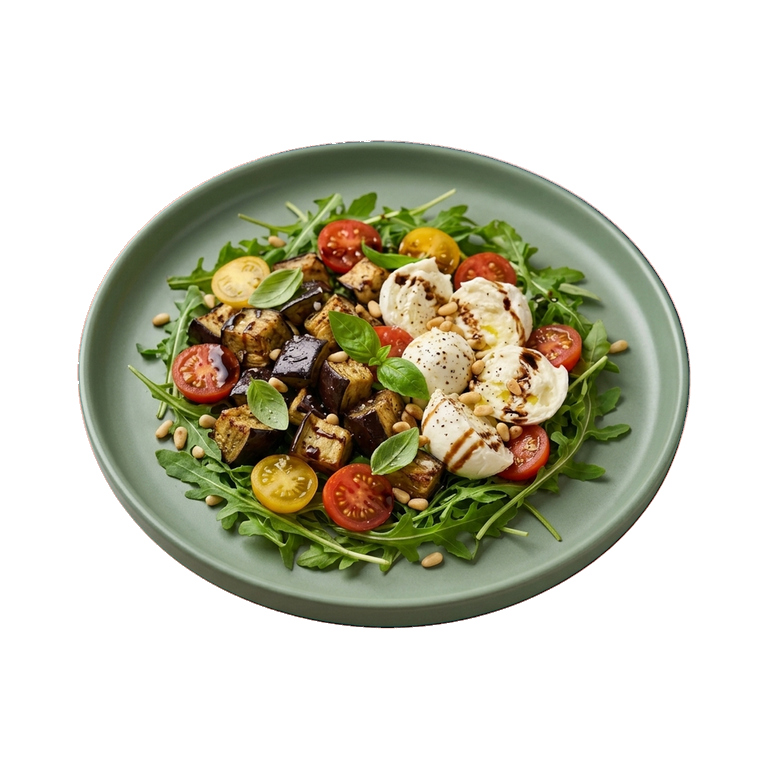
- Complements vegetable salads with cheese and herbs as a substitute for regular vinegar in dressing
- Highlights the sweetness of tomatoes and strawberries — try it on desserts with ice cream
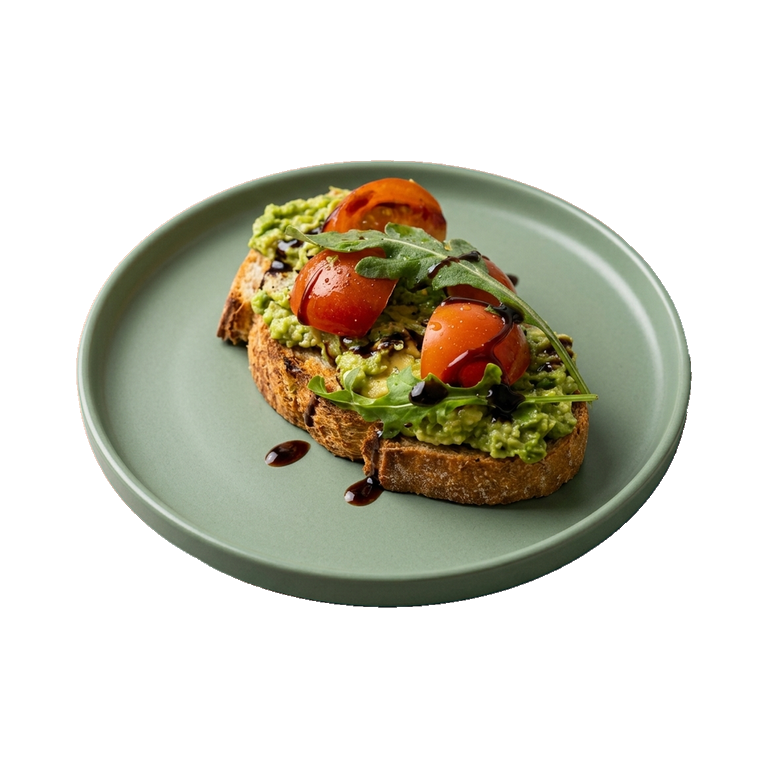
- Finishes the dish at the last moment: a drop on the plate creates a visual accent and flavor contrast
Successful Pairings
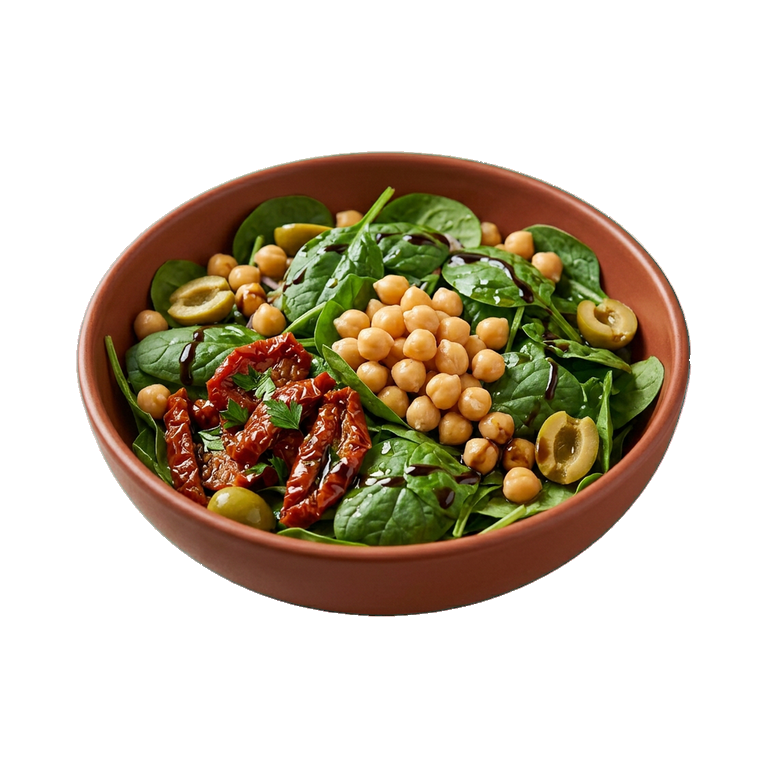
Balsamic sauce works well with peppery and earthy flavors: arugula, spinach, goat cheese, prosciutto. Its acidity refreshes fatty dishes — meat, avocado, olive oil. Try combining it with mushrooms, roasted beets, and caramelized onions: such combinations reveal the full depth of the sauce.
Selection and Storage
When choosing, look at the consistency: the sauce should be thick enough to hold its shape on a spoon. The color should be dark, almost black. Check the ingredients: it should contain only grapes (or grape juice) and vinegar, nothing else. Avoid overly liquid versions — they will disappoint on the plate.
- Store in a cool dark place — a kitchen cabinet is perfect
- After opening, keep the bottle tightly closed so the sauce doesn't evaporate or thicken excessively
- Shelf life — several years if conditions are met; acetic acid is a natural preservative
- If the sauce has thickened too much, gently warm it in a water bath or add a drop of balsamic vinegar
Main rule: balsamic sauce works as a final touch, not as the main component of the dish. A few drops on the edge of the plate will create a greater effect than generous streams. Use it sparingly, and every dish will look like it came from a restaurant.
Nutrition
per 100 ml
- Calories
- 149 kcal
- Protein
- 0.5 g
- Fat
- 0.1 g
- Carbs
- 35 g
Measures and weight
- 1 tbsp
- 18 g
- 1 tsp
- 6 g
- 1 cup
- 300 g
Measure calculator
- Weight
- 100 g
- Calories
- 124 kcal