Usuba
Usuba
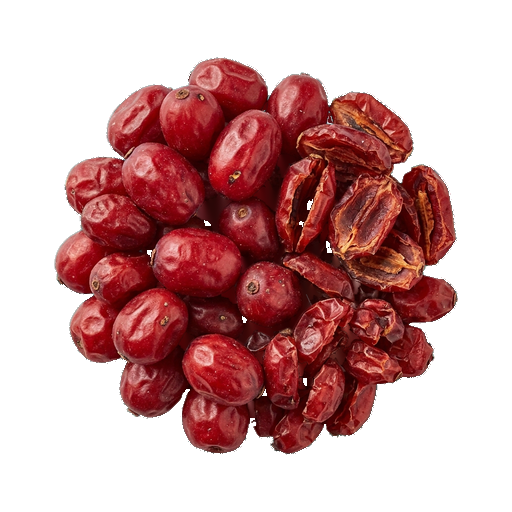
Barberry
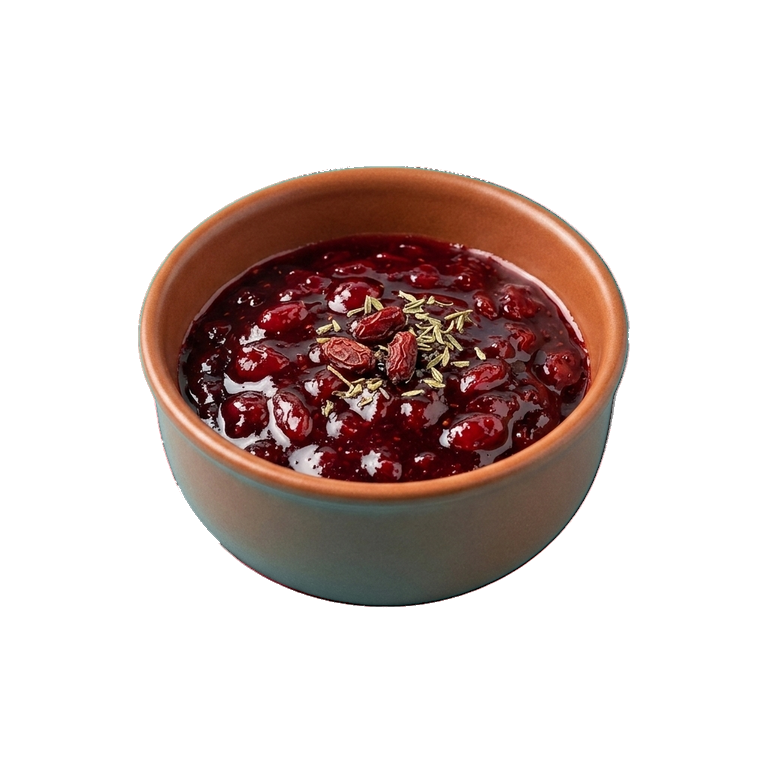
Barberry consists of dried berries from a shrub with a bright red color and pronounced acidity. They have a tart, slightly astringent taste with fruity notes and are often used in Persian, Central Asian, and Caucasian cuisine to add piquancy to pilaf, meat dishes, and rice side dishes. When selecting, look for whole berries without mold and off-odors; barberry can be substituted with lemon juice, dried cranberries, or pomegranate syrup, though each option will impart a slightly different flavor profile.
About
Barberry consists of dried berries from a thorny shrub that add a bright tartness and subtle bitterness to dishes. In cooking, barberry works as a seasoning: just a few berries can transform the flavor profile of pilaf, meat, or rice. Its acidity is milder than lemon but more pronounced than regular vinegar, making it ideal when you need a delicate sourness without harshness.
Aroma and Taste
Dried barberry has a dry, slightly floral aroma with a piquant acidity. In taste, these are tart berries with fruity notes — they have something between cranberry and pomegranate, but less sweet and more mineral. A slight bitterness appears in the aftertaste, but does not overpower; instead, it complements.
Role in dishes
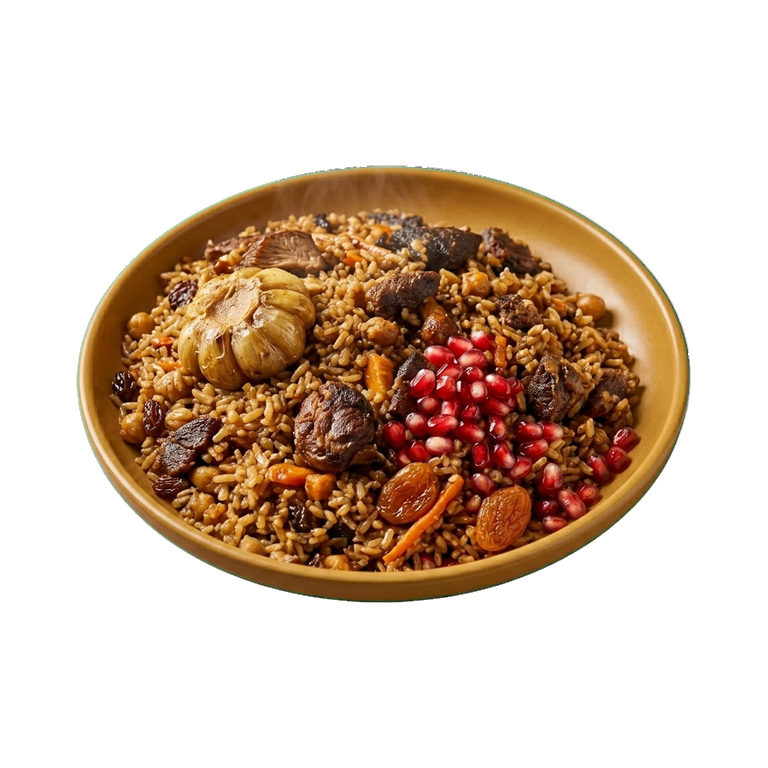
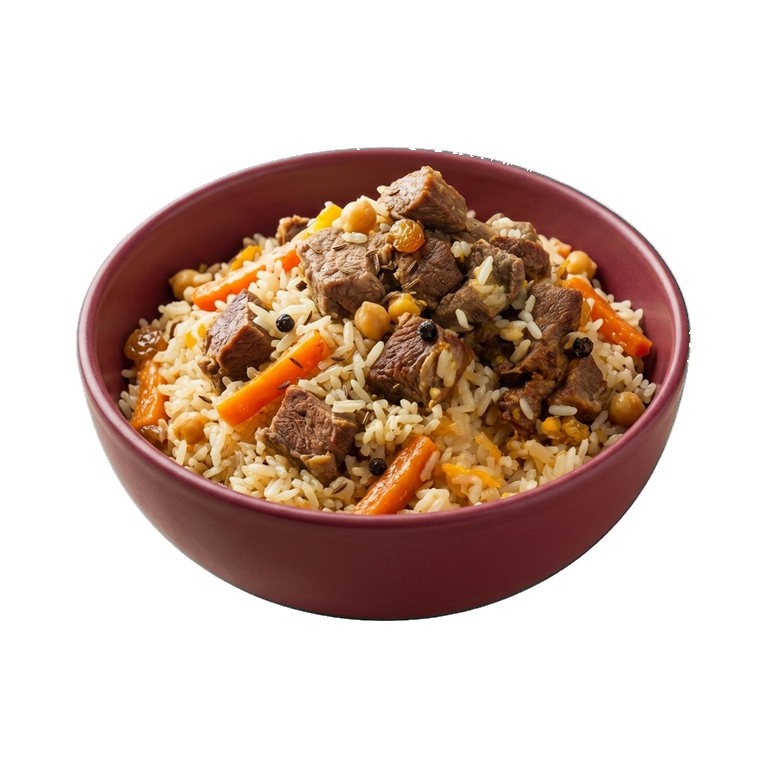
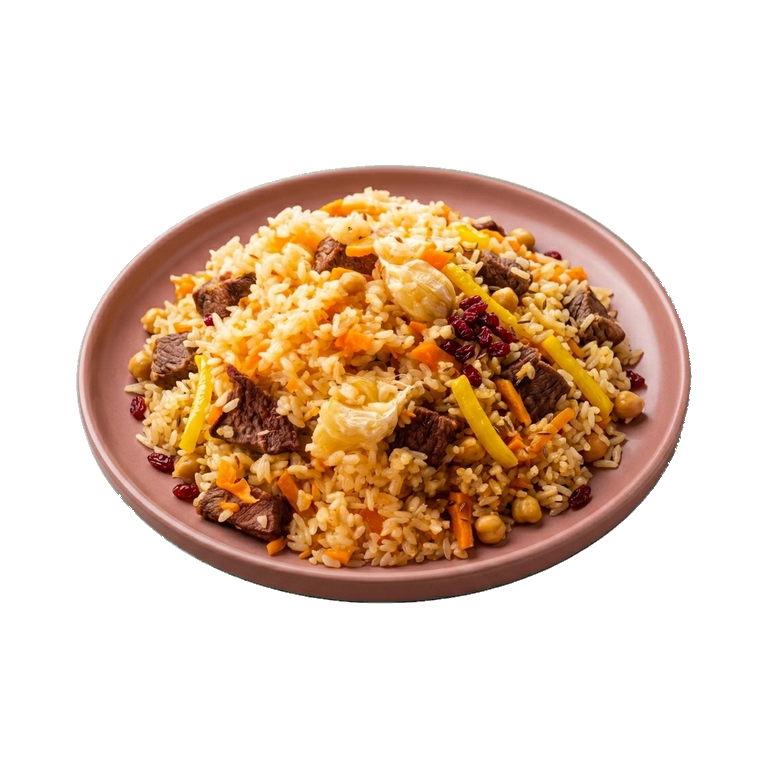
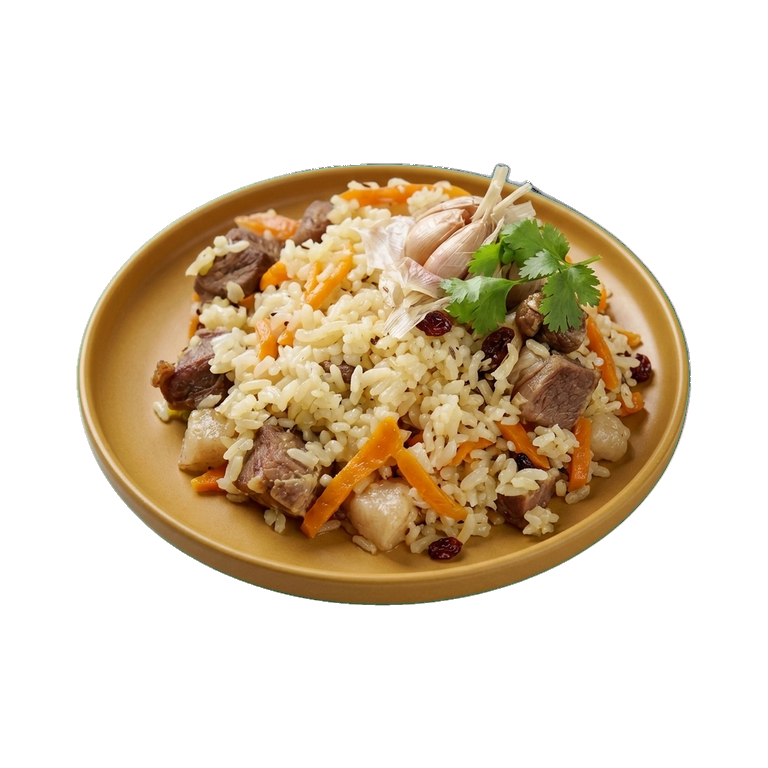
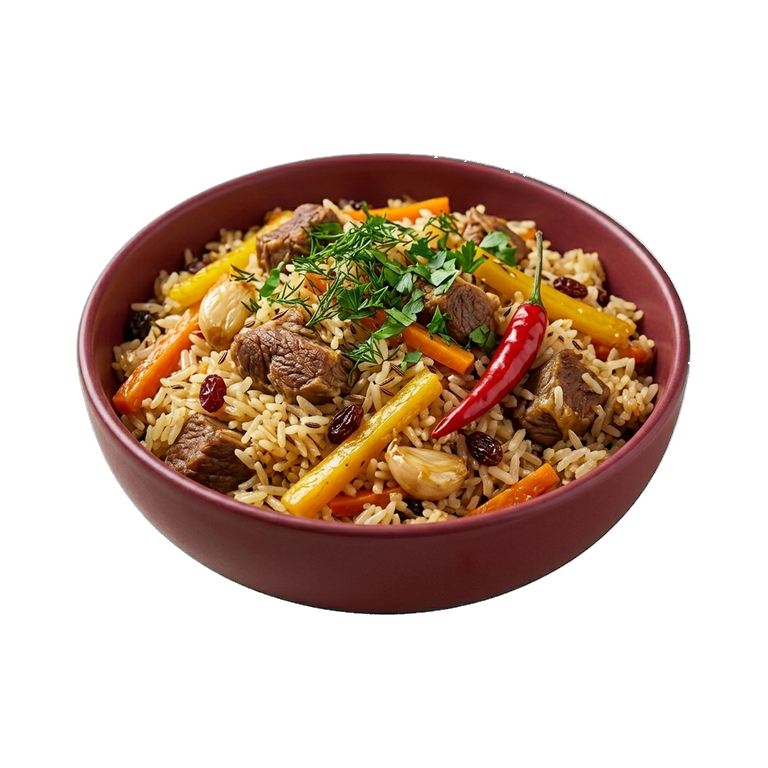
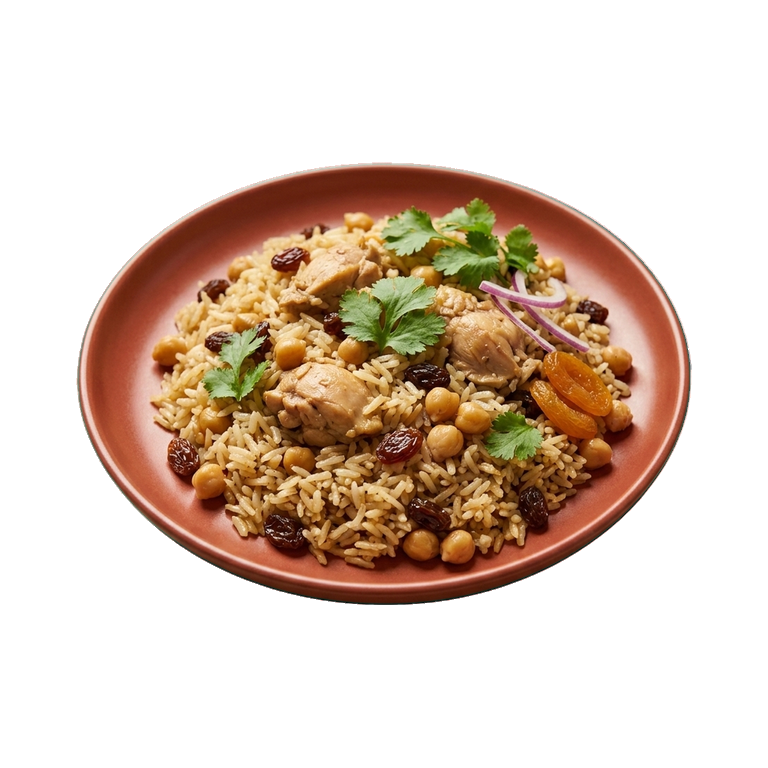
Barberry is an indispensable component of Central Asian cuisine. It is added to pilaf 5–10 minutes before it is ready so that the berries soften but do not fall apart. A pinch of barberry transforms rice, giving it a lively, slightly tangy flavor. It works well with meat dishes too — especially with chicken and lamb, where its acidity balances the richness.
Pairings
- With cumin and turmeric in pilaf — a classic trio that creates a deep, layered flavor
- With cinnamon and cloves in rice dishes — adds oriental spice
- With mint and coriander in meat marinades — enhances freshness
- With onion and carrot in stew — its acidity helps reveal vegetable aromas
Selection and Storage
When purchasing, pay attention to the color: good barberry has a rich red or burgundy hue. The berries should be whole, without dust and foreign impurities. Avoid too light barberry — this is a sign of loss of aroma and flavor.
Store barberry in an airtight container or glass jar in a cool, dark place. When stored properly, it retains its properties for up to a year. Moisture is the enemy: make sure the berries are completely dry before sealing. A small portion can be kept in a special spice shaker, but it should be used within 2–3 months.
Practical tip
If you don't have barberry on hand but need acidity in pilaf or rice, you can replace it with a mixture of dried cranberries and a pinch of salt. This won't match the flavor completely, but it will give a similar effect. However, it's better to keep barberry in stock — it lasts a long time and costs little.
Nutrition
per 100 g
- Calories
- 373 kcal
- Protein
- 1.5 g
- Fat
- 0.2 g
- Carbs
- 84.4 g
Measures and weight
- 1 tbsp
- 9.8 g
- 1 tsp
- 3.3 g
- 1 cup
- 162.5 g
- 1 pcs
- 0.2 g
Measure calculator
- Weight
- 100 g
- Calories
- 373 kcal