Usuba
Usuba
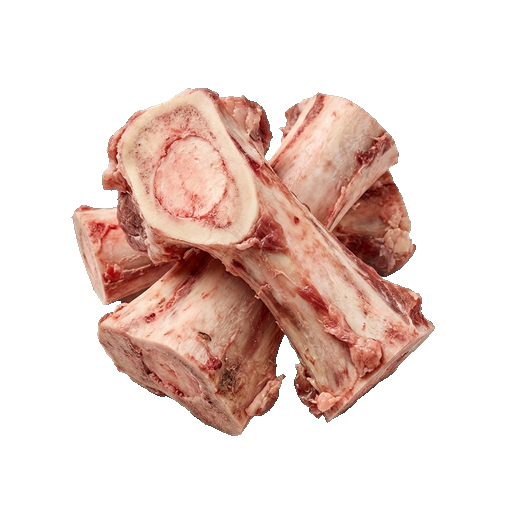
Beef bones
Beef bones are the foundation for rich broth, which serves as the base for soups, sauces, and many hot dishes. Bones with bone marrow and attached meat are best suited for this purpose: they provide maximum flavor and collagen during prolonged cooking. When selecting, pay attention to freshness, white or light pink color on the cut surface, and absence of odor; frozen bones store for a long time, but fresh ones cook slightly faster.
About
Beef bones are not waste, but a full-fledged ingredient that transforms an ordinary broth into a golden, aromatic and nutritious drink. They contain collagen, gelatin and minerals that are revealed only through long simmering. If you are preparing a serious broth, soup or sauce, bones are essential.
Which bones to choose and how to use them
The best choice is bones with bone marrow and meat remnants. Joint bones (elbows, knees) give maximum gelatin and make the broth thick and viscous. Rib bones are good for a lighter but aromatic result. Tubular bones with marrow are suitable if you want a rich, almost meaty flavor.
Before cooking, it's best to blanch the bones with boiling water or quickly roast them in the oven at high temperature — this will remove blood and surface impurities, making the broth clear. If you need a strong, rich broth, you can skip blanching the bones, but then you'll need to carefully skim the foam at the beginning of cooking.
Cooking time and result
Beef bones are simmered for a minimum of 4–6 hours, but preferably 8–12 hours on low heat. The longer they simmer, the more gelatin dissolves into the liquid, and the thicker the cooled broth becomes. This is not a quick process, but the result is worth it: a real homemade broth that can be used as a base for soups, sauces, gravies, or simply consumed as a healing drink.
During cooking, add an onion, carrot, celery, and bay leaf — they add depth and roundness to the flavor. Salt is best added at the end, when you can already see what concentration you'll get. The finished broth is stored in the refrigerator for up to 5 days or frozen for months.
Where to use
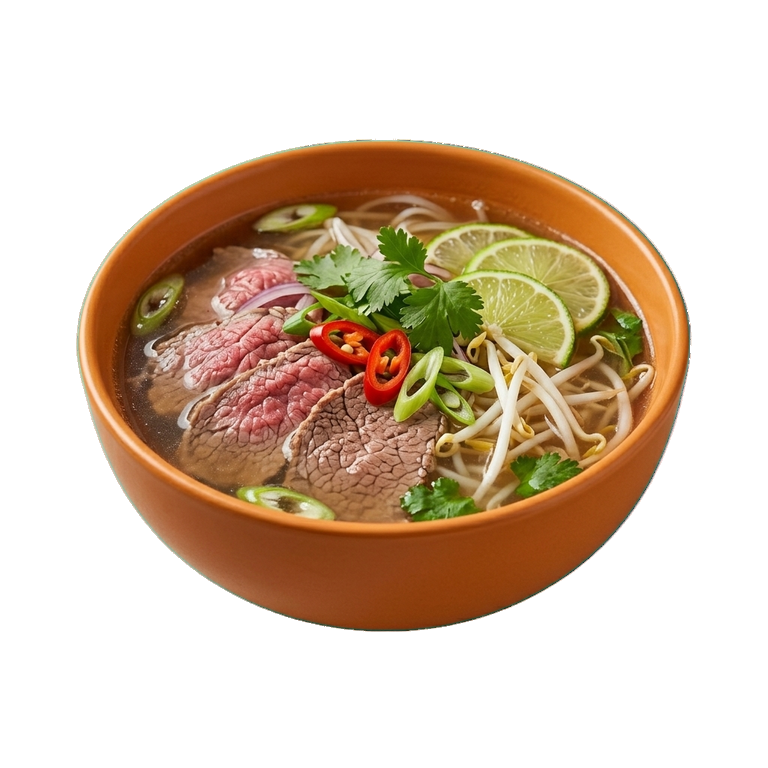
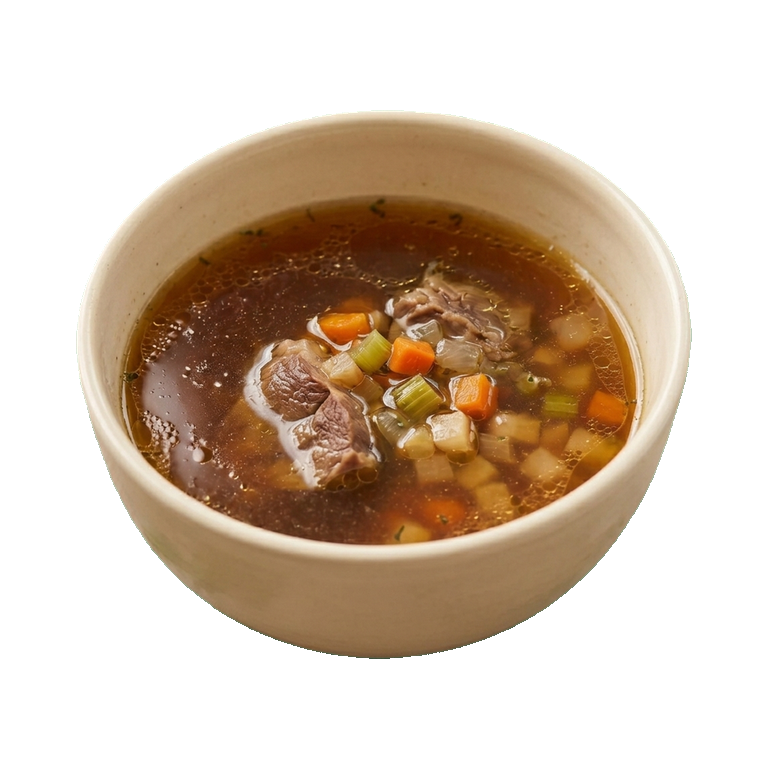
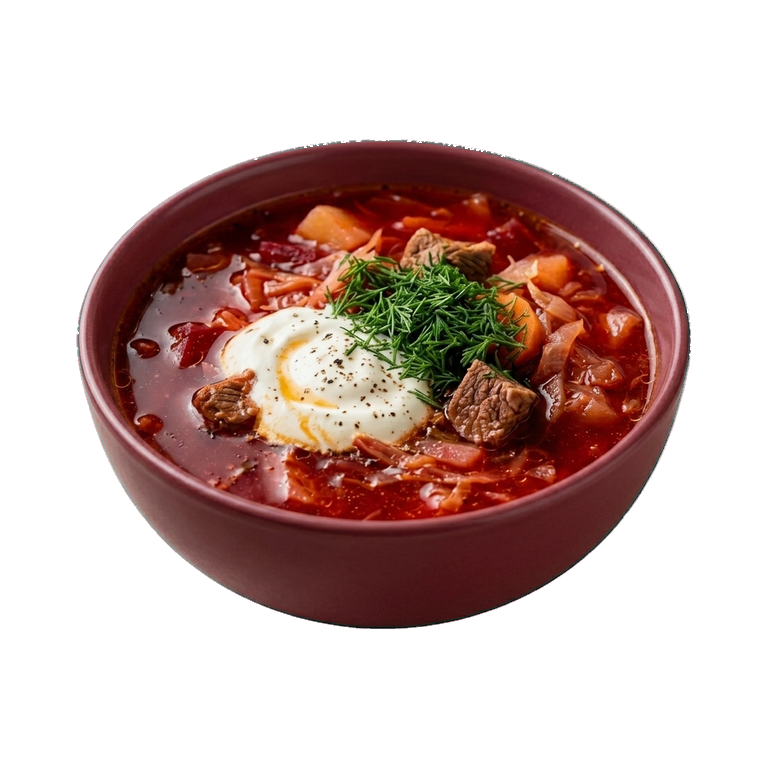
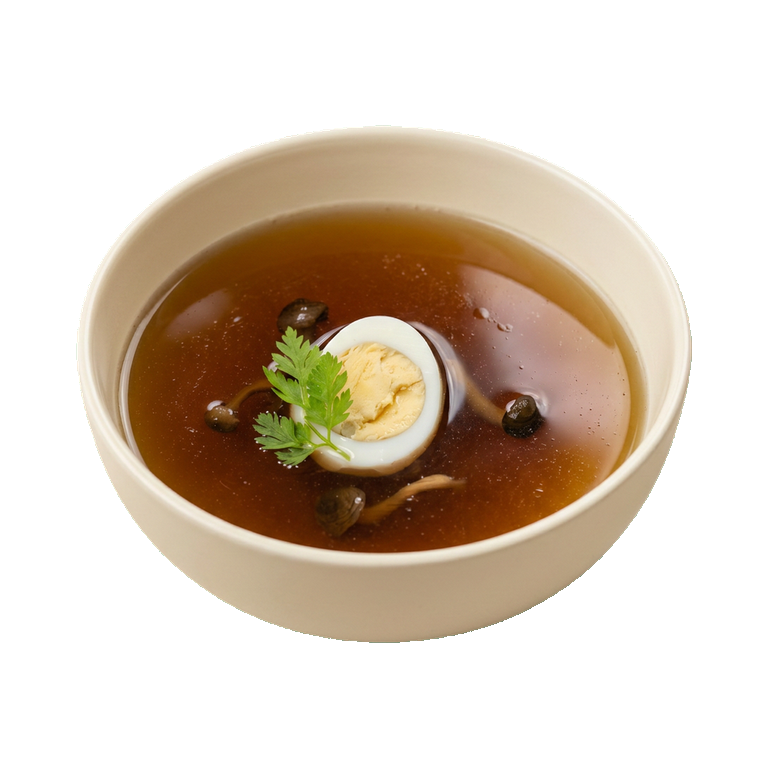
- Soup base — borscht, cabbage soup, solyanka, noodle soup
- Meat sauces and gravies for steaks and cutlets
- Risotto and pasta — instead of water or wine
- Aspic and meat jelly — bones give the desired gelatinous texture
- Stewed meat — broth makes it softer and more delicious
Beef bones require time and patience, but the reward is enormous. Once you try real homemade broth, you'll understand why professional chefs never neglect this ingredient.
Nutrition
per 100 g
- Calories
- 215 kcal
- Protein
- 17.5 g
- Fat
- 17 g
- Carbs
- 0 g
Measures and weight
- 1 pcs
- 150 g
Measure calculator
- Weight
- 100 g
- Calories
- 215 kcal