Usuba
Usuba
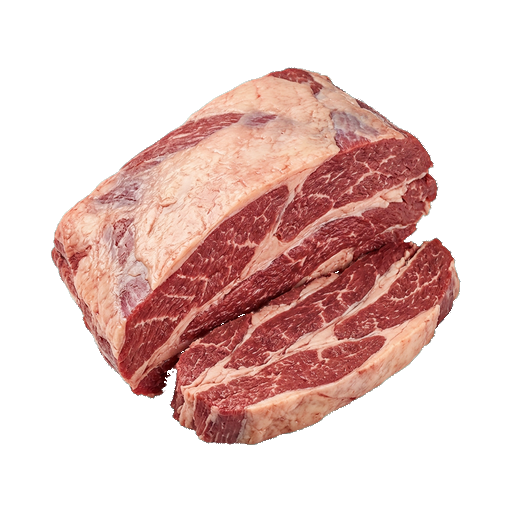
Beef brisket
Beef brisket is a sinewy cut of meat with layers of fat that requires long, slow cooking to become tender. It is used in stewed dishes, borscht, soups, and for boiling, where it imparts a rich flavor and creates a strong broth. When selecting, look for cuts with good fat marbling, and when substituting with other beef cuts, keep in mind that more tender cuts cook faster and don't provide such deep flavor.
About
Beef brisket is a cut of meat with layers of fat and connective tissue that, when properly prepared, becomes incredibly tender and juicy. It is this structure that makes brisket an ideal choice for long braising, smoking, and slow cooking. When the collagen in the fibers transforms into gelatin, the meat literally melts in your mouth, and the fat gives the dish a rich, deep flavor.
Taste and Texture
Brisket stands out for its rich beef flavor, which intensifies during prolonged cooking. Fat layers don't just tenderize the fibers—they create a velvety texture and enrich every bite. The meat absorbs the aromas of spices and sauces, making it universally suitable for both classic recipes and experimental variations. Remember: brisket requires time. Quick cooking will leave it tough, but 3–4 hours of braising or smoking will transform it into a delicacy.
Where to use
- Stewing in broth or sauce — a classic method that unlocks the full potential of meat
- Smoking — brisket becomes a tender appetizer with a smoky aroma
- Slow cooking in the oven at low temperature — the result is restaurant-quality
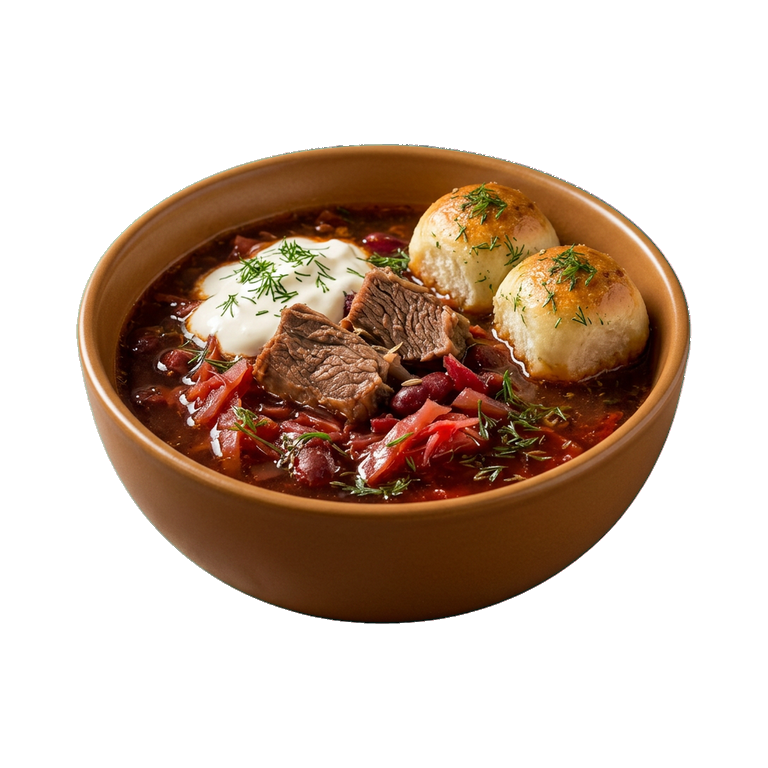
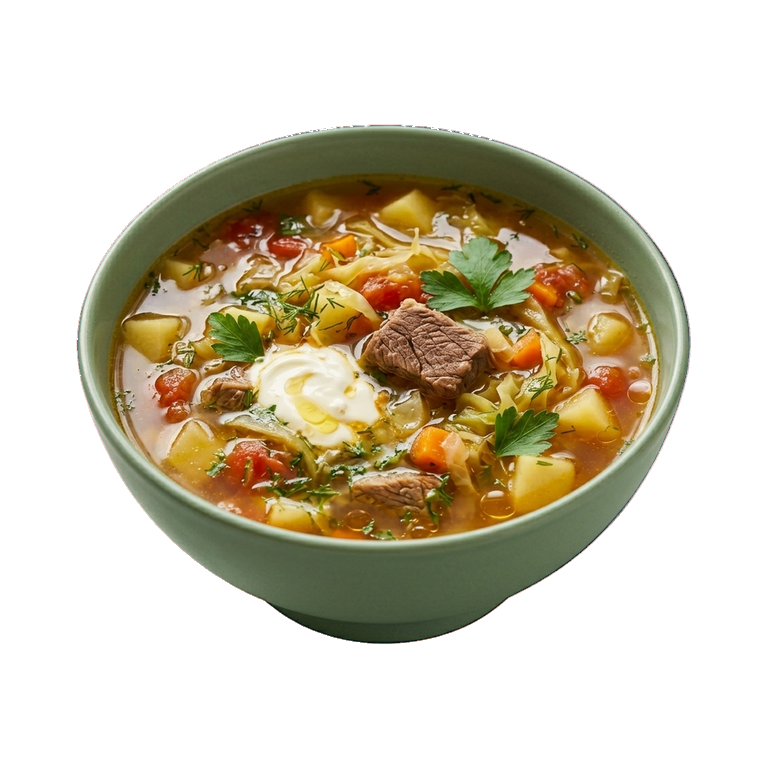
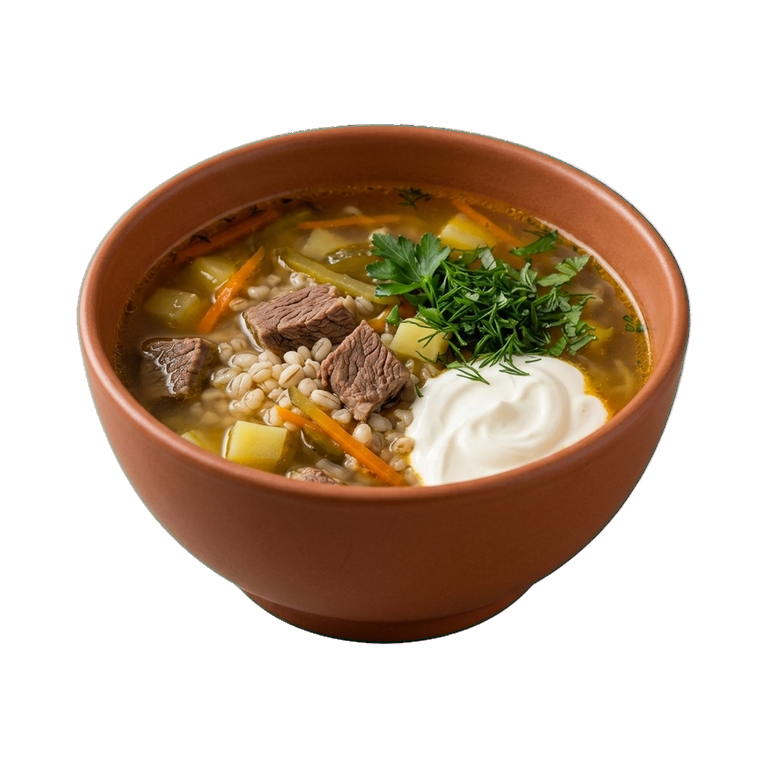
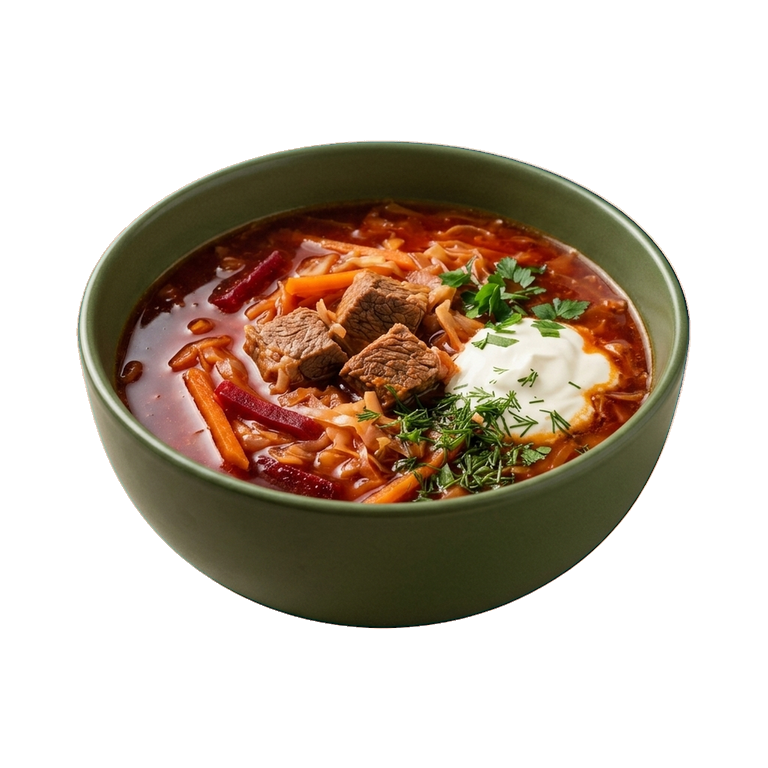
- Borscht, cabbage soup and other soups — meat gives all its flavor to the broth and becomes tender
- Pâtés and stews — after cooking, it easily shreds into fibers
How to Choose and Store
When shopping, look for cuts with even fat distribution — too lean meat will be dry, too fatty meat can be heavy. The color should be dark red, without gray spots. The surface should not be slippery or sticky. If you plan to cook in the coming days, store the brisket in the refrigerator on the lower shelf. For long-term storage, freeze the pieces in plastic wrap — they will maintain quality for up to three months.
Combinations with spices and vegetables
Brisket works well with herbs that cut through the richness: rosemary, thyme, bay leaf. Sharp spices — black pepper, paprika, cumin — emphasize the beef flavor. Vegetables (carrots, onions, celery) become part of the dish during stewing, absorbing the meat juices. Acidic components like tomato paste, vinegar, or wine help soften the fibers and balance the rich taste. Don't be afraid to experiment: brisket can handle both traditional Eastern European recipes and Asian marinades.
The main rule: brisket is not in a hurry. The longer it cooks, the better the result. It's almost impossible to overcook it — it will only become more tender.
Nutrition
per 100 g
- Calories
- 217 kcal
- Protein
- 18.9 g
- Fat
- 15.7 g
- Carbs
- 0 g
Measure calculator
- Weight
- 100 g
- Calories
- 217 kcal