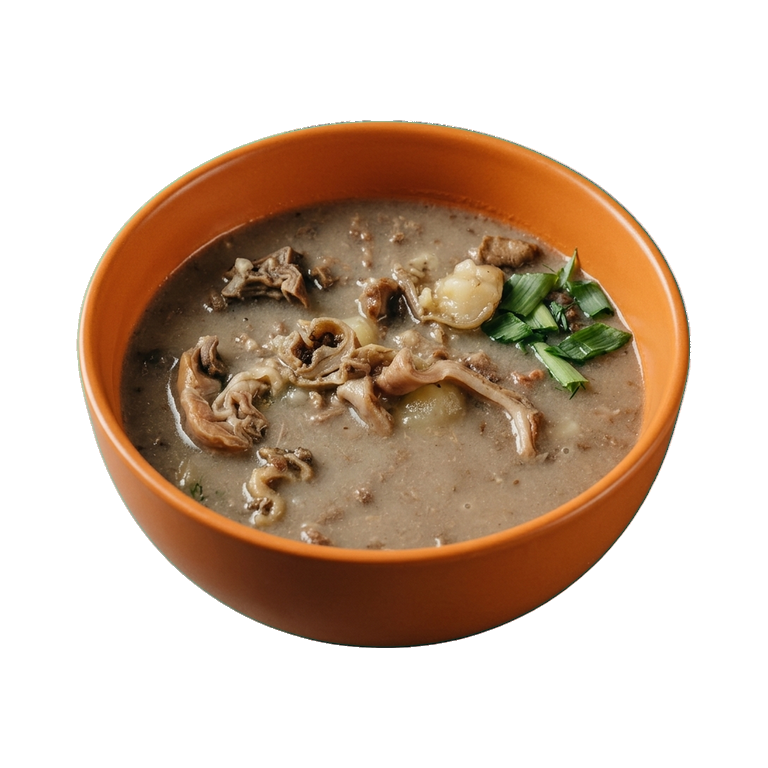
Usuba
Usuba
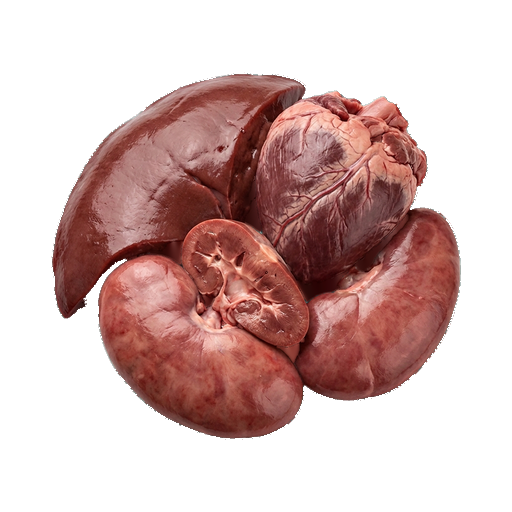
Beef offal
Beef offal refers to the internal organs of cattle, which include liver, kidneys, heart, tongue, and other variety meats. They have a rich, slightly iron-like flavor and require careful preparation: soaking and boiling to remove bitterness and distinctive odor. Offal is ideal for stews, pâtés, ground meat dishes, and traditional recipes, though each type of organ has its own cooking characteristics and texture — liver is more tender and cooks quickly, while kidneys require more prolonged processing.
About
Beef offal is a byproduct that often goes unnoticed, and unjustly so. Liver, kidneys, heart, tongue, and other internal organs of an animal contain an incredible amount of nutrients and, when properly processed, become the foundation of dishes that are worth cooking. This is neither exotic nor a necessity due to lack of funds — it is a conscious choice by a chef who knows how to make the most of the product.
Taste and aroma of each organ
Each offal has its own character. Liver is the most popular: it has a rich taste, slightly iron-like, and its soft texture allows for quick cooking. Kidneys have a specific smell, but after proper soaking and heat treatment they become a delicacy with a delicate flavor. Heart is denser, it requires longer cooking, but it holds its shape well and absorbs sauces nicely. Tongue is the softest and sweetest of all, almost universal in application.
The aroma of offal demands respect for ingredients. Spices, acidity, herbs — all of these are helpers, not enemies. Proper seasoning doesn't overpower the natural flavor, but reveals it, making it more interesting and accessible even for those trying such dishes for the first time.
Role in cuisine and pairings
Offal is the foundation for pâtés, stews, soups and sauces. Liver is used in forcemeats, classic pâtés, and is fried with onions and served as a standalone dish. Kidneys are braised in sour cream or red wine, heart is added to pilaf or prepared as skewers. Tongue is boiled, sliced and served cold with mustard or horseradish, or used in salads.
- Liver pairs well with onions, sour cream, tomatoes and herbs (parsley, thyme)
- Kidneys shine alongside red wine, mustard, juniper
- Heart goes well with vegetables (carrots, celery), broth and spices
- Tongue is versatile: it works equally well with spicy, sour and delicate sauces
Selection and Preparation
When buying, pay attention to color and smell. Fresh liver should be bright red or brown, but not dark or gray. The smell should be pleasant, meaty, without mustiness. Kidneys and heart should be firm, without slime. Tongue is often sold already cleaned, but check for any damage.
Before cooking offal, it needs to be prepared. Soak the liver in milk for an hour — this will soften the taste and eliminate excessive bitterness. Soak the kidneys in cold water for several hours, changing the water. Rinse the heart and tongue under running water, remove the films and blood vessels. It will take time, but the result is worth it.
Store offal in the refrigerator on the coldest shelf in an airtight container for no more than two days. If you plan to cook later — freeze it in the freezer. Thaw slowly in the refrigerator, not at room temperature.
Beef offal is not scary and not complicated. It's simply a different culinary language that's worth learning. Start with liver or tongue if they seem less exotic to you, then try the rest. Each organ meat will open new flavors and possibilities in your kitchen.
Nutrition
per 100 g
- Calories
- 100 kcal
- Protein
- 17 g
- Fat
- 3 g
- Carbs
- 0 g
Measure calculator
- Weight
- 100 g
- Calories
- 100 kcal