Usuba
Usuba
Beluga
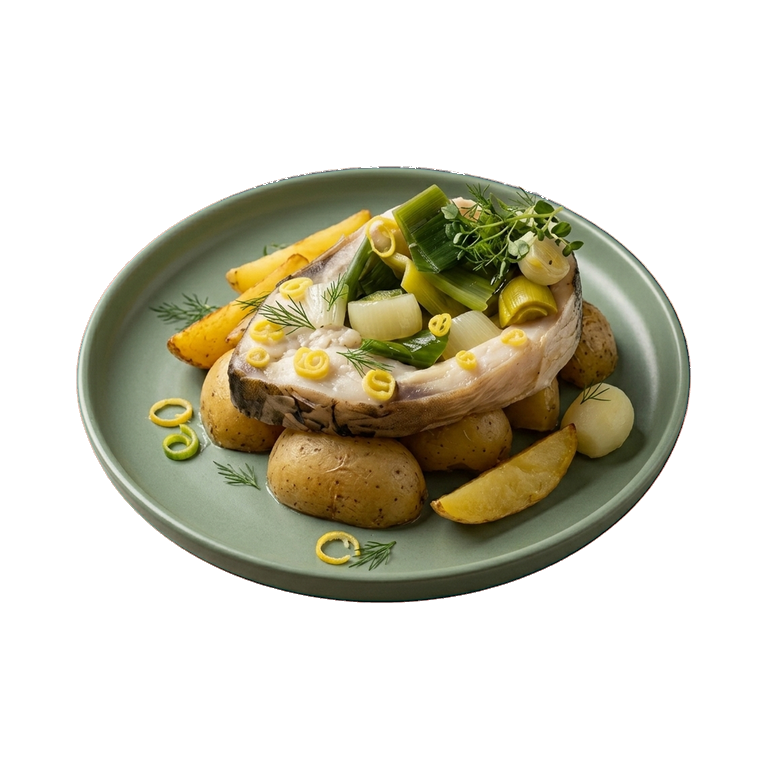
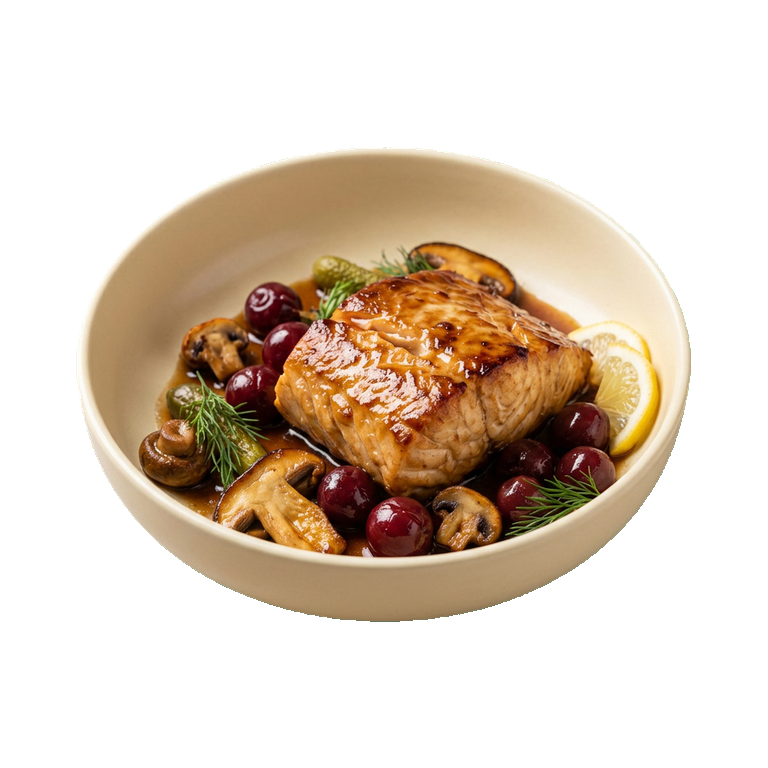
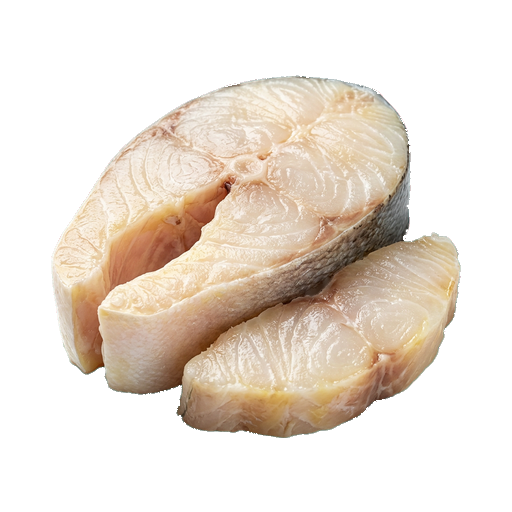
A large sturgeon fish with tender white meat and delicate flavor that becomes even more pronounced with proper heat treatment. Beluga contains plenty of fat, which makes its meat juicy and well-suited for baking, stewing, and smoking. When selecting, it is important to pay attention to freshness and smell — quality beluga should smell of the sea without any off-odors, and the meat should have a firm consistency.
About
What is beluga and why it is valued
Beluga is sturgeon caviar, one of the most expensive and prestigious in cooking. Its roe is larger than other sturgeon species and distinguished by a delicate consistency. The color varies from silvery-gray to almost black, depending on the fish's age and living conditions. The taste is delicate, slightly nutty, with a light seafood aftertaste — this very subtlety is what makes beluga so coveted at the table.
The main distinction of beluga caviar is its softness. The eggs easily burst on the tongue, releasing an oily juice that creates a sense of luxury with every bite. It is not sharp or fishy caviar, but rather neutral, allowing you to appreciate the product's own nobility.
How to use beluga in the kitchen
Beluga does not require complex culinary preparation — it is caviar to be enjoyed in its pure form. It is served chilled, usually on ice, with a thin slice of bread or unsalted crackers. Some prefer to eat it directly with a mother-of-pearl spoon to avoid disturbing the delicate structure of the caviar eggs.
- A standalone dish for a festive table
- Decoration for sushi and rolls — a small amount of caviar on top of the composition
- A garnish for oysters or seafood delicacies
- A finishing touch to smoked fish appetizers
Pairings and Beverages
Beluga pairs well with cold champagne, especially brut — the bubbles don't overpower the delicate flavor of the caviar; instead, they enhance it. Vodka chilled to minus 20 degrees is also a classic choice. Among non-alcoholic options, sparkling mineral water or still water, but very cold, work well.
Beluga caviar should not be mixed with spicy or strongly scented products on the table. It looks best accompanied by delicate creamy cheeses, thin slices of smoked fish, and fresh oysters. The main rule is that nothing should distract from the caviar itself.
Selection and Storage
When choosing beluga caviar, pay attention to the integrity of the eggs — they should be firm, uniform in size, and free from dents. The smell should be fresh, marine, without sharp or musty notes. High-quality caviar gleams and appears lively. Check the packaging date — freshness is critical for this delicacy.
- Store in the coldest part of the refrigerator, at a temperature between 0 and 4 degrees
- Use an opened jar within 3–4 days
- A closed jar, if stored properly, can be kept for several months
- Serve chilled, but not frozen
- Remove from the refrigerator 10–15 minutes before serving to allow the flavor to develop
Beluga is not an everyday product, but a celebration on a plate. It is valued for its rarity, for its delicacy, for the feeling of belonging to something exceptional. If you have decided to try it, do not rush — each caviar egg deserves attention.
Nutrition
per 100 g
- Calories
- 112 kcal
- Protein
- 20.2 g
- Fat
- 3.6 g
- Carbs
- 0 g
Measure calculator
- Weight
- 100 g
- Calories
- 112 kcal