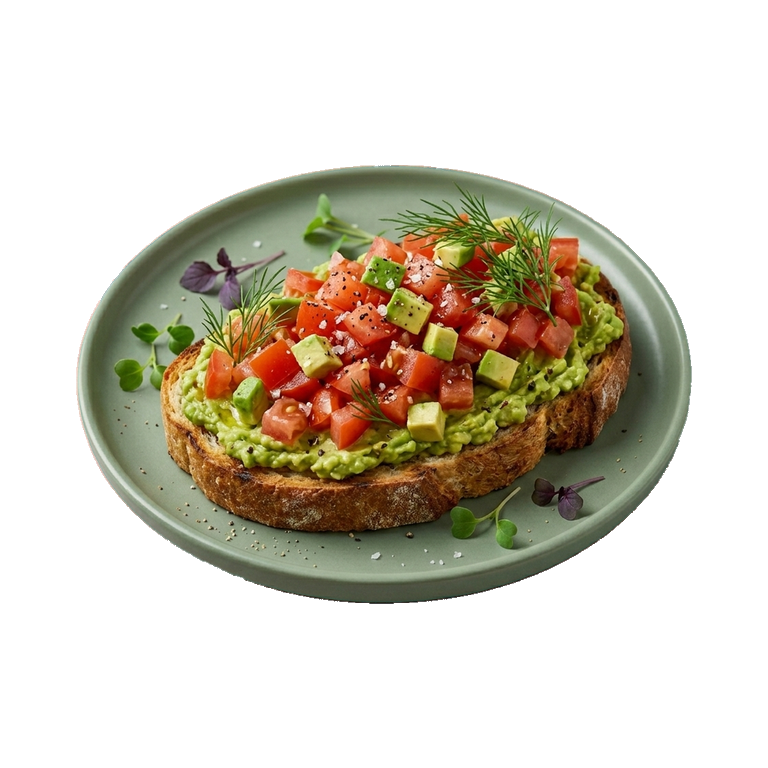
Usuba
Usuba
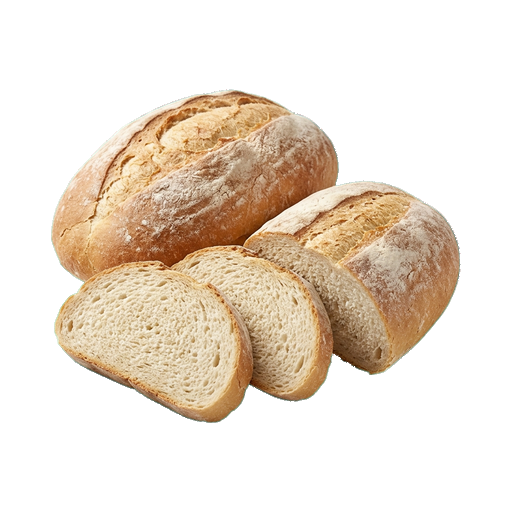
White unleavened bread
White yeast-free bread is made without yeast, so it has a denser structure and a neutral taste without the characteristic sourness. This bread rises due to chemical leavening agents, beaten eggs, or simply thanks to the proper dough consistency. It works well for sandwiches, pairs with light dishes, and is served with soups. It is also commonly used in dietary nutrition as it is digested more quickly by the body.
About
White yeast-free bread is a product made without using yeast or starter culture, relying on mechanical dough aeration instead. Such bread is often called unleavened or quick bread because its preparation time is reduced several times compared to traditional bread. Despite the absence of fermentation, it retains a soft texture and pleasant taste, although more neutral than sourdough bread.
Texture and taste
The crumb of such bread turns out denser than bread with yeast, with a finer and more uniform porosity. The crust often remains soft, as the bread cools quickly and does not have time to form a thick crispy layer. The taste is simple, slightly sweet, without the pronounced sourness and depth that yeast and prolonged fermentation provide. This makes the bread versatile — it does not overpower the taste of other ingredients in the dish.
Role in the Kitchen
- Base for sandwiches and appetizers — neutral taste allows you to focus on the filling
- Side dish for soups and stews — soft bread absorbs sauces well
- Component for breading and croutons — dense structure crumbles well
- Base for puddings and casseroles — cuts easily and absorbs liquid evenly
- Breakfast bread with butter, jam or cheese — simple and quick option
Selection and Storage
When choosing, pay attention to the uniform color of the surface — it should be light, without dark spots or burnt areas. The bread should be soft to the touch, but not sticky. Press with your finger — good bread quickly restores its shape. Avoid bread with cracks and deformations, which indicate a violation of the baking process or improper storage.
Yeast-free bread goes stale faster than sourdough bread. Store it in a cloth bag or paper bag at room temperature for no more than two days. In a plastic bag, bread will quickly become moist. If you need to keep it longer, freeze the sliced bread in the freezer for up to a month. Defrost at room temperature or directly in a toaster — this way the bread stays soft inside and slightly crispy on the outside.
Practical Tips
- Stale bread is easy to revive — wrap it in a damp towel for a few minutes, then warm it in the oven at 180°C for 5–7 minutes
- For breading, cut the bread into cubes, dry it in the oven at low temperature, and crumble it into breadcrumbs
- Thin slices work well for open sandwiches — they won't fall apart under the weight of the filling
- Use bread on the day of purchase or the next day — this keeps it as soft and aromatic as possible
White yeast-free bread is not a replacement for traditional bread, but a separate product with its own purpose. It is valued for its quick preparation, predictable texture, and versatility in cooking.
Nutrition
per 100 g
- Calories
- 260 kcal
- Protein
- 8 g
- Fat
- 1.5 g
- Carbs
- 50 g
Measures and weight
- 1 slice
- 25 g
Measure calculator
- Weight
- 100 g
- Calories
- 260 kcal