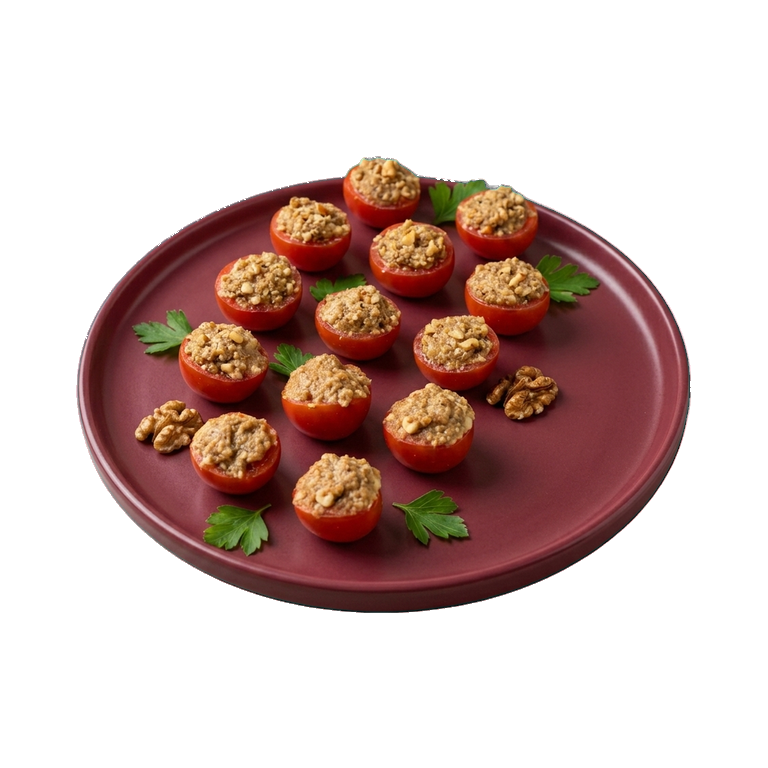
Usuba
Usuba
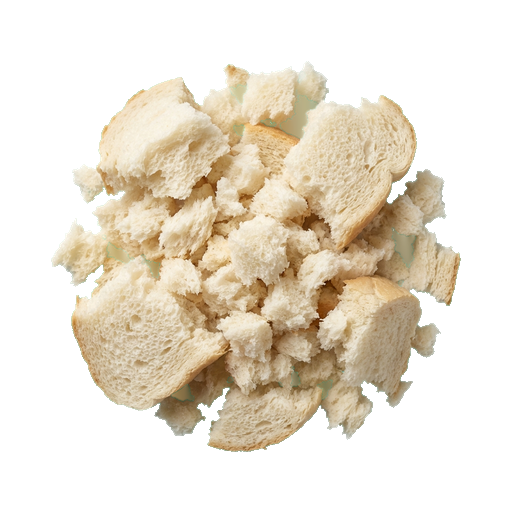
White bread crumb
The soft, porous part of white bread that easily absorbs liquids and binds ingredients in forcemeats, cutlets, and casseroles. It has a neutral taste and is used as a thickener in soups, sauces, and pâtés, as well as for breading. When selecting, it is important to ensure that the crumb is fresh and not moldy, and before use it is often soaked in milk or broth to achieve the desired consistency.
About
White bread crumb is one of the most versatile ingredients in the kitchen, often overshadowed by more prominent components. However, it is not merely a leftover from sliced bread, but a full-fledged product with its own role in dozens of dishes. Bread crumb absorbs moisture, binds ingredients together, adds tenderness to texture, and helps save on main components without compromising the quality of the finished dish.
Where crumb is irreplaceable
- Fillings for cutlets, meatballs and small meatballs — breadcrumbs soften the meat and make it juicier
- Pâtés and liver dishes — binds the mixture and creates a uniform consistency
- Casseroles and soufflés — adds airiness and retains moisture
- Breading — soaked breadcrumbs become the perfect base for a crispy crust
- Sweet puddings and cottage cheese dishes — works as a thickener and structure-former
How to Work with Crumb
The key to success is proper preparation. Cut off the crust, dice the crumb into cubes, and soak it in milk, water, or broth for several minutes until it softens. The amount of liquid depends on the desired consistency: for a dense filling, 2–3 tablespoons per 100 grams of crumb will suffice, for a tender casserole — use more. Gently squeeze out the soaked bread before adding it to the main mixture, but do not wring it out completely — the remaining moisture is needed for binding.
- Use yesterday's bread — it absorbs liquid better than fresh bread
- For a more pronounced flavor, soak the crumb in milk or broth instead of water
- If you need breading, dry the crumb in the oven and grate it on a coarse grater
- White crumb is neutral — it doesn't overpower the taste of other ingredients, but complements them
Selection and Storage
The crumb can be sliced and frozen for later use — it will keep in the freezer for a month without loss of quality. If needed, thaw at room temperature or add directly to the dish. Fresh crumb is stored in a bread box or paper bag for several days, but keep in mind that it will stale over time — this is actually convenient, as stale bread absorbs liquid better when soaking.
Nutrition
per 100 g
- Calories
- 265 kcal
- Protein
- 8 g
- Fat
- 3 g
- Carbs
- 50 g
Measures and weight
- 1 slice
- 25 g
Measure calculator
- Weight
- 100 g
- Calories
- 265 kcal