Usuba
Usuba
Gluten-free flour
Gluten-free flour is made from grains, seeds, and other plant-based sources that do not contain the gluten protein, and is intended for people with intolerance or who wish to avoid this substance. In baking, this flour behaves differently than wheat flour: the dough becomes more fragile and requires the addition of binding components such as starch, xanthan gum, or eggs to achieve the desired structure. When choosing, it is important to pay attention to the composition of the blend, as different manufacturers combine ingredients in their own way, which affects the taste and consistency of the finished dish.
About
Gluten-free flour is not just an alternative to wheat flour for people with gluten intolerance. It is a full-fledged ingredient that opens up new possibilities in baking and cooking. It is used not only by those who need to avoid gluten, but also by chefs who are looking for interesting textures and flavor notes in their dishes.
What is it made of
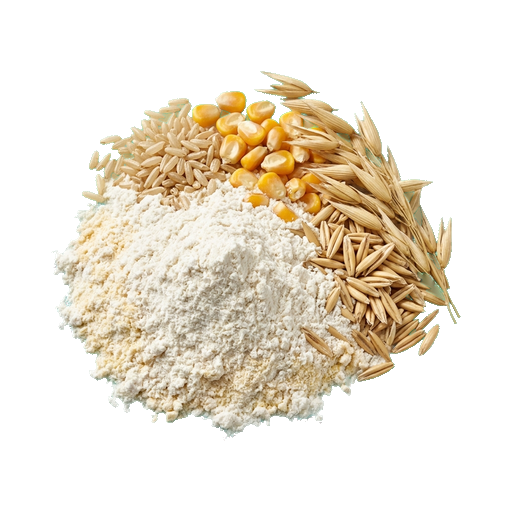
Gluten-free flour rarely consists of a single component. Most often it is a mixture of several types of flour: rice, corn, potato, buckwheat, or flour made from nuts and seeds. Manufacturers select the proportions so that the result is as close as possible to the properties of regular wheat flour — in terms of viscosity, moisture absorption, and the structure of the finished product.
- Rice flour — the basis of many blends, neutral in taste
- Corn flour — adds lightness and yellow tint
- Potato starch — improves moisture in baked goods
- Buckwheat flour — gives earthy aroma and dark color
- Almond or coconut flour — add nutrition and flavor
How to work with it in the kitchen
The main difference in working with it is that gluten-free flour behaves differently in dough. It absorbs more liquid and is less elastic, so the dough turns out more crumbly and fragile. This requires some adjustments to recipes: usually you need to increase the amount of liquid by 10–15%, add a binding ingredient (egg, xanthan gum, or starch), and let the dough rest before baking.
Where to use it
- Cookies and gingerbreads — turn out well due to dense structure
- Cupcakes and muffins — become more moist and tender
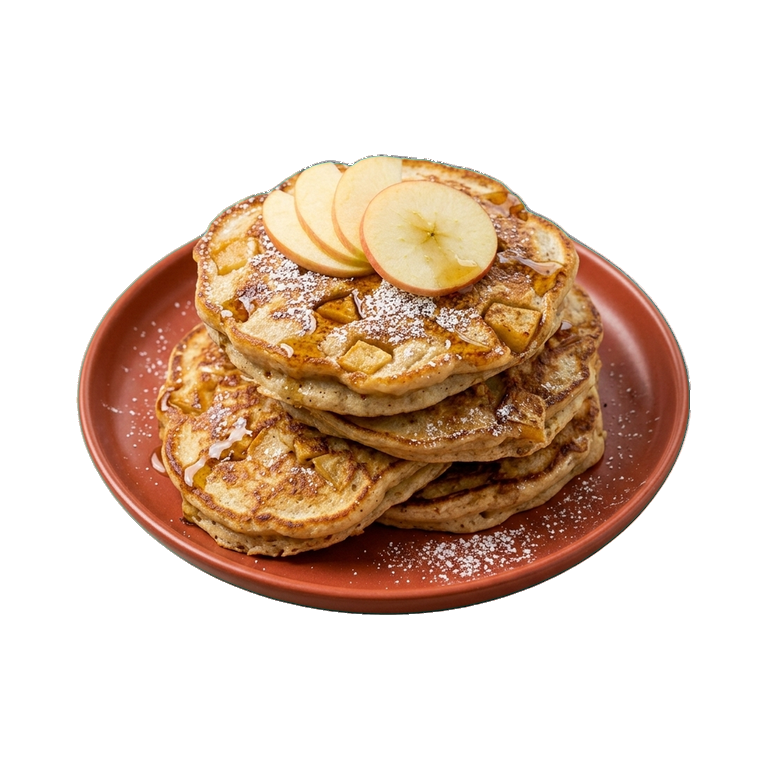
- Pancakes and fritters — flour makes them more crumbly
- Bread — requires special approach and often turns out denser
- Breading and sauces — works the same as regular flour
Taste and Aroma
The flavor profile depends on the composition of the mixture. Rice-based flour is almost neutral and does not add pronounced notes. If the mixture contains buckwheat or nuts, the dish acquires a slight nutty or slightly bitter undertone. This should be taken into account when choosing flour for a specific recipe — a neutral mixture is suitable for delicate sponge cake, while for cookies you can choose a variety with a more pronounced flavor.
Selection and Storage
When purchasing, pay attention to the mixture composition — the more starch it contains, the more brittle the result will be. Good blends contain balancing ingredients like xanthan gum or psyllium. Check the expiration date: gluten-free flour spoils faster than regular flour due to the high fat content in some components.
- Store in an airtight container in a cool, dry place
- Flour keeps fresher longer in the refrigerator
- Allow flour to come to room temperature before use
- Do not mix new flour with old flour — different batches may have different moisture content
Gluten-free flour requires a bit more attention and experimentation than regular flour, but the results are worth it. Over time, you'll understand which blends work best for your favorite recipes, and you'll be able to achieve baked goods that are just as good as traditional ones.
Nutrition
per 100 g
- Calories
- 350 kcal
- Protein
- 5 g
- Fat
- 2 g
- Carbs
- 75 g
Measures and weight
- 1 tbsp
- 9 g
- 1 tsp
- 3 g
- 1 cup
- 150 g
Measure calculator
- Weight
- 100 g
- Calories
- 350 kcal