Usuba
Usuba
Black currant leaves
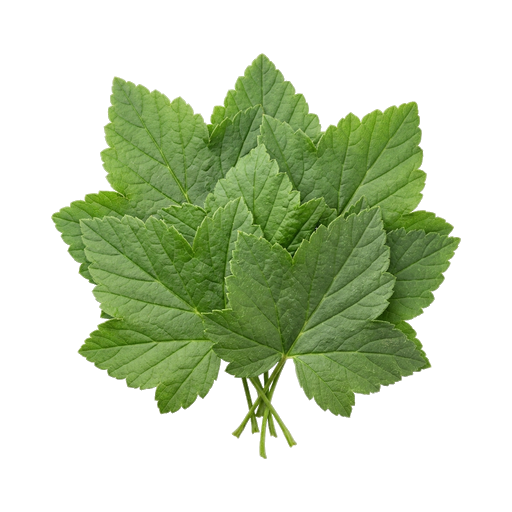
Black currant leaves have a tart, slightly astringent flavor with aromatic notes reminiscent of the berry bush itself. They are used for brewing teas, infusions, and compotes, as well as added during canning and pickling thanks to their tannins, which help preserve the firmness of vegetables. When selecting, prefer young leaves with a bright aroma — they contain more beneficial compounds and impart a more intense flavor to the finished beverage.
About
Black currant leaves are not just waste from berry harvesting, but a full-fledged ingredient that has long deserved a place in the kitchen. They possess a tart, slightly astringent taste with a bright herbal aroma and a subtle bitterness. When you brew such a leaf, you get a drink that invigorates just as well as tea, but at the same time is completely different — more vibrant and fresh.
Aroma and Taste
The scent of black currant leaves is one of the most recognizable in the world of herbal beverages. It's not a sweet berry aroma, but something more complex: a blend of fresh greens, subtle spice, and barely perceptible minerality. When brewed, the aroma becomes softer but remains bright and invigorating. The taste begins with astringency that coats the tongue, then unfolds into a light bitterness and herbaceous notes.
If you brew the leaves with hot water for just two to three minutes, you'll get a more delicate and refreshing beverage. If you steep it longer — five to seven minutes — the taste becomes more pronounced, astringent, almost like light tea without caffeine. This quality makes the leaves a versatile ingredient for different occasions: in the morning — for an energy boost, in the evening — for relaxation.
Role in dishes and drinks
The primary use of black currant leaves is, of course, tea. You can brew them on their own or add them to black tea to give it a more interesting, herbaceous profile. But the possibilities don't end there.
- Compotes and fruit drinks — leaves are added to hot beverages together with berries or fruits, enriching the flavor profile
- Cold infusions — in summer, leaves can be steeped in cold water for several hours, resulting in a refreshing drink without hot processing
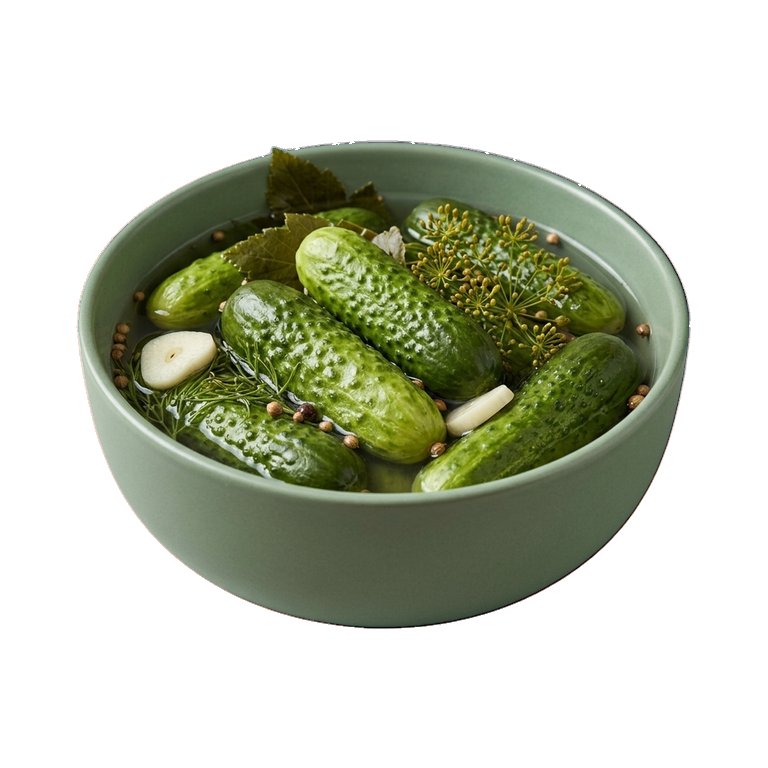
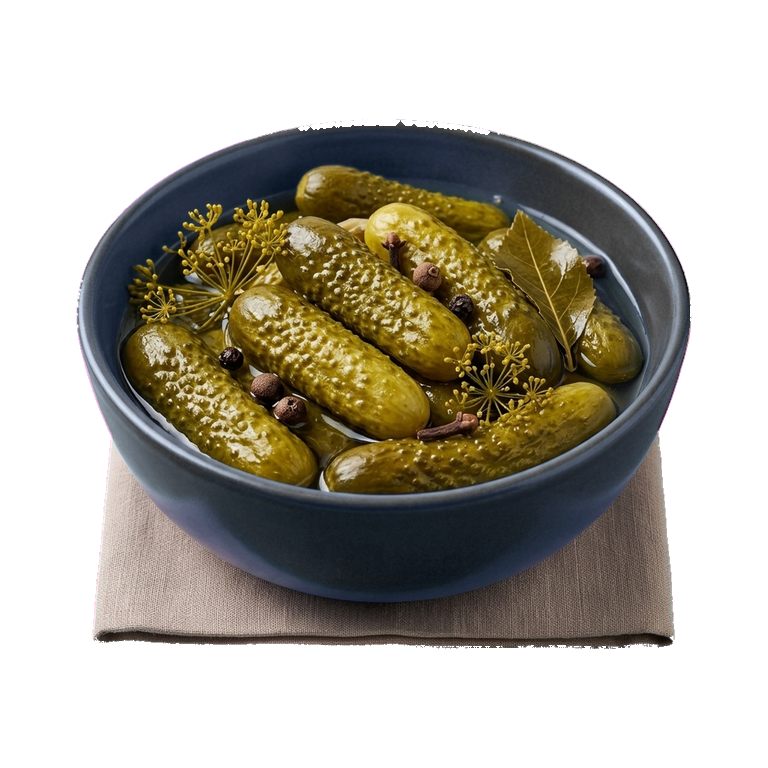
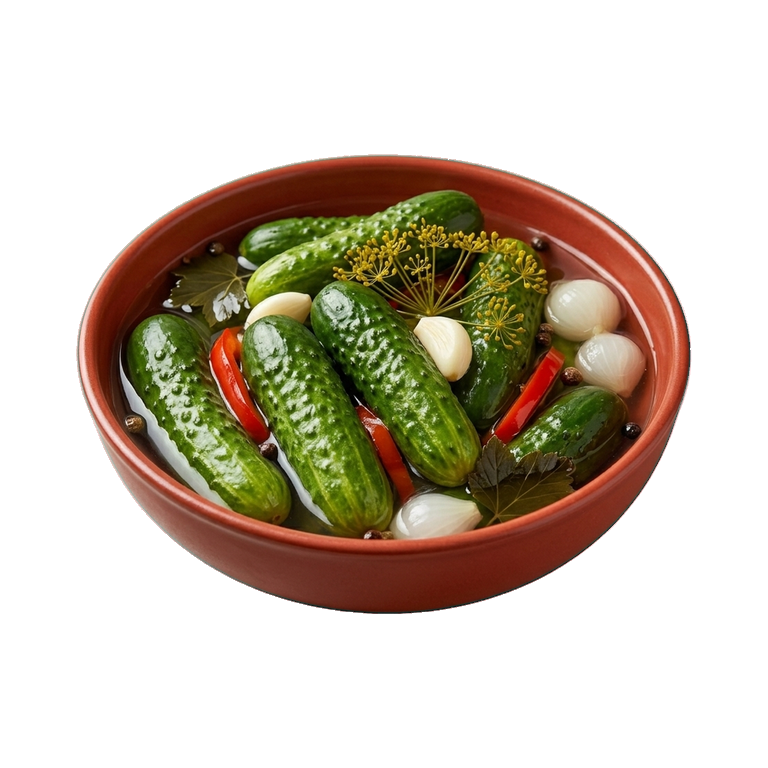
- Marinades and brines — the tartness of leaves is excellent for preserving vegetables, adding depth and helping maintain crispness
- Tinctures and liqueurs — leaves are steeped in alcohol to create an aromatic beverage with herbal character
Combinations with other ingredients
Black currant leaves work well in combination with other herbs. Mint highlights their freshness, lemon balm adds softness, and St. John's wort enhances the herbal profile. With berries — raspberries, strawberries, blueberries — the leaves create harmonious blends where each component remains recognizable.
In marinades, the leaves pair well with garlic, bay leaf, and black pepper. With black tea, they create a more complex, multi-layered beverage than each of them individually. Even with ginger and lemon, currant leaves find common ground, creating a toning, warming drink.
Selection and Storage
It is best to collect or purchase leaves in early to mid-summer, when they are young and aromatic. Fresh leaves should be bright green, without brown spots or signs of wilting. If you are harvesting yourself, pick leaves from the tops of shoots — they are more tender and fragrant.
It is best to dry leaves in the shade, spreading them in a thin layer on fabric or paper. In the sun, they lose some of their aroma. Well-dried leaves should crumble easily in your hands. Store them in an airtight glass jar or in a paper bag in a cool, dry place — this way they will retain their aroma and beneficial properties for up to a year.
Black currant leaves are an investment in the diversity of your kitchen. One package can transform a dozen different dishes and beverages, giving them character and depth.
Nutrition
per 100 g
- Calories
- 44 kcal
- Protein
- 1.5 g
- Fat
- 0.3 g
- Carbs
- 7.3 g
Measures and weight
- 1 pcs
- 0.5 g
- 1 bunch
- 50 g
- 1 sprig
- 5 g
Measure calculator
- Weight
- 100 g
- Calories
- 44 kcal